How Cold War Propaganda Shaped Contemporary Global Politics
The Cold War, a chapter of history often wrapped in tales of espionage and ideological battles, did more than just define an era—it cemented patterns and perceptions that continue to influence today’s global politics. The seeds planted during those tumultuous years have blossomed into a complex web of narratives and strategies, still evident in the strategies of nations and the undercurrents of international relations. But how exactly did the rhetoric and propaganda from that time sculpt our modern world? Let’s unravel some of those threads.
The Art of Influence
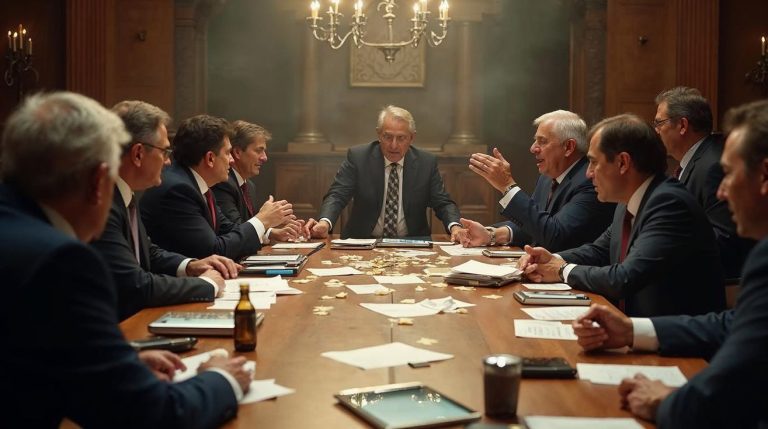
During the Cold War, every nation had an image to project and a reputation to uphold. The United States and the Soviet Union, at the center of this global duel, engaged in a fierce battle not just for military supremacy but for the hearts and minds of people across the globe. It was a contest where ideas were weapons and the truth was often the first casualty. Through movies, literature, and even comic books, these superpowers painted each other in ways that reinforced their own ideologies. The propaganda was sometimes subtle, sometimes glaring, but always strategic—a dance of shadows and light that has left its mark on current global politics.
According to a detailed report by CIA historians, this approach was not merely about spreading ideology. It meant painting your rival as the villain while subtly presenting yourself as the bastion of freedom or equality. Countries today still employ similar tactics, striving to craft narratives that bolster their international standing.
Media as a Battlefield
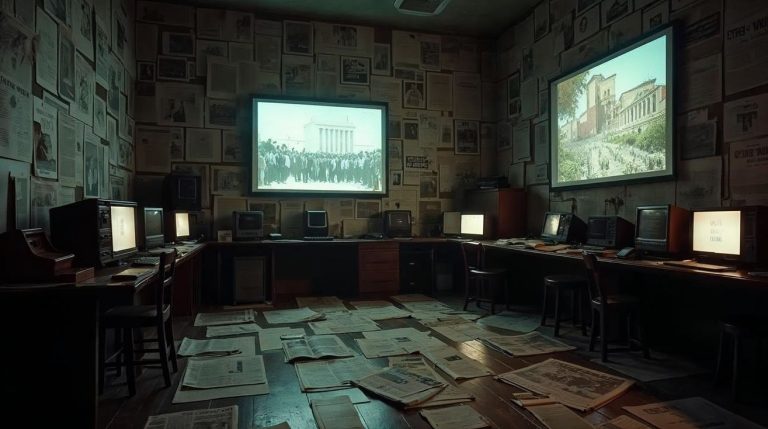
It’s almost ironic to think that while war seemed so distant to many, it echoed loudly in the media of both camps. Television and radio became the battlefronts where each ideology tried to outmaneuver the other. The Voice of America broadcasts pushed the narrative of democracy and liberty into Eastern Europe, while Radio Moscow did its part, broadcasting the advantages of communism to the West. Even entertainment was laden with undertones; spy thrillers and dystopian stories were more than just genres—they were, quite often, veiled commentaries on the Cold War dynamics.
How many movies have we seen where the enemy, depicted as a mysterious Soviet figure, was the ultimate test for the Western hero? It’s no surprise that these cinematic tales have left an imprint, shaping the perception of adversaries even in today’s films and media outlets.
Echoes in Global Policies
The shadows of Cold War propaganda extend into the realm of foreign policies even decades later. Trust, or the lack thereof, built through years of misinformation and competition hasn’t entirely dissipated. As illustrated in scholarly discussions at institutions like the Brookings Institution, the rhetoric of the Cold War continues to influence diplomatic strategies and stances, evidenced in modern alliances and tensions.
This historical drama taught nations the value of narrative control. The methods once used to convince citizens of the evils lurking across the sea are today applied in shaping both domestic and international policies. The landscape might have changed, with new actors entering the stage, but the art of information warfare remains much the same.
A Shift Toward New Narratives
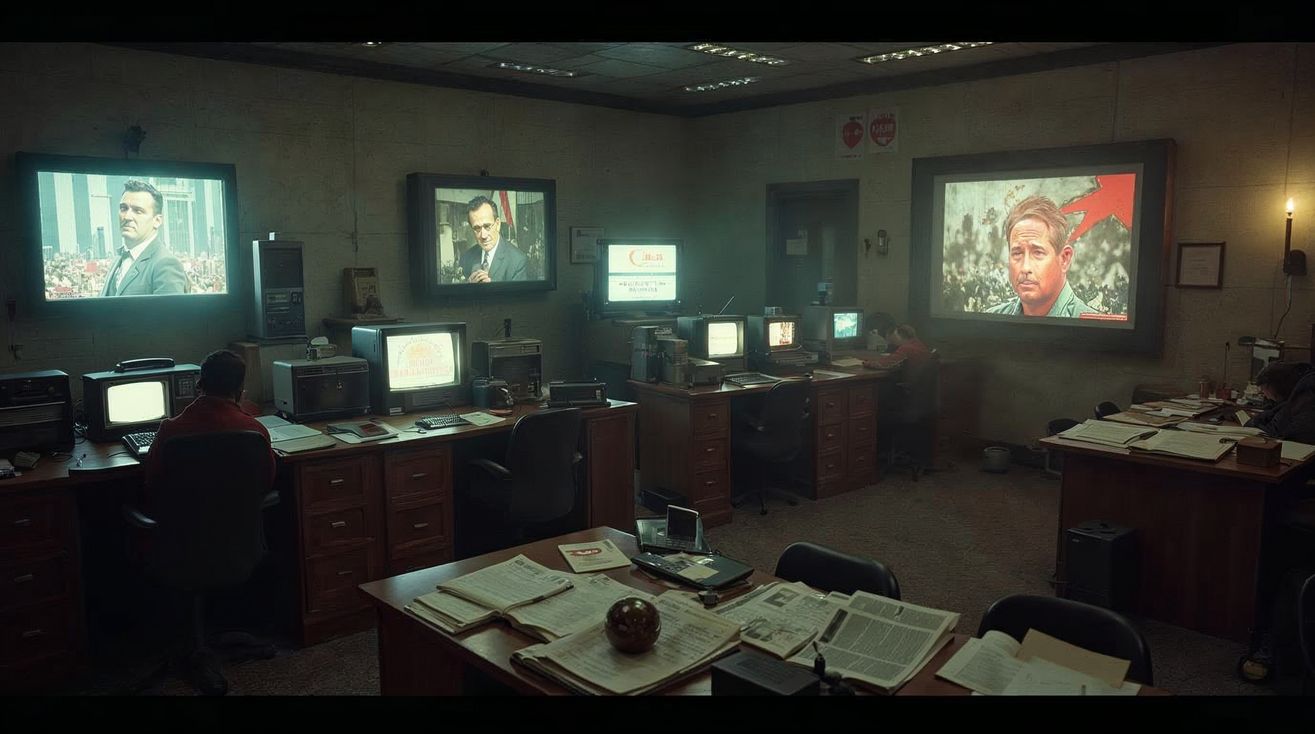
While the Cold War’s traditional propaganda might have evolved, it’s fascinating—and a little unsettling—to see how the core principles persist. In the age of digital media, the stage is larger, the tools more sophisticated. Social media platforms have become the new arenas where nations and individuals alike pitch ideas and influence the global conversation in seconds. A New York Times article highlights this shift, noting how quickly news—or propaganda—can spread, shaping perceptions in real-time.
Each tweet, each shared video, each viral post can carry a message with profound implications. And while the methods have advanced, the essence of persuading, influencing, and contending for a narrative has remained strikingly similar.
In sum, the Cold War taught the world the power of a compelling story. The narratives crafted during that time taught lessons—sometimes subtle, sometimes glaring—that continue to ripple through our current global society. As these historical echoes linger, shaping decisions and ideologies, it’s clear that the Cold War was as much about crafting stories as it was about geopolitics.
In today’s interconnected globe, being informed is key. What do you see reflected in modern politics that traces back to the Cold War days? Join the conversation and share your thoughts!