Why Cold War Propaganda Still Shadows Migration Policy Today
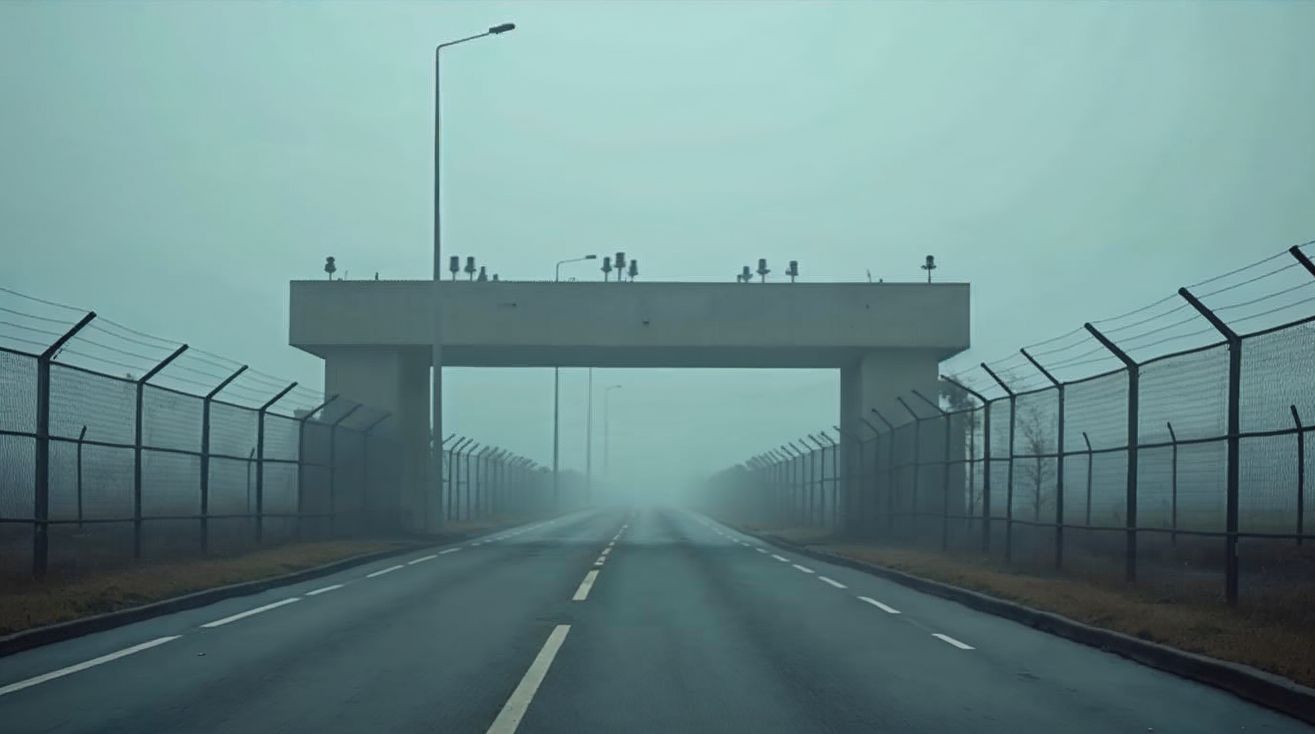
Beneath the facade of glistening promises and political rhetoric, remnants of the Cold War continue to cast a lingering shadow over today’s migration policies. It’s an era infamous for distrust and power plays, and — some would say — old habits die hard. These echoes are not just historical footnotes; they’re threads in the fabric of our current policies affecting the movement of people across borders, and they might be shaping our lives more than we realize.
The Cold War Echo
During the Cold War, a period marked by intense geopolitical tension between the Eastern and Western blocs, propaganda emerged as a critical tool — possibly even more crucial than we’re sometimes willing to admit. Both sides engaged in relentless media campaigns, aiming to win hearts and minds. These strategies often included demonizing the “other,” a tactic that, in many ways, echoes in today’s immigration discourse.
Fast forward to now, and the legacy of such propaganda ironically survives in subtle ways, affecting how nations perceive outsiders. Think about the narratives that predominantly shape discussions around migration; they frequently mirror the us-versus-them mentality of those past days.
Subtly Persisting, Yet Powerful
Even as global dynamics have shifted, traces of this bygone era’s influence remain. How we discuss migrants and refugees is sometimes reflective — perhaps too reflective — of Cold War sentiments. Nations continue to use cultural differences as points of friction, seemingly forgetting that diversity can indeed be a strength.
There’s a study from Princeton University that highlights the enduring impacts of Cold War strategies on current policies. The research argues that political narratives crafted during that time heavily contribute to modern-day policy formation, emphasizing security over humanitarian considerations.
Migration Policy Enforcement
One can’t overlook the iron curtain’s metaphorical remnants that linger in our present border control systems. Many countries today invest billions in strengthening their borders, often justifying these actions with fears rooted in old Cold War ideologies. For instance, you can almost feel the Cold War’s influence when listening to debates on border walls or immigration quotas.
International policy experts at the Brookings Institution point out that modern migration issues are often viewed through a security lens. This has led to policies that, critics say, prioritize national defense over the humanitarian needs of displaced individuals. Through this lens, migrants can be inaccurately seen as potential threats rather than contributors to society.
Voices of Change
While these shadows seem ever-present, there is movement towards change. Many activists and organizations fervently believe in and advocate for progressive migration reform. Their argument is simple: we must embrace the idea that people move for many reasons, often non-threatening, and should be treated with dignity rather than suspicion.
One could take inspiration from YouTube documentaries, often rich with personal stories that counter cold, institutional narratives. For example, here’s something to ponder: a video titled “The Human Faces Behind Migration,” showcases moving individual accounts of why people migrate and the hopes they carry. Such narratives can be a refreshing departure from the stale political discourse.
When we start to see migrants through a humanistic lens rather than a threatening one, we begin to dismantle the Cold War’s ghostly grip. Society’s understanding of migration could undergo a remarkable transformation if we embrace empathy over historical animosity.
Our world has changed since the days of stark geopolitical divides, and it’s perhaps time our policies reflect a new reality. As we navigate these turbulent times, let’s remember: borders should not just be lines on a map; they should be gateways to possibility and progress.
Whether you’re deeply engaged in migration policy or simply a curious observer, remember this: our actions today determine the stories we leave behind tomorrow. Let’s craft these policies on the armor of wisdom, with eyes set on creating a more inclusive future. Feel inspired? Join the conversation, share your thoughts, or simply stay informed — it matters now more than ever. Together, we can shift this narrative.