Why The Fall of the Berlin Wall Still Influences Foreign Policy Today
In a world where geopolitical shifts echo through the decades, the fall of the Berlin Wall remains a poignant reminder of the past influencing the present. It challenges us to ponder the complexities that linger in the shadow of history. Have you ever wondered why this event, etched in the annals of time, still wields such power over today’s foreign policy landscape? It’s a question that resonates deeply within international relations, and for good reason.
The Lasting Legacy of Division
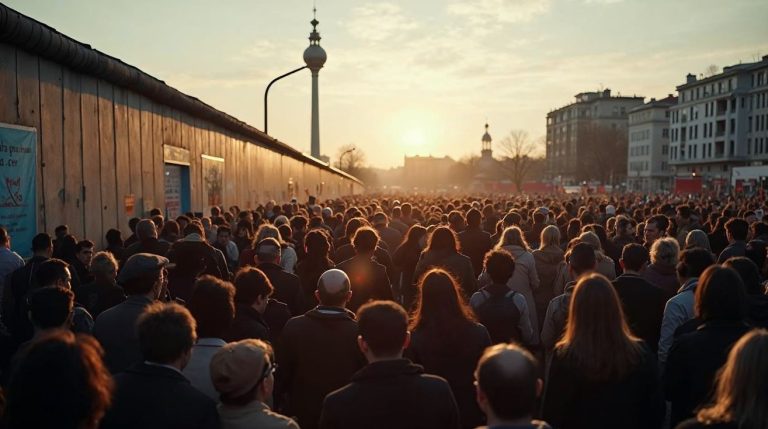
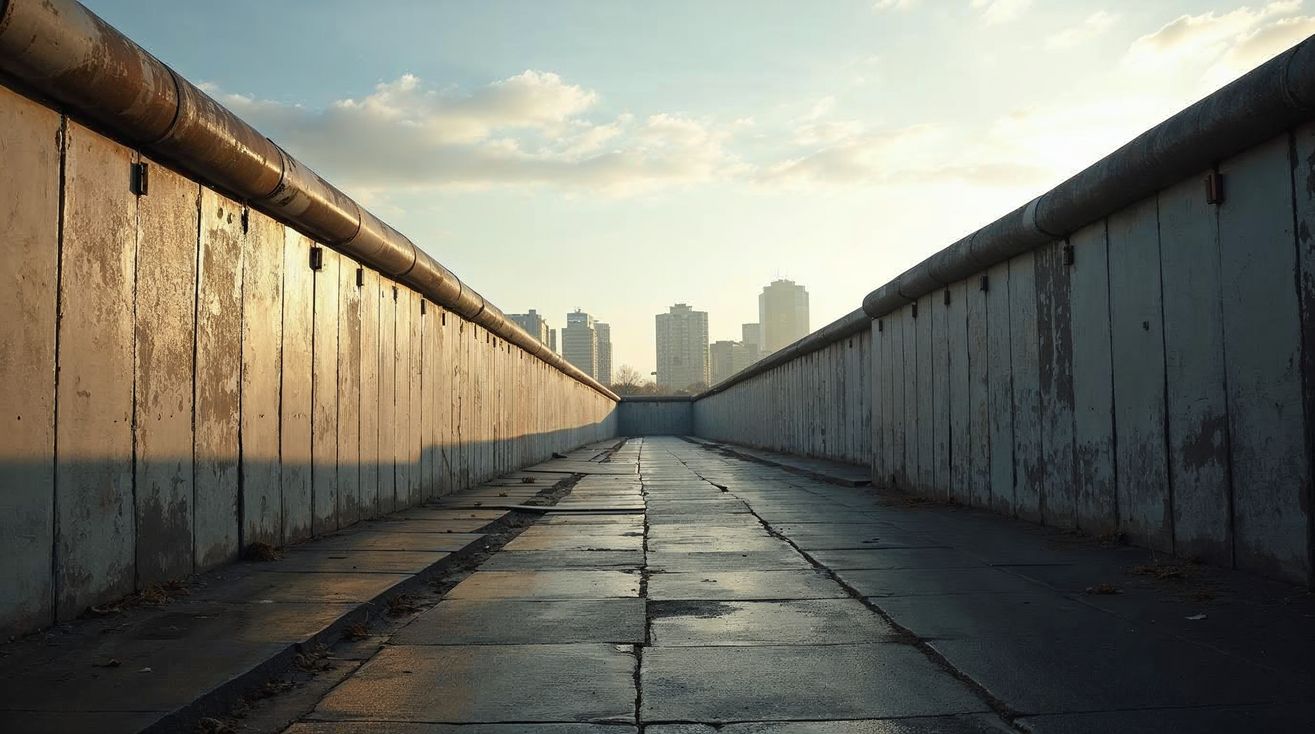
The Berlin Wall was more than just a physical barrier; it was a symbol of division that split not only a city but an entire world order. When it fell on that momentous day in 1989, it marked a turning point—a powerful symbol of freedom overcoming repression. Yet, thirty years later, its echoes still reverberate. The emotional memory of the Cold War has woven itself into the fabric of current diplomatic strategies. Leaders strive to avoid repeating the mistakes of the past, constantly keeping in mind the delicate dance of global alliances.
But beyond the political rhetoric, the Wall’s legacy affects individual lives. Families once separated by concrete and barbed wire were reunited, yet the emotional scars remain. It’s a poignant reminder that political decisions touch real people’s lives in enduring ways.
The Ghosts of Ideologies Past
Though physical remnants of the Wall are few, its ideological impact persists. The fall of the Wall is often hailed as a victory of democracy and capitalism over communism. This narrative continues to shape international policies and debates. Western nations, leaning into the ideals championed by this historical moment, navigate a complex modern playground where old ideologies clash with new realities.
Meanwhile, countries previously behind the Iron Curtain grapple with the dual challenge of embracing democracy while managing the vestiges of their communist past. They balance economic reform with societal expectations in a rapidly changing landscape. According to the BBC, Germany itself continues to navigate the nuanced challenges of unification, aiming to bridge economic and social divides decades later.
Global Political Tensions and the Wall’s Shadow
In the high-stakes world of international relations, the shadow of the Berlin Wall looms large. The lessons learned from its fall influence how policymakers approach contemporary conflicts. There’s an understanding that erecting barriers—whether literal or metaphorical—can have dire consequences. Increasingly, the global community acknowledges that cooperation, rather than division, leads to sustainable peace.
Consider the tensions along the Korean Peninsula, where discussions surrounding demilitarization often evoke memories of Berlin. Historical analogies serve as cautionary tales, nudging negotiators towards diplomatic engagement rather than exacerbation.
A Mirror Reflecting Today’s Challenges
Today’s geopolitical maps are riddled with new challenges reminiscent of those the Wall embodied. Migration crises, economic disparities, and nationalistic movements raise questions about borders and identity that resonate with those from the Cold War era. The Berlin Wall scenario isn’t just a historical footnote; it’s a vivid illustration of how history can inform future decisions.
A fascinating discussion emerged recently in a Foreign Affairs article, highlighting how current global leaders reference the Wall when discussing strategies for dealing with modern dilemmas. This connection to past events underscores their belief in learning from history to shape the future.
An Ever-Present Historical Reminder
The Berlin Wall’s remains stand as somber monuments, visited by millions each year who seek to understand its profound impact. These historical sites are more than tourist attractions; they’re educational touchstones, stirring up discussions about division and unity.
In a captivating YouTube video, historians and former residents share personal stories and reflections on living during the Wall’s lifetime. This firsthand insight offers a raw look into how deeply the Wall affected everyday people.
It’s clear that the fall of the Berlin Wall is more than a historical event; it’s a living conversation about our shared human experience. As you reflect on its legacy, consider what it can teach us about our present and future.
By exploring these multifaceted dimensions, we gain a nuanced understanding of the profound ways the fall of the Berlin Wall continues to shape today’s foreign policies. So, next time you hear a reference to those tumultuous days of 1989, pause and remember: history isn’t just in the books; it’s a part of our living world—and it’s waiting for us to learn from it.