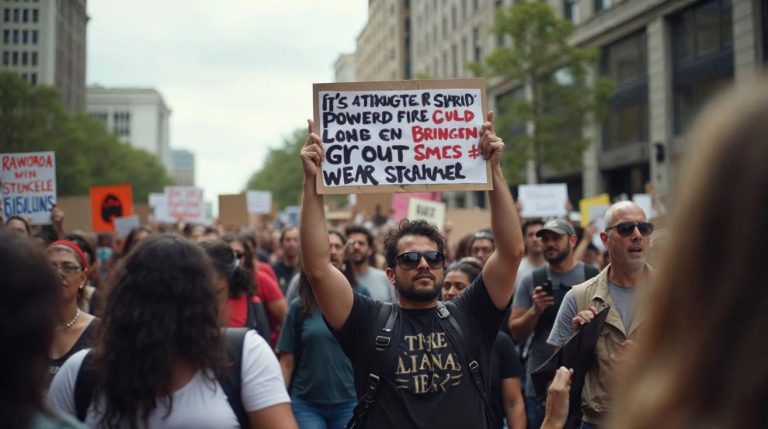
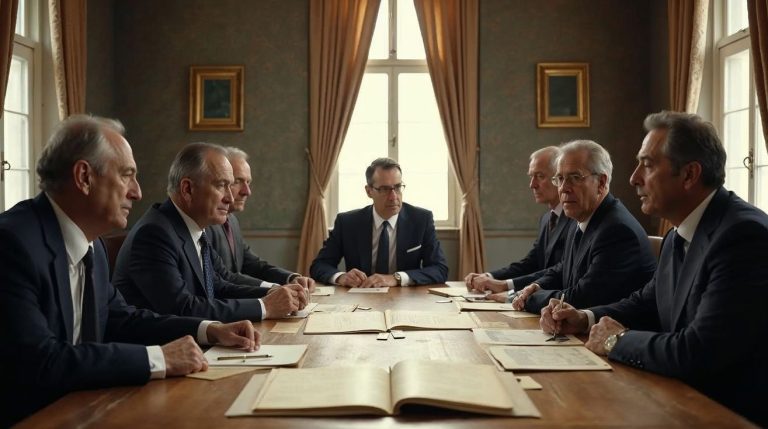
Why The Post-9/11 Security Era Still Influences Electoral Strategy Today

Unpacking the Post-9/11 Security Era’s Continuing Impact on Electoral Strategy
There’s a certain atmosphere lingering from the shadows of 9/11, a spectral presence that’s hard to ignore in today’s political arena. The tragic events of that day reshaped national policies, but they also left an indelible mark on how elections are waged and won — a mark that persists, influencing strategies and shaping narratives even now.
Security Concerns on the Campaign Trail
The public’s priority on safety hasn’t diminished in the years since 9/11. In fact, issues of national security frequently surface during campaigns, acting as critical levers that can swing public opinion. Whether deliberate or incidental, candidates often delve into the rhetoric of fear to underscore their strength and resolve. According to a Pew Research study, voters consistently rank safety as a top concern, which means it’s a topic that pundits can’t afford to ignore.
But has this focus on security altered the way campaigns are run? Well, the short answer is yes. Post-9/11, narratives concerning foreign threats or domestic security have been used to distract from economic or social issues. In particular, the way candidates frame their stances on terrorism or national defense can either comfort or alarm voters, depending on the immediacy of threats at the time.
The Shift in Electoral Messaging
In recent years, electoral messaging has been profoundly reshaped. Security concerns have become a backdrop upon which other themes like immigration and foreign policy are painted. Consider the ever-evolving dialogue on border security and its financial, ethical, and logistical repercussions. It’s a narrative that taps into the potent post-9/11 emotions, intensifying the debates surrounding national identity and safety.
Remarkably, some strategists deploy this tactic by subtly linking a candidate’s political ideals to safety measures. It’s not always overt; sometimes, it’s a quiet implication that underscores broader themes without making security the centerpiece. However, it’s an artful dance of pushing just enough fear to alert without panicking.
The Emotional Toll and Trust in Leadership
Where does this leave us, the voters? Quite simply, in a perpetual state of cautious vigilance. The aftermath of 9/11 awakened an emotional facet to electoral strategy where trust in leadership is intertwined tightly with security narratives. Candidates’ ability to project competence and reassure voters underlines many modern campaigns. Indeed, during any election cycle, an attack on a candidate’s leadership often centers around past decisions related to national security.
One might wonder, how do voters sift through these layers of messaging to determine genuine leadership qualities? There’s no simple answer, but awareness of these tactics can help. According to the Brookings Institution, successful candidates often balance rhetoric with concrete plans, reassuring constituents that their focus isn’t solely reactionary but also proactive.
Looking Ahead: Will This Ever Change?
The cynical observer might argue that the shadows of 9/11 will continue to wade into our voting booths as long as there are geopolitical tensions to exploit. Nonetheless, some hope lies in the evolution of public consciousness. Younger generations, increasingly engaged and informed, challenge candidates to pivot toward more hopeful narratives centering around collaboration, innovation, and long-term global impacts.
Change is inevitable — it’s what history promises us. Yet as long as security fears remain a persuasive tool, it will likely persist as a significant component of electoral strategy. And honestly, it’s surprising — really surprising — how resilient these strategies remain.
In the end, the voters must demand more from their leaders, seeking not just guardians for the fleeting fears of the moment, but visionaries for a future that feels secure beyond crisis.
So next time you find yourself swept up in election fervor, take a moment to reflect: are these strategies addressing today’s challenges or merely replaying an old score?
And if you found this insightful or thought-provoking, don’t keep it to yourself. Share it with others, and let’s keep the conversation going!