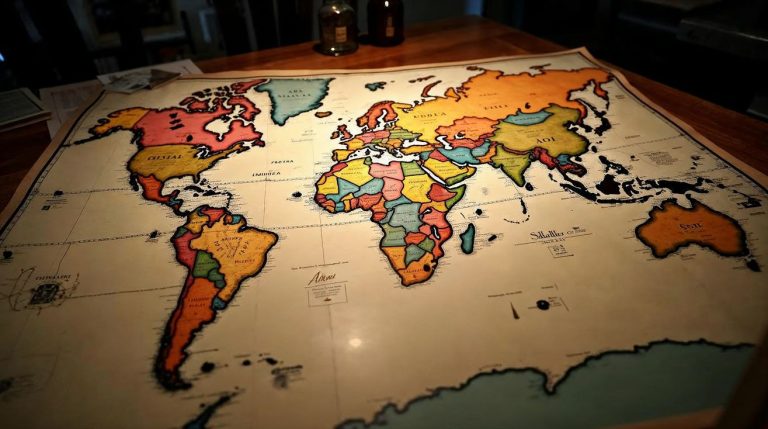
The Long Shadow of Cold War Propaganda in University Education
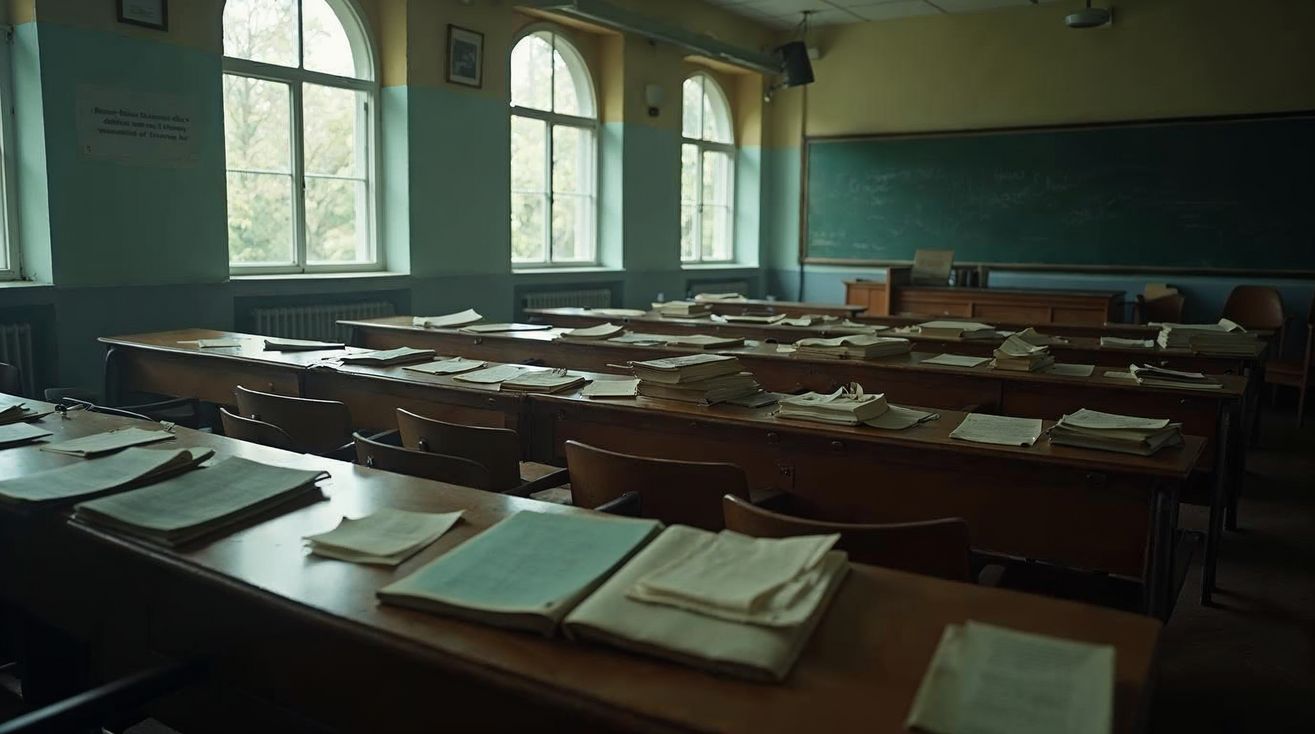
In the stillness of academic halls and underneath layers of papers and teachings lies a story fraught with intrigue and veiled truths. Who would’ve thought that Cold War propaganda, a relic of the 20th century, would have such a prolonged whispering effect on education systems today? It’s fascinating—we often forget the ripple effects these grand historical narratives cast into every corner of our lives.
Echoes from the Past
Walking through the corridors of history, the Cold War is often remembered as a time of intense geopolitical tension between the United States and the Soviet Union. But beyond that, it was a period brimming with a quieter war, one waged not on battlegrounds but in classrooms across the globe. The battle for minds was relentless. Seemingly innocuous textbooks quietly doubled as vessels of enshrined ideology. Experts looking back suggest that this influence was profound, invisible like ink seeping through porous paper.
During the Cold War, the subtle power of information was wielded like a scalpel, surgically implanted into the curricula of higher education. According to U.S. National Archives, universities in both Eastern and Western blocs became arenas where these ideological forces clashed, learning materials curated under the invisible hand of state agenda—each side weaving their version of truth.
Education as an Ideological Battlefield
The very essence of higher education, its quest for truth and understanding, became entangled in this ideological tug-of-war. Both superpowers saw education not just as a means of developing skilled minds but as a crucial front in a war where the victor would shape future societies’ worldviews. It was about more than ideals; it was an investment in a future ideological landscape, aiming to mold students into proponents of their conceived “universal” truths.
It’s really quite astonishing how pervasive this mindset became. Educational institutions were not just learning hubs; they were instruments of state policy. And while generations have come and gone, the echoes of this quiet war still resonate in academia today, subtly influencing frameworks and thinking patterns in ways many wouldn’t suspect.
Today’s Educational Landscape
Fast-forward to the present day, and we find ourselves questioning the subtle residues of this period. Does the shadow of Cold War thinking still inform the narratives and critical discussions of today’s academic environments?
Certainly, remnants of that era still whisper in lecture halls and textbooks. Critics argue that some of the same narratives—subtle biases or frameworks—sneak into the content of courses, often unnoticed by those consuming or even teaching them. It’s a peculiar situation—like traces of salt lingering in a seemingly bland pudding.
However, there’s more to the story. Today’s digital age, bristling with diverse voices and perspectives, poses a formidable challenge to these old, ingrained narratives. Education, increasingly global and interconnected, is gradually purging itself of these residues. This transformation, though subtle and often uneven, reflects a growing awareness and emphasis on presenting a more balanced, multifaceted view of world history and political ideologies.
A Path Towards Neutrality
So, what’s being done about all of this? Institutions are increasingly aware of the need to counteract this past influence. Acknowledging and unpicking these biases is not merely an intellectual exercise but a necessary realignment for educating global citizens in a world that is no longer merely bipolar.
Many universities are committing resources towards diversifying curricular content. The adoption of a more inclusive, globalized perspective is more pronounced now than ever. According to educational reformers, it’s about embracing a range of voices and stories, aiming to create a richer tapestry of knowledge that resonates with students no matter their background.
The real question is, can we truly step out of such deep, historical shadows? Well, perhaps. As academia continues to grapple with these longstanding issues, there is a persistent drive to evolve—an ambition to cultivate minds that are not only filled with knowledge but are also critically aware of the lenses through which that knowledge is viewed.
A recent report from the U.S. Department of Education highlights efforts to include broader, more inclusive perspectives in educational materials—a step forward in a journey that is, admittedly, ongoing.
In this modern age of education, we walk a fine line. The journey away from the past’s shadows is not a straightforward one, but it’s essential—after all, the power of education lies in its ability to expand horizons, not limit them. This endeavor to forge truly neutral educational spaces is a work in progress. Yes, it takes time, but it’s happening.
So, as you wander through your pursuit of knowledge, perhaps consider this: what remnants of the past do you encounter in your learning experience? And how can collective awareness drive us all towards a more balanced academic future? Let’s be part of this evolving story. Dive in, question, and contribute to the tapestry of knowledge.