Why The End of Apartheid Still Shapes Immigration Debates Today
Immigration is one of those topics — complex, deeply personal, and let’s be honest, full of emotion — that continues to stir debates across the globe. But what many might not immediately realize is how the shadow of apartheid still casts its influence over these discussions. Yes, you read that right. There’s a historical undercurrent here that’s more than meets the eye.
Learning from Past Divisions
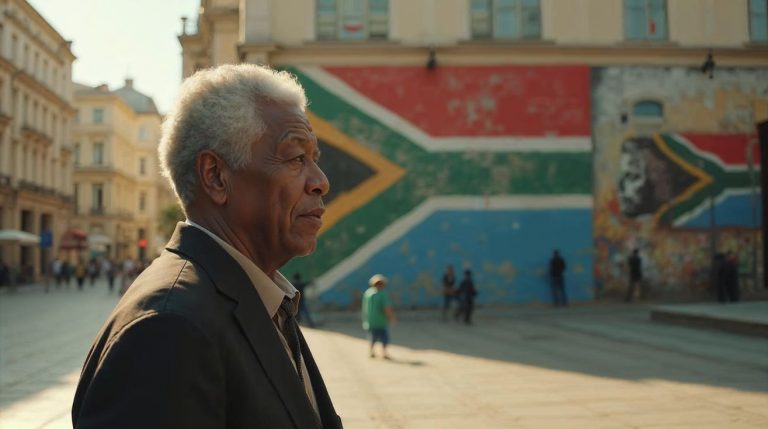
Picture this: apartheid, a grim period in South African history, was officially dismantled in 1994. But its ripples, like those from a stone tossed into a pond, persist in unexpected ways. Today, scholars and historians emphasize understanding this era’s policies to grasp current immigration challenges. According to an analysis by the South African History Archive, examining apartheid’s systemized segregation offers insights into the systemic barriers many migrants face today. Quite a connection, wouldn’t you say?
The Complex Nature of Borders
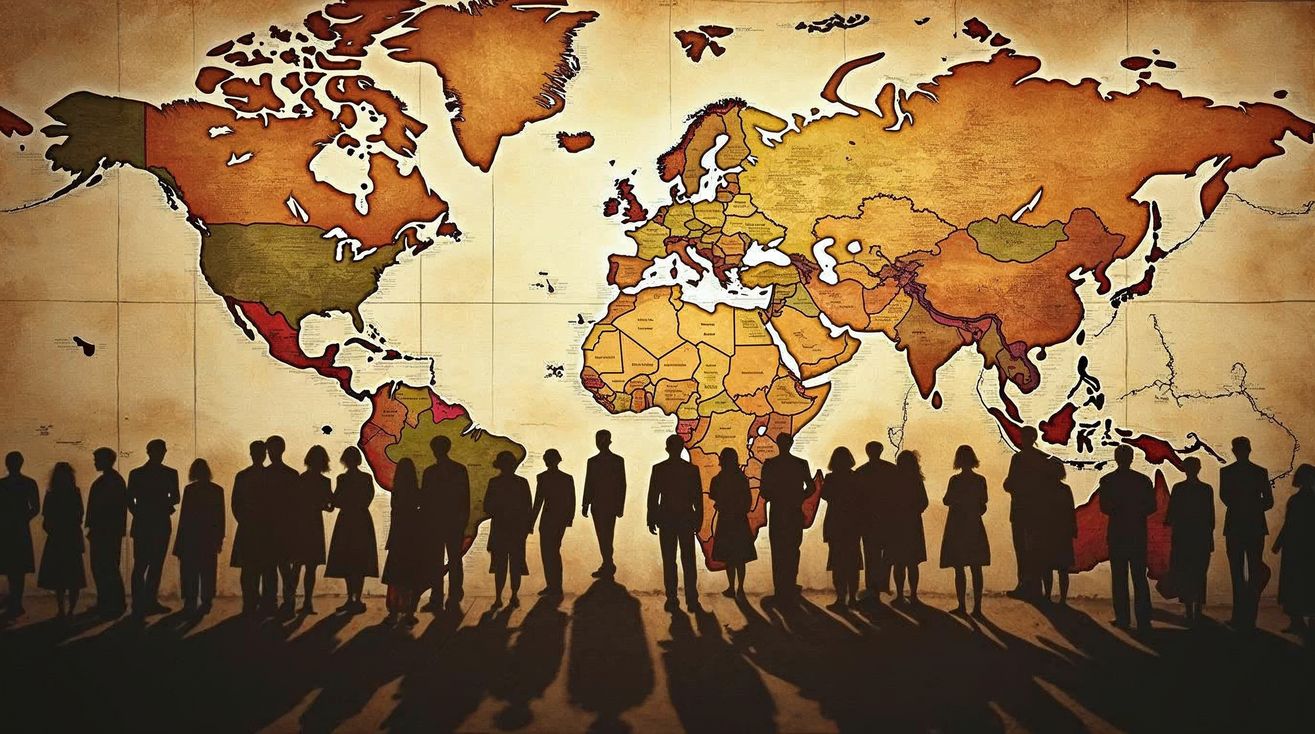
Borders — they’re not just lines on a map. They’re emotional, historical, and political constructs. Apartheid might be history, yet its legacy of division refuses to fade quietly into the past. Nations grapple with integrating diverse populations while striving for social cohesion, a challenge far from unique to South Africa. In a way, apartheid serves as a stark reminder of the importance of inclusive policies. Acknowledging diversity isn’t just a social responsibility, it’s a necessity.
Modern Debates: More Than Meets the Eye
Now, let’s talk about those modern debates. They don’t happen in isolation. The discourse swirling around immigration today can be a reflection (and occasionally a rather warped one) of the divisions apartheid left behind. Communities remain split over who belongs and who doesn’t. The need for understanding and empathy might seem obvious, yet it’s often in short supply. Think about it: isn’t it curious how historical injustices continue to influence heated discussions about contemporary immigration policies?
Reconciliatory Steps Forward
So, how do we move forward? It’s not just about policy reform. It’s about rethinking attitudes. Communities worldwide are making strides to mend past rifts, guided by a mix of historical reflection and forward-thinking strategies. Efforts are being made to acknowledge past injustices while building bridges for future generations. Take a moment to ponder this: what would it take for nations to transform historical pain into collective healing and unity?
Learning from the Past
What’s abundantly clear is that learning from apartheid can be a powerful tool in shaping better, more compassionate immigration policies. It’s about taking a hard look at a dark chapter and using its lessons to create a brighter, more hopeful future. According to a report by IOL News, addressing the residue of apartheid is integral to fostering social justice and equality.
In the grand scheme of things, every step toward understanding is a step towards healing. And who knows? In unraveling the complicated dance between history and modern immigration leads, we might find a path towards not just integration, but genuine inclusion. Curious to learn from history and shape a future that truly embraces diversity? Now’s the perfect time to start.