The Long Shadow of The End of Apartheid in Cultural Wars
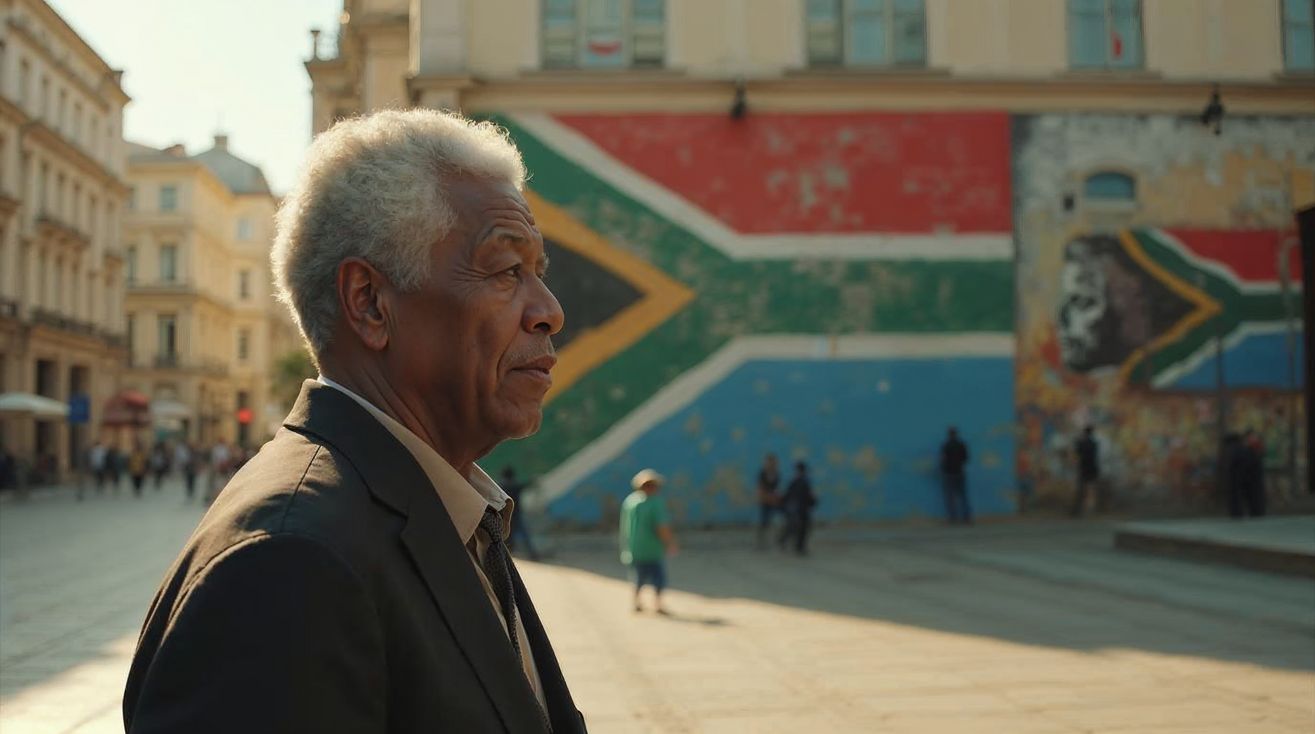
In an age of digital discovery and quick-change trends, understanding the media that shapes our lives is more crucial than ever. Yet the cultural impacts of major historical events continue to ripple through our present-day societies, almost as if those events have left an indelible mark on the very fabric of our culture. The fall of apartheid deeply impacted South Africa, but its influence extends globally, pervading many aspects of cultural discourse worldwide. But why and how does this historic shift continue to cast such a long shadow over today’s cultural landscape?
The End of Apartheid: A Turning Point
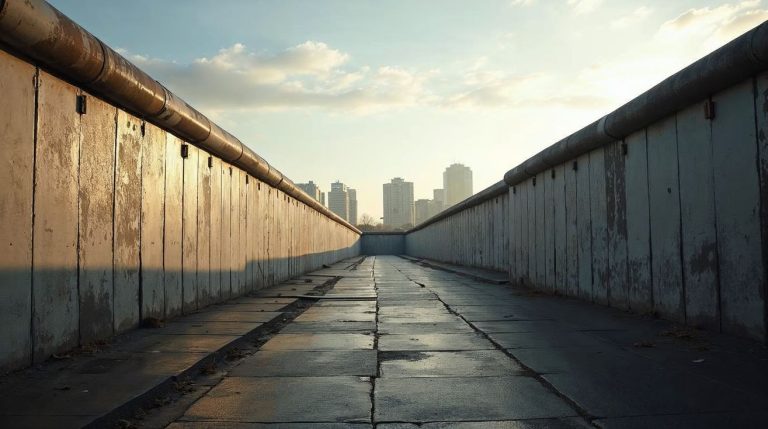
The formal end of apartheid in 1994 marked a significant milestone not just in the political arena, but also in the cultural sphere. It was as if a huge curtain had been lifted—or, perhaps more fittingly, torn apart—to reveal a society desperately in need of transformation. Nelson Mandela’s election as South Africa’s first Black president was a beacon of hope, illuminating a world of possibilities. However, the journey from apartheid wasn’t merely one of national celebration; it was deeply personal for millions. The apartheid regimes’ oppressive policies had woven racial separation into daily life, embedding a legacy that would require more than new laws to dismantle. For many, the systematic racial injustices became an awakening, a call to action, inspiring artists, musicians, and filmmakers globally to engage with themes of freedom, equality, and resistance.
Looking at the arts, one finds no shortage of powerful messages. From Shakespearian echoes in films like “Crying Game” to anthems of resistance from diverse music genres, the echoes of apartheid resonate. This cultural reflection is more than a mere recounting of the past. It breathes life into the stories that both haunt and heal.
Cultural Waves of Change
As the institutions of apartheid crumbled, the cultural tides began to shift worldwide. In every corner of the globe, people began to relate their own struggles for equality with those in South Africa. Activism flourished as communities drew parallels with apartheid, magnifying their own calls for justice. But perhaps, none felt this more acutely than the artists who canvassed these sentiments into their work. Artists like Hugh Masekela and Miriam Makeba became musical icons, their work speaking directly to the injustices they fought against.
Embracing a new future required a reimagining of cultural symbols and narratives globally. According to an article from BBC Culture, the music of apartheid-era South Africa wasn’t merely entertainment—it became a powerful form of protest, a beacon for change. In literature, the likes of Nadine Gordimer and J.M. Coetzee began grappling with the nuances of a post-apartheid society, exploring those tricky questions of identity and reconciliation that still linger today. You can almost feel their characters wandering through pages, struggling to grasp a new reality.
Cultural Conversations Continue
But here’s the twist—not all conversations have neatly progressed. Many echoes of that era still ripple today, reverberating through contemporary culture wars. Why? Because, fundamentally, the values at the heart of apartheid—identity, race, power—remain issues society grapples with. The discussions might take different forms now, like debates on social media platforms or in the halls of academia, but the essence remains. According to a The Guardian report, the quest for racial equality is far from complete both within and outside South Africa.
Currents of these ongoing discussions are visible in global movements such as Black Lives Matter. The fight against systemic racism echoes similar struggles that fueled opposition to apartheid. In a way, it’s a reminder that these cultural wars, fueled by the past, haven’t disappeared; they’ve merely evolved. As we analyze the way these issues are handled in popular culture today—from films to advertising campaigns—we uncover the layers of the past that continue to influence the present.
The Personal is Still Political
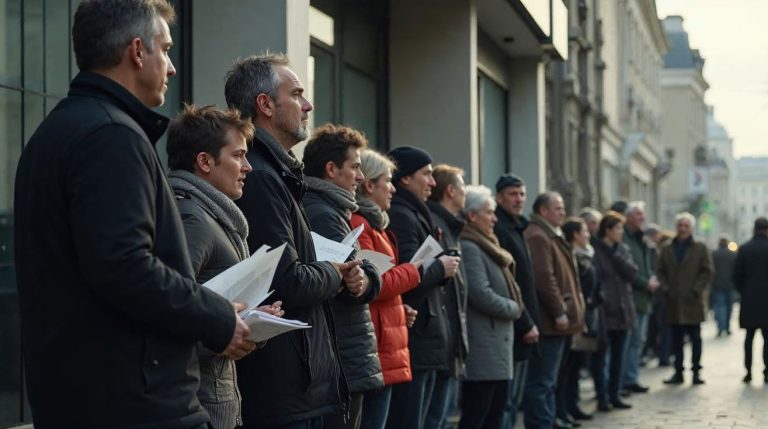
For those who lived through the apartheid years, the storytelling isn’t over. Personal narratives continue to fill books, films, and songs, revealing deep-seated emotions intertwined with broader political themes. And to be honest, it’s surprising—really surprising—how these individual stories speak to grander themes of human rights and justice.
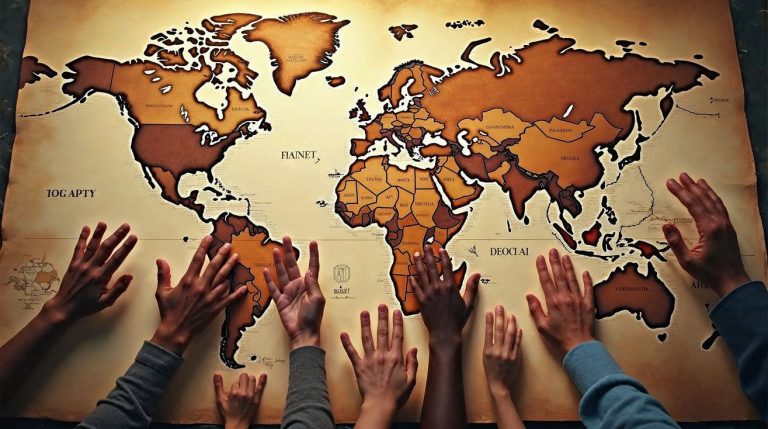
There remains a profound richness in exploring the ways diverse communities have responded and continue to respond to the fall of this controversial regime. As the world gets smaller through digital connectivity, these stories have found fresh audiences, extending their reach to shores far beyond South Africa’s borders. For people grappling with similar issues, these narratives can serve both as solace and inspiration. They remind us that the world, despite its size, is connected through shared human experiences.
Looking ahead, it’s essential that we continue to examine these cultural conversations, not just to honor the past but to understand the challenges that lie ahead. By doing so, we not only acknowledge those turbulent times but also ensure that their lessons aren’t lost to history.
As we conclude this exploration, it seems we’re left with more questions than answers. That’s how it should be, really. After all, isn’t that the very essence of engaging with history and culture? If you’re keen to delve deeper into these themes, why not pick up a book or watch a film that explores the post-apartheid journey? Engaging with these stories gives us the vocabulary to better navigate our own complex world. Curious to read more, perhaps? Come and join us on our shared path of discovery.