The Story Behind The End of Apartheid
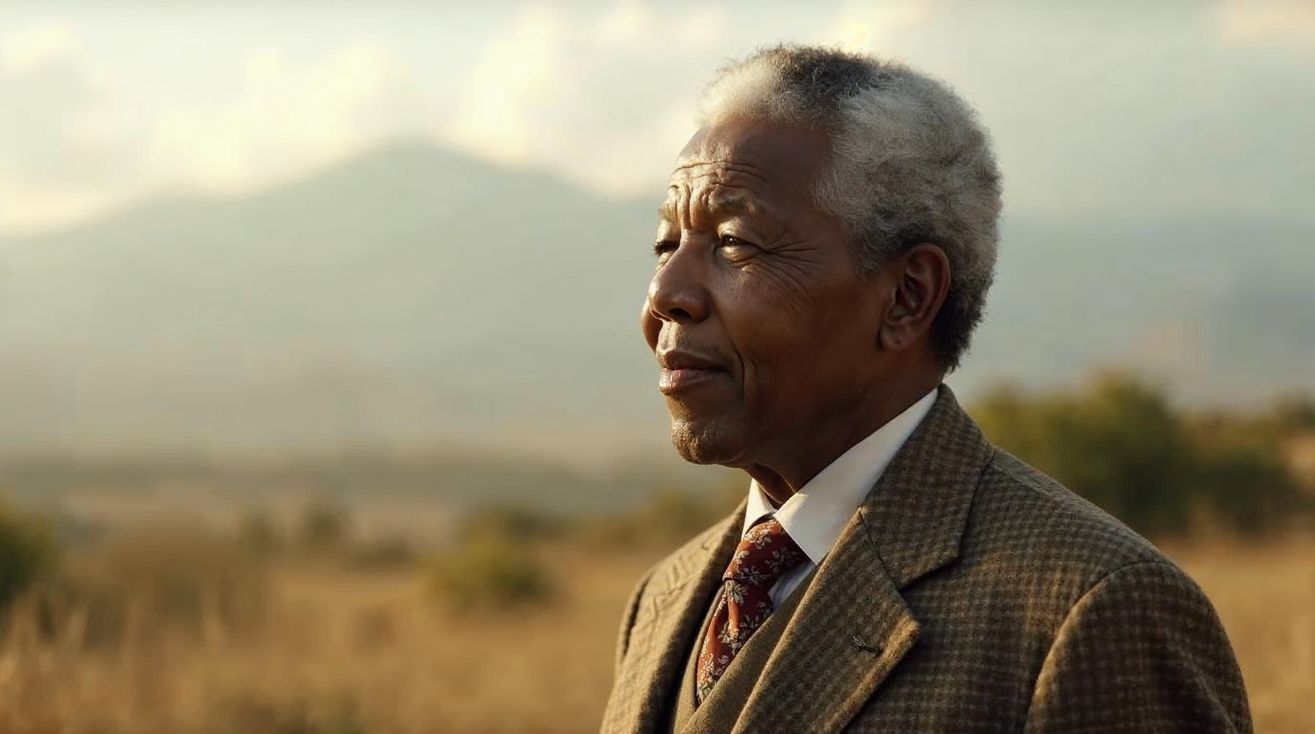
What really went on behind the scenes of one of history’s most significant moments? The end of apartheid left a resounding impact on South Africa, reshaping its social fabric. It’s a tale of resistance, resilience, and sometimes, unexpected alliances. Join me on this journey as we delve into the intricate web of history, politics, and human spirit.
The Roots of Apartheid
Where did it all begin? The foundation of apartheid can be traced back to the early 20th century when the government began to formalize racial discrimination. The apartheid system, officially starting in 1948, was more than just a series of laws—it was a legalized framework to segregate and oppress. Imagine daily life under such a regime; it was both oppressive and starkly divided. The infamous “pass laws” dictated daily movement, fragmenting society and embedding deep racial disparities.
Resistance and Rebellion
It’s important to remember that apartheid didn’t go unchallenged. Courageous voices rose in defiance, with the African National Congress (ANC) at the forefront. Closer to the heart of this struggle were figures like Nelson Mandela and Desmond Tutu, whose profound courage inspired the world. This was not just a political fight; it was a deeply emotional struggle that endured through years of pain, prison, and protest. They fought, often risking their lives, demanding justice in streets, courtrooms, and international platforms.
Interestingly, global attention intensified after the tragic incidence of the Sharpeville Massacre in 1960. According to a detailed South African History Online report, the world watched in horror as peaceful demonstrators were met with violent police crackdown, leading to international condemnation and a surge of support for anti-apartheid movements across continents.
A Strategy Shift
By the 1980s, something interesting started to unfold. Faced with growing internal unrest and international pressure, the South African government realized the tides were shifting. Economic sanctions and boycotts isolated the nation. The political climate started to thaw as pragmatism nudged out old dogmas.
Many people don’t know that the release of Nelson Mandela in 1990 wasn’t an isolated event. Behind it lay years of secret negotiations and back-channel communications between the ANC and the government. How much mostly unseen diplomacy was at play behind closed doors? Many key figures worked tirelessly to build bridges, striving to find a middle ground amidst intense tension.
Or consider F.W. de Klerk—a name sometimes forgotten when recounting the end of apartheid. His role was pivotal. A surprising reformer, his willingness to engage in dialogue and create policy changes helped change the course of history.
The Official End and Its Ripples
Fast-forward to 1994, a pivotal year when South Africa held its first democratic election. Nelson Mandela, a prisoner of the system for 27 years, emerged victorious, becoming the nation’s first black president. It was a historic victory, both for South Africa and for those who had supported the anti-apartheid cause worldwide.
The end of apartheid sent ripples through the world, signaling that change, while often slow and tough, is indeed possible. The architecture of apartheid may have been dismantled, but its echoes linger. Societal healing and transformation continue. As Archbishop Desmond Tutu famously said, “We are made for loving. If we don’t love, we will be like plants without water.” Such real, powerful words, and yes, they urge us towards a more just society.
The courage of countless individuals, whose names we might never know, reminds us of the strength and resilience present in humanity’s struggle for equality. Let these stories invigorate our commitment to fighting for justice, wherever it’s needed. Share your thoughts and keep the conversation alive, because history is always shaping the future.