Why The Iraq War Still Haunts Colleges Today
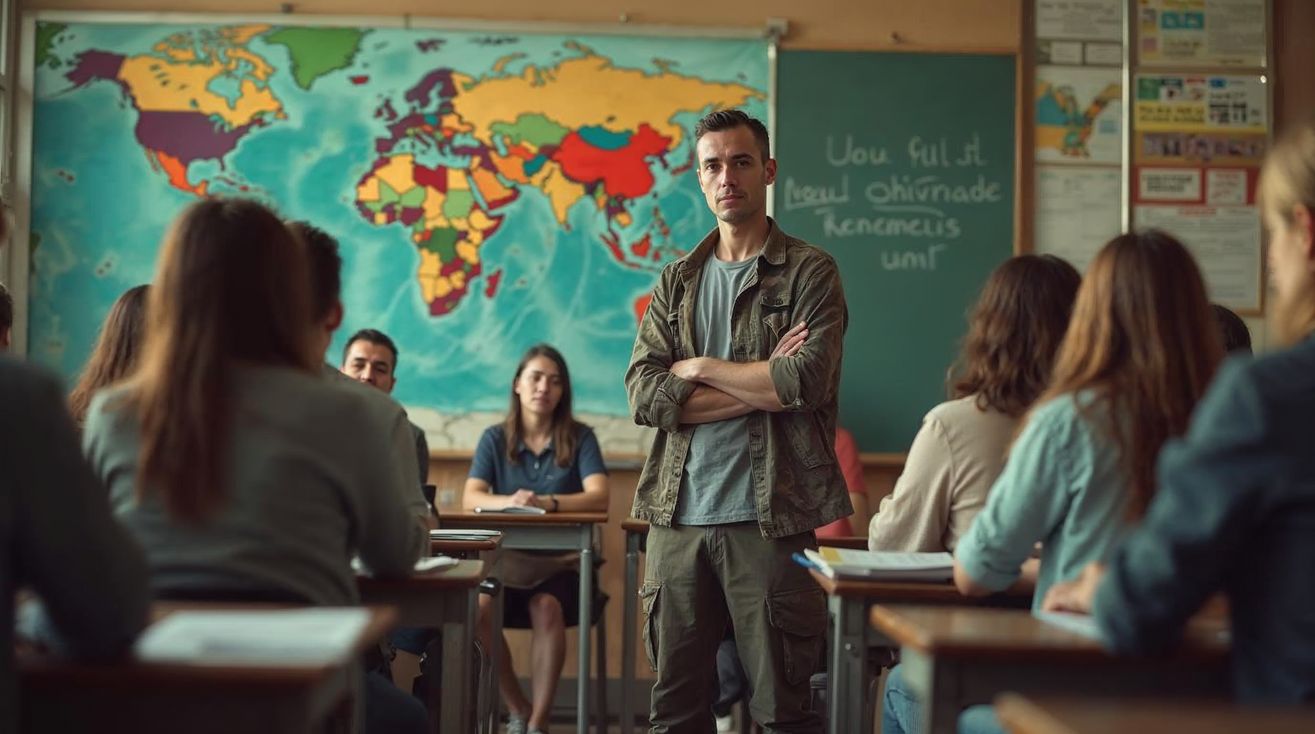
The story of how the Iraq War continues to ripple through higher education is a tale laced with both intrigue and introspection. Remember when the headlines screamed from every corner of the globe, telling tales of conflict, politics, and the lives irrevocably changed? Well, its aftershocks are still felt today, especially within the corridors of our colleges and universities.
The Lingering Shadows of Conflict
To say that the Iraq War only affected the Middle East would be a gross understatement. In the United States, its impact has woven into the very fabric of higher education. For young scholars, especially those majoring in international relations or political science, the war is not just history—it’s a case study laden with lessons. But there’s more: it challenges educators to introspect, bringing curriculum assessments, campus discussions, and policy formation into the limelight.
Reports like this one from PBS detail how universities have shifted focus to international diplomacy courses and conflict resolution studies. You can almost picture a classroom buzzing with debates on U.S. foreign policy, can’t you?
A Financial Toll
Financially, the war has left its imprint, too. With the country’s resources stretched by years of military engagement, educational funding took a hit. Many universities found themselves reallocating budgets, leading to noticeable cuts in grants and financial aid programs. Think about those brilliant minds who might have decided against college due to looming tuition hikes.
And yet, somehow, resilience shines through. Many students and educators alike viewed these challenges as opportunities to innovate. That’s fascinating, isn’t it? How adversity fuels creativity and change.
Veterans in the Classroom
The war also brought a unique group of students to campuses—veterans looking to transition to civilian life. These men and women, having witnessed the war’s realities firsthand, brought a depth of *real-world experience* that enriched peer discussions. They embodied resilience and offered perspectives that textbooks could never fully capture.
A Veterans Affairs report highlights the engagement and dedication they demonstrate—qualities that inspire their fellow students and contribute greatly to classroom dynamics. But the journey wasn’t always smooth. Veterans often navigated emotional complexities that demanded comprehensive support systems from educational institutions.
The Quest for Understanding
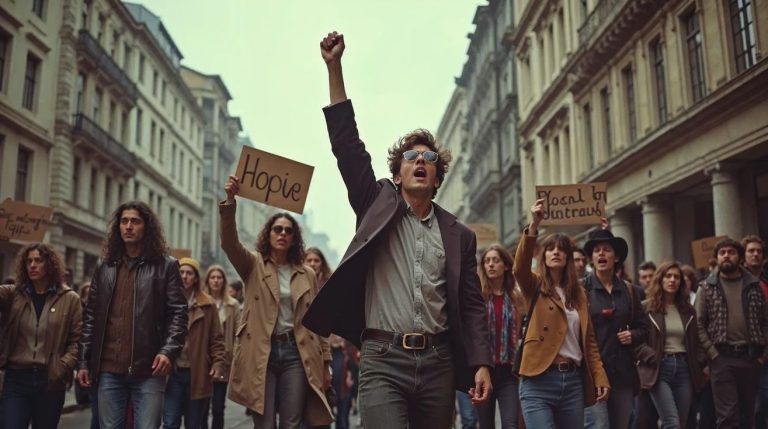
There’s something deeply human about the way universities have become arenas for debate and healing, post-war. From lectures by foreign diplomats to art exhibits portraying civilian life in wartime Iraq, campuses have evolved into spaces that foster understanding and healing.
For instance, the University of California hosted a thought-provoking symposium last year that drew participants from around the world. These exchanges foster empathy—a crucial commodity in today’s divided world—and build bridges between disparate experiences.
Even the arts play a role. When dramatic portrayals of the war cause students to pause and reflect, they directly engage with raw emotions and complex narratives. It prompts the question: Can art be a powerful vehicle for education and healing?
A Call to Action
Ultimately, the echoes of the Iraq War furnish poignant reminders that extend beyond textbooks and lecture halls. As educators and students continue to dissect these narratives, probing deeper questions emerge—about accountability, responsibility, and humanity.
And so, we are left with an important consideration: How do we ensure that future generations not only learn about the past but also actively work towards a more peaceful and understanding world? It’s a journey that calls us all, whether you’re an educator, a student, or simply an engaged observer.
As the narratives continue to unfold, join the conversation. Explore, engage, and challenge your perspective. After all, isn’t that what education is truly about?