The Long Shadow of Student Protests of 1968 in Global Leadership
Rewind to 1968, a year etched in the annals of time for the wave of student protests that swept through continents. But what’s often overlooked? The seismic shift these movements prompted in the realm of global governance. It’s not just a chapter in a dusty history book. It’s a living, breathing influence—a shadow, if you will—that continues to stretch over our modern political landscape.
Unfolding the Drama of 1968
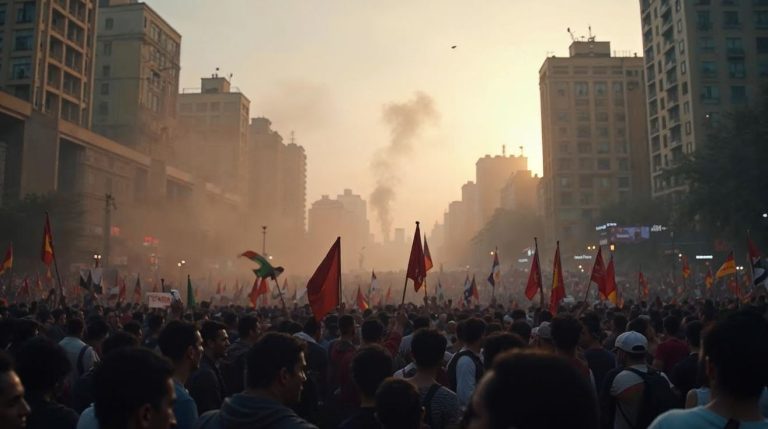
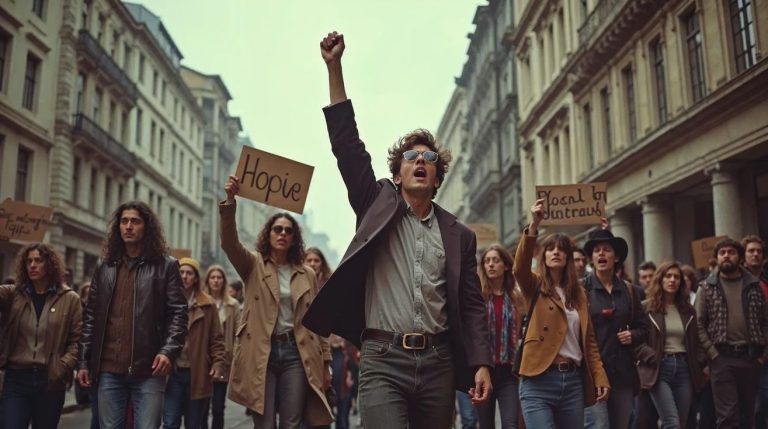
Picture this: The world was at a crossroads, teetering between old ideologies and burgeoning new aspirations. Students across countries like France, the United States, and Mexico erupted in protest. Their grievances were many—ranging from educational reforms to civil rights. According to a History Channel article, this global swell was fueled by an unyielding demand for democracy and freedom.
Yet, these weren’t just mere protests. They were intense, vibrant movements that questioned authority and demanded a seat at the table. And, in many ways, they were a brewing storm that caught established powers off guard.
Impact on Global Structures
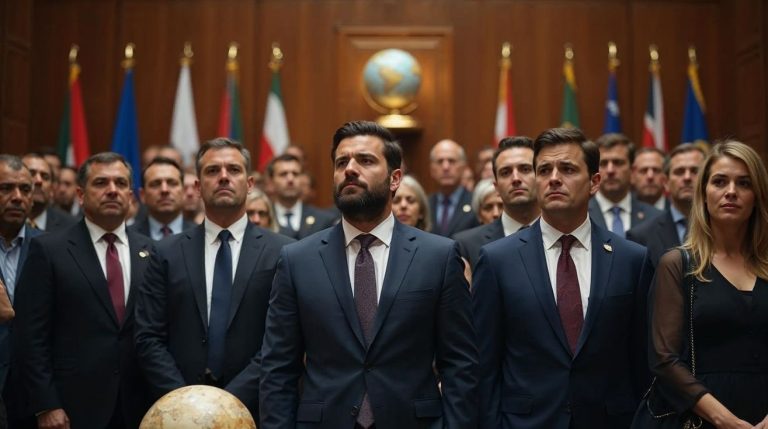
You might wonder—how does a student protest impact world governance? Quite profoundly, as it turns out. The demands for transparency, equality, and justice spurred by these movements crept into international forums, nudging leaders to reconsider their policies. The United Nations, for instance, found itself increasingly tasked with addressing human rights in a way it hadn’t before. It was as though the spirit of ’68 pulled back a curtain, revealing a necessity for greater accountability among global leaders.
Interestingly, historian Gerald DeGroot noted how this fervent push for change emphasized that governance needs to evolve with its people, and like any relationship, it requires constant nurturing.
The Lingering Legacy
Fast forward to today—does that shadow still linger? Undoubtedly. The fabric of modern governance is intricately embroidered with the ideals born from those student-led movements. In fact, a report from the United Nations highlighted how current youth activism, powered by digital connectivity, mirrors the student protests of 1968. It’s remarkable, really.
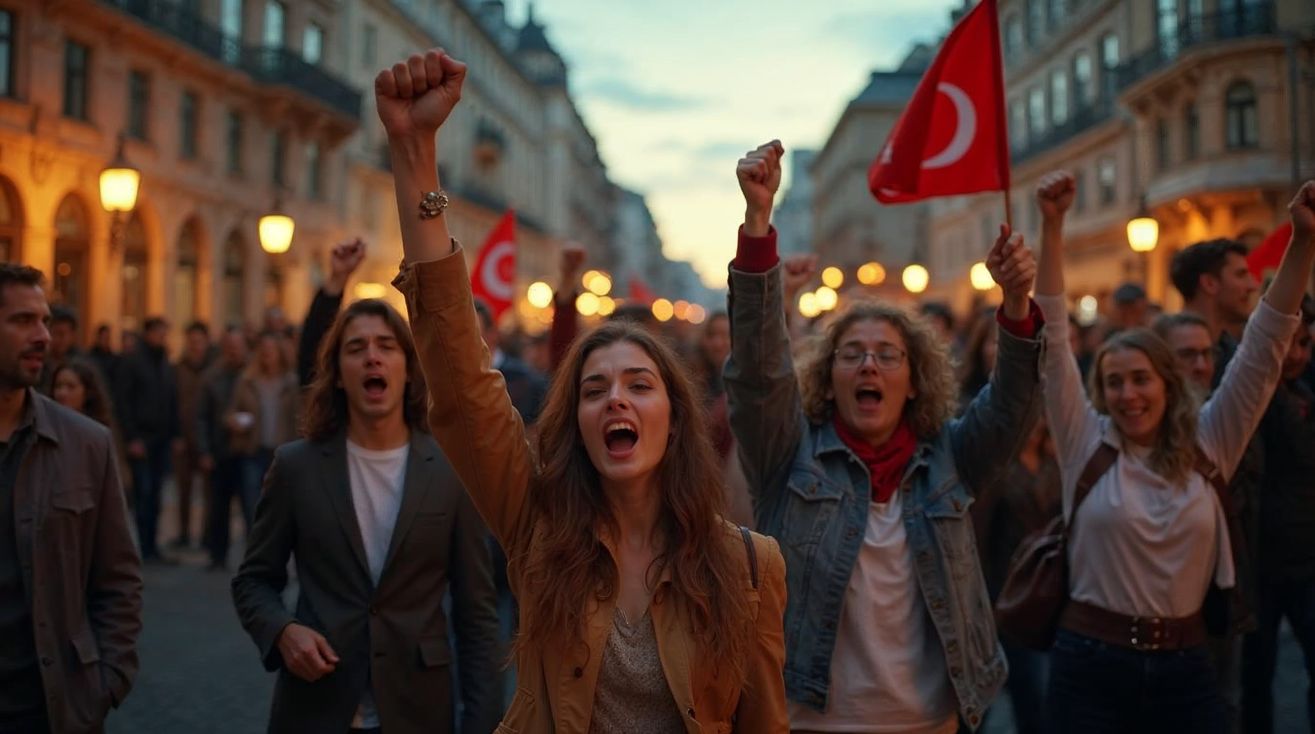
Yet, there’s a twist. Today’s movements are not just local or national; they’re global by default. Thanks to social media, a protest in one part of the world can quickly echo elsewhere, spotlighting issues like climate change, racial injustice, and economic inequality. You can almost hear the echoes of ’68 in the chants and tweets of today.
Why It Still Matters
Reflecting on these waves of change, one might pause and wonder: If these protests hadn’t happened, how different would our world be? It’s one of those “what ifs” that poke at our imagination. The courage of students back then set a tone for participation and civic responsibility that we still see today. It’s a kind of social legacy we ought to acknowledge—one that nudges modern governance towards inclusivity and progressive change.
And sure, these movements weren’t perfect. They had flaws—missteps and overreaches. However, they also had heart, a beating passion that insisted the world could, and should, be better.
To leave you with a thought, dear reader: It seems that every generation holds the power to sculpt the governance of its time. So, perhaps it’s worth pondering—what will our legacy be in the years to come?
These lessons from the past serve as reminders of the power of collective voice, and perhaps the next spark for change might be closer than we think.
It’s a story still writing itself, and one worth watching closely, don’t you think?