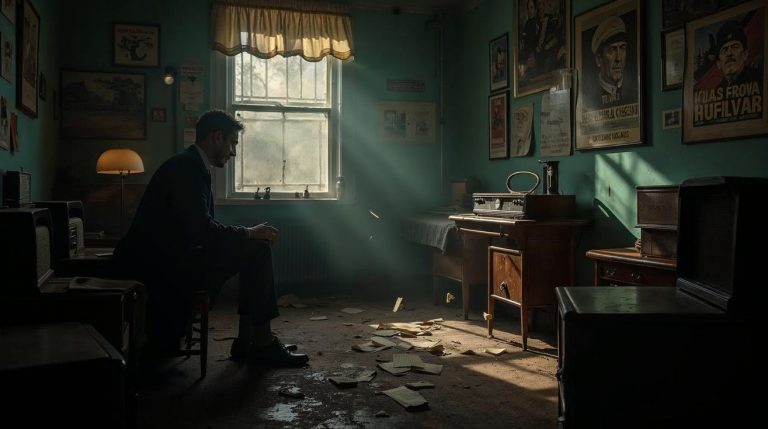
Cold War Propaganda and the Creation of Contemporary Protests
In the mid-20th century, a silent battlefield shaped the world in ways we’re still unraveling today. The Cold War, with its cloak-and-dagger diplomacy and ideological standoffs, left ripples that reached far beyond mere politics. Nestle into your armchair as we unpack how the era’s shrewd propaganda became a blueprint for modern-day protests. It’s a tale of whispers in back alleys transformed into chants in the streets—a true testament to the power of narrative.
The Art of Persuasion: A Cold War Legacy
The Cold War wasn’t just about nuclear arsenals and spies in trench coats; it was a war of influence, run by strategic words and images as much as by weapons. The West and the USSR both honed the art of persuasion to sway public opinion and project ideological supremacy. They planted ideas deeply—often so subtly that people embraced them as their own without a second thought. This approach wasn’t limited to newsprint; it spilled over into films, literature, and even music, infusing every aspect of life with a sense of heightened purpose or paranoia, depending on which side you were on. This was not just propaganda; it was a masterclass in storytelling.
According to a Britannica article, soft power strategies during the Cold War set a precedent for future movements. By showing the “truth” as an accessible narrative rather than a dry set of facts, these tactics taught us how beliefs could be molded with finesse. And that’s something we see echoed in today’s protest movements—where emotional storytelling often takes precedence over dry, sterile facts.
The Evolution into Modern Protests
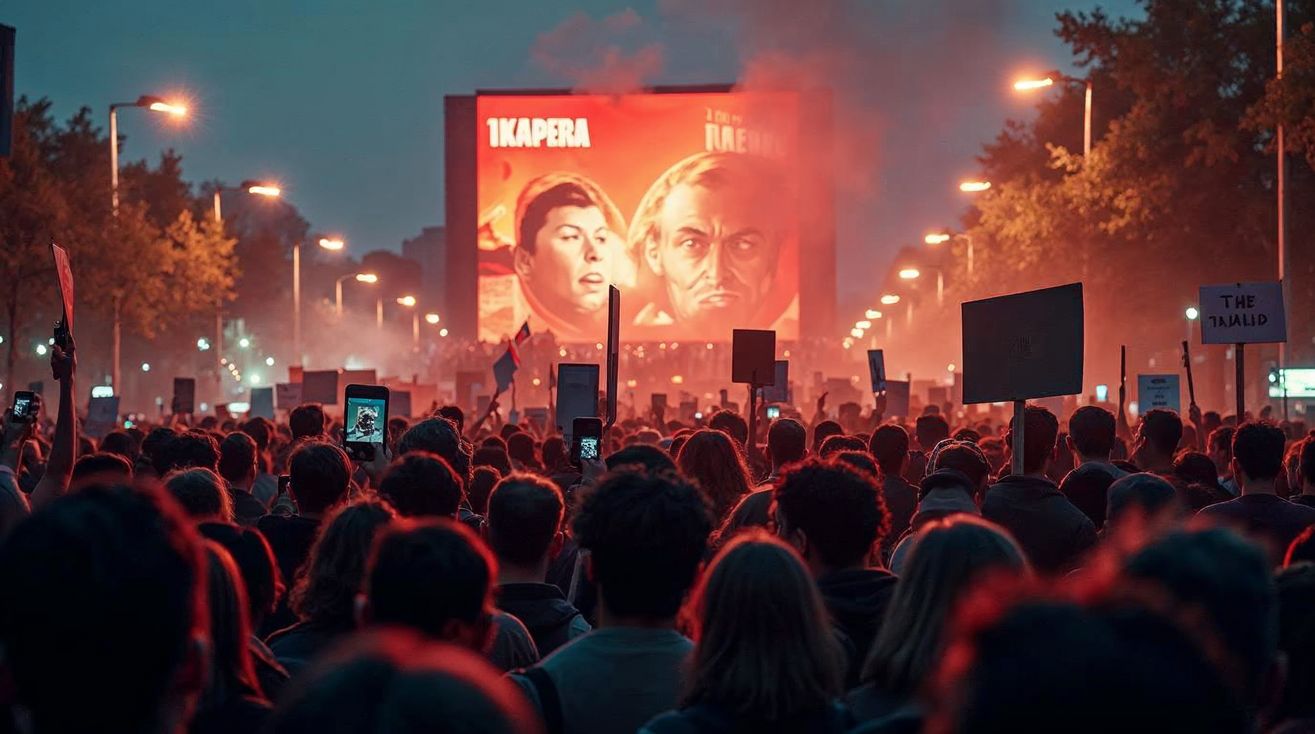
Fast forward to today, and you’ll find that those seeds of influence have grown into an entirely new ecosystem. Modern protests take cues from Cold War techniques but are turbocharged by technology and social media. These protests aren’t just marches or sit-ins anymore; they’re multimedia campaigns capable of amplifying voices to resonate across continents.
You might wonder, how does one craft a protest that not only demands attention but also sustains it? The key lies in the lessons hidden in Cold War manuals: a clear, emotionally resonant message can capture hearts and minds. Think about the Occupy Wall Street movement or the global climate protests led by passionate youth. Their strength comes from the powerful use of narratives, immediately relatable symbols, and yes, those emotional micro-truths that are so hard to ignore.
Technology: The New Tool of Influence
Today’s digital age offers platforms that Cold War propagandists could only dream of. Social media allows an instant expansion of ideas at a pace unmatched by traditional mediums. It’s no wonder that modern movements often go viral quicker than one can blink. Still, like in the past, there’s a need for that human touch that binds people together. Emotions, carefully stitched into the fabric of a movement’s messaging, create empathy and solidarity among masses of individuals connected by nothing more than good Wi-Fi and a shared vision.
A recent Pew Research study highlights how people increasingly rely on social media for news, further blurring the lines between professional journalism and grassroots activism. It’s a whirlwind of information—both inspiring and, sometimes, deeply overwhelming.
The Future: More of the Same, Yet Different
Are we witnessing history repeating itself, or is this an entirely new chapter? Well, it’s both. The blueprints left by Cold War propagandists are undeniably influential, yet they have morphed into something uniquely modern. Today’s protests retain a similar drive for ideological victory, but they’re more inclusive and accessible, representing a tapestry of voices rather than a simplified binary opposition.
Moreover, open dialogue has become a cornerstone of legitimate resistance. People are no longer isolated actors in a grand narrative but participants in a global conversation. And yes, it happens more often than you’d think—that moment when a topic suddenly resonates worldwide, with shared stories and viral posts creating a chorus that echoes louder than any single voice could alone.
At this point, there’s a natural curiosity: Where will this fusion of past tactics and future technology take us next? Only time will tell, but one thing’s for certain—our world is more interconnected, more informed, and more ready to rally than ever before. And honestly, it’s exciting—really exciting—to watch this unfold.
So, what do you think? As we continue diving into history’s lessons, consider how they influence your own narratives and potential protests. The future is an open book, waiting for new stories to be written, and you’ve got a pen in hand. Let’s not just be spectators—let’s be storytellers.