What We Get Wrong About The Arab Uprising
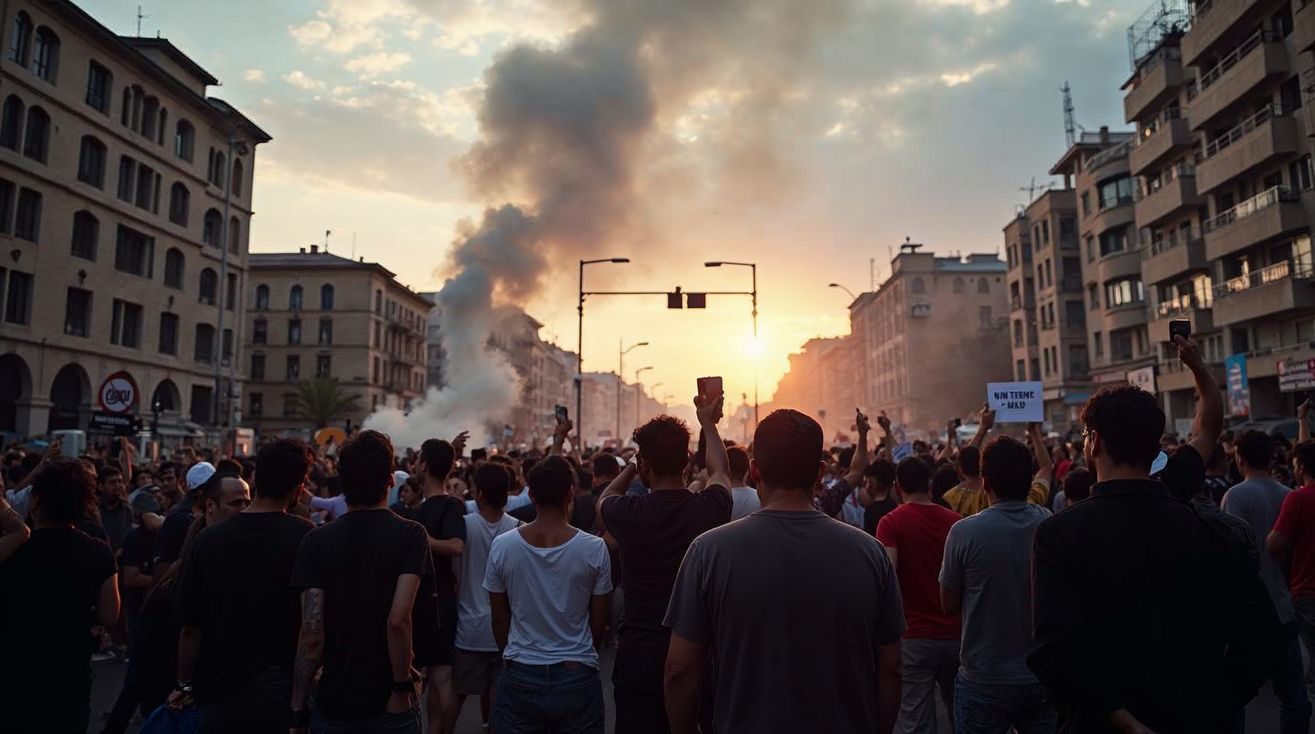
In a world as interconnected as ours, the Arab Spring remains one of those pivotal moments we still grapple with understanding, even now. But what often stands out isn’t what actually happened; it’s how the narrative has, over time, taken on a life of its own. Chat with anyone at a café in Cairo or read an editorial from New York, and you’ll find starkly different interpretations of the events that unfolded across the Arab world during those tumultuous years.
The Origins of an Uprising
The spark—let’s not forget—ignited in Tunisia. It’s both a known story and a misunderstood one: Mohamed Bouazizi, a street vendor, set himself on fire in protest of police harassment. This act of desperation lit a flame of rebellion that spread across a region, revealing deep-seated frustrations about governance, freedom, and opportunity. People took to the streets, and suddenly, the air crackled with the promise of change. But why did these uprisings resonate so far and wide? The grievances, as evident, were not exclusive to Tunisia alone.
According to an in-depth analysis by BBC News, feelings of disenfranchisement and economic hardship had long simmered beneath the surface in many Arab nations. The powder keg was ready, awaiting a spark—a truth frequently echoed in scholarly discussions.
A Tapestry of Individual Stories
What’s often overlooked in broad narratives are the personal accounts—the people who risked everything for a glimpse of a better future. Rami, a young student in Egypt, vividly recalls the electric camaraderie of Tahrir Square. “We believed,” he said simply. But for every Rami, there’s a Maya in Syria, who witnessed aspirations twist into something unrecognizable.
Indeed, the Arab Spring is not just a single story but a tapestry of many, woven with threads of hope, chaos, and despair. Each nation experienced its own version of these events, colored by local politics and longstanding grievances. Could we have ever guessed the outcomes as they unfolded before us? It’s a question that still lingers in many minds.
Missteps and Misunderstandings
The Western world, in particular, often labeled these uprisings as a collective call for democracy. But was it really that simple? Experts caution against this oversimplification. As Middle Eastern historian James L. Gelvin points out, “Western democracies projected their desires onto these movements.” The populations indeed sought change, yes—but the nature of that change was complex and varied.
In Libya, NATO’s intervention introduced yet another dynamic, creating a ripple effect that transformed the geopolitical landscape. Yes, the regime fell, but what followed was chaos rather than the anticipated harmony. This intricate web of intentions and outcomes often escapes the tidy narratives we prefer to weave.
The Legacy of the Arab Spring
Fast forward a decade, and many ask: What was achieved? Tunisia celebrated a milestone in 2015 with its first free and fair parliamentary elections, serving as a beacon of hope amid the backdrop of continued turmoil in other regions. But look elsewhere, like in Syria or Yemen, and the consequences have been far from uplifting.
A video by Al Jazeera embedded below powerfully captures the enduring effects of these uprisings:
This divergent path raises a thorny question: Did the Arab Spring succeed or fail? The answer isn’t straightforward. For some, it was a step towards something new and resilient. Others, understandably disillusioned, see it as a dream dashed.
What lessons can we draw from this chapter? Perhaps it’s a reminder of the power—and peril—of rapid social movements and the importance of listening closely to those directly involved. To really understand, we must acknowledge multiple truths.
Curiosity about the past can guide thoughtful decisions for the future. If you want to delve deeper into the stories behind the headlines, consider browsing through firsthand testimonies or watching detailed analyses like the one above. Let’s keep the conversation going—there’s so much more to discuss and unpack.