The Arab Spring and the Birth of Human Rights Law
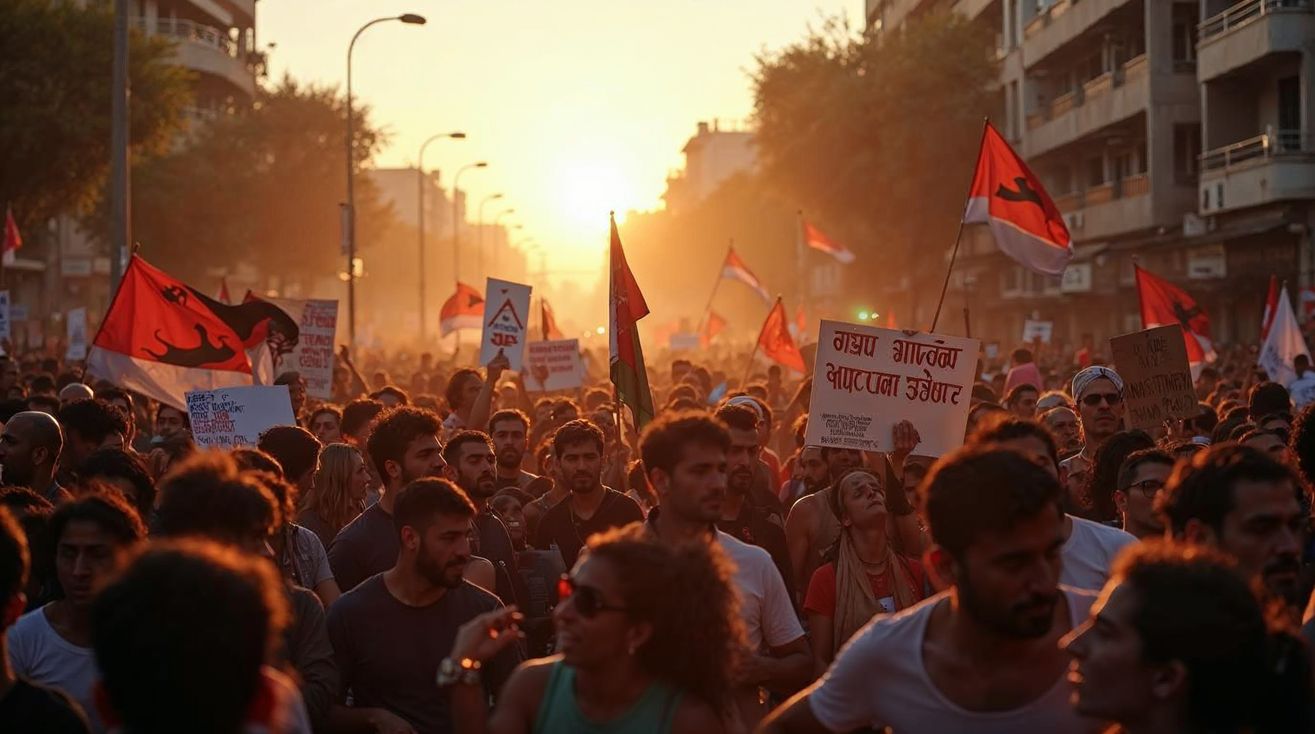
The Arab Spring, a term that’s often thrown around in political discussions, essentially marks a pivotal series of protests that ushered in transformative ideas about human rights. Just imagine the intense emotions on the streets, the chants, the demands—a relentless push for change. This movement didn’t just reshape politics; it created a new era for human rights law.
The Winds of Change
The Arab Spring began in December 2010, with protests rapidly spreading across the Middle East and North Africa. Who could have predicted how such seemingly isolated acts of defiance would ripple across entire regions? It was a time of extraordinary courage, where ordinary people rose up against oppressive regimes. The initial spark? A Tunisian street vendor’s desperate act of self-immolation that resonated deeply with those suffering from government corruption and abuse.
Turning Points in Human Rights
These protests were more than just political upheaval. They threw a spotlight on human rights violations and called for justice. Legal experts around the world watched closely, critically assessing how local laws aligned—or spectacularly failed to align—with international human rights standards. This was a golden opportunity for human rights law to evolve, adapting to the harsh realities exposed by these demonstrations.
According to a report by Human Rights Watch, the Arab Spring catalyzed legal reforms in several countries, including Tunisia and Egypt, as international bodies began to press for accountability and transparency.
A Global Conversation
In the aftermath of these upheavals, human rights became a central theme in international dialogue. Countries and institutions were compelled to reconsider their stances. The social media revolution also played a pivotal role, amplifying voices that had been silenced for decades. Suddenly, there was a global audience ready to listen and support these cries for justice. It’s fascinating—and frankly, a bit electrifying—how a tweet or post could spark international solidarity.
Here’s an informed perspective from Amnesty International: “The Arab Spring has shown the world that when people stand united in their demand for dignity and rights, change is not just possible—it’s inevitable.”
Lessons Learned
Years later, the echoes of the Arab Spring continue to influence legal systems, prompting reforms that incorporate human rights frameworks. The experience taught governments and international organizations invaluable lessons about the power of collective action and the necessity for transparent governance. Even today, you’ll find scholars and legal minds dissecting the events for deeper insights. It’s like piecing together a complex puzzle that offers new layers of understanding every time you examine it.
As a testament to this ongoing dialogue, here’s a video that captures the spirit and complexity of the Arab Spring:
So why does this matter? Because history has shown us that change is not just inevitable—it’s a necessary force for progress. Whether one views the Arab Spring as a success or a series of unfortunate events, its impact on human rights law is undeniable. For those studying or fighting for human rights, understanding these events is crucial. They remind us of the resilience of the human spirit and the boundless capacity for change.
Are you curious enough to dig deeper into the impact of the Arab Spring on today’s human rights landscape? Feel free to explore more about this compelling chapter in modern history—there’s still so much to learn and understand. So why not keep the conversation going?