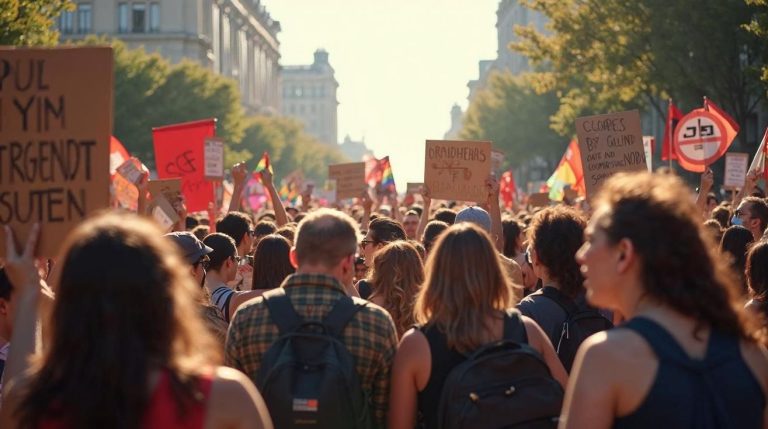
The End of Apartheid: Insights for Today’s Higher Education
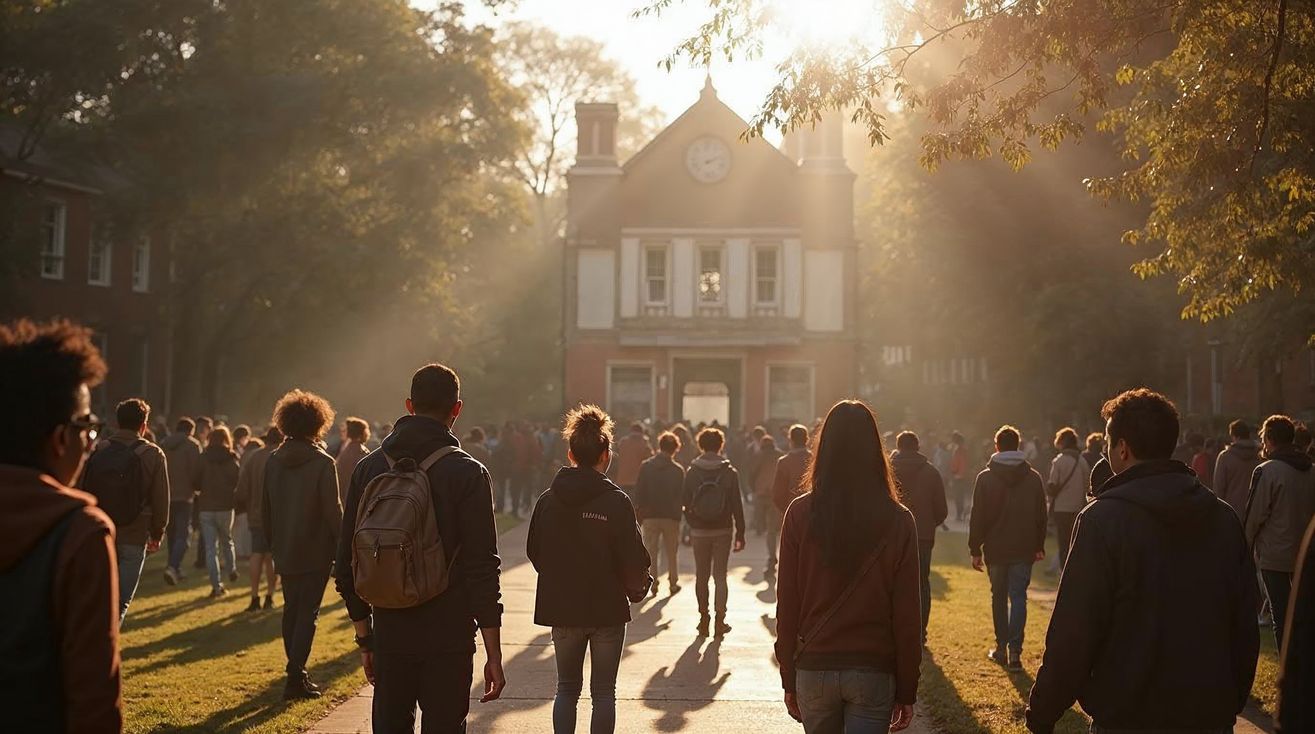
It’s been decades since the era of apartheid in South Africa ended, but the lessons learned from that turbulent period continue to ripple through time. Higher education institutions, in particular, can draw parallels to their own struggles with diversity and inclusion today. But what exactly can academia learn from such a weighty chapter in history? It’s worth a closer look.
A Legacy of Division
Apartheid wasn’t just a policy—it was a lived reality that segregated society fundamentally. Universities played a role in maintaining these divisions, whether by design or compulsion. But today, as we stand at a new crossroads, there’s a pressing need to understand how we might avoid such mistakes. It’s a bit like looking at an old photograph and realizing the implications for the present.
According to a United Nations report, education under apartheid aimed at maintaining inferior standards for non-white South Africans, deliberately stalling progress and propagation of any social change. The lessons here are not just about what happened, but about vigilance against what could happen when equity is denied.
Holding a Mirror to Current Challenges
Fast forward to today, and yes, it’s not quite the same—as many will rightly claim—yet systemic disparities persist in educational attainment across the globe. There is a significant focus now on how universities can address these issues, not by rewriting history, but by openly acknowledging past wrongs and actively seeking inclusive policies. And it’s not just about adding diversity officers or forming yet another committee.
In an illuminating study by the Brookings Institution, they emphasize that to redress these imbalances, institutions must look beyond surface-level metrics. This calls for a deeper change, almost like a cultural shift, challenging but certainly not impossible.
Cultural and Structural Overhauls
One of the most significant takeaways from apartheid’s fall is the transformative power of leadership willing to not just change policy but culture. Imagine, if you will, how a leader’s genuine commitment to remedying educational imbalances could fundamentally alter the student experience. We’re talking about more than lip service—it’s about active participation and accountability.
The spirit of reconciliation and rebuilding that followed apartheid offers a blueprint for reimagining educational spaces as ones of genuine opportunity. But it requires leaders to make uncomfortable decisions and sometimes face resistance from traditional quarters. And yes, sometimes that requires a leap of faith!
An Invitation to Reflect
As we ponder these parallels, it becomes evident that change is complex and, quite honestly, daunting. The end of apartheid was not an immediate solution to the deep-rooted injustices faced by millions, and neither will university reforms be overnight fixes. Yet, as history shows, bold steps are possible.
Consider the recent reflections shared in an interview with South African educators on YouTube. Their experiences remind us that personal and collective growth often comes through patience, persistence, and, when needed, righteous defiance. The echoes from apartheid are more than just memories—they’re calls to action.
The conversation doesn’t end here. Whether you’re an educator, student, or simply someone invested in the future of learning, it’s essential to engage with these stories and reflect on what they mean for our times. Let’s take these lessons to heart, not just as history buffs or academics, but as individuals ready to contribute to a brighter, fairer future for all in education. Where will you start?