Why The Birth of the European Union Still Impacts European Integration Today
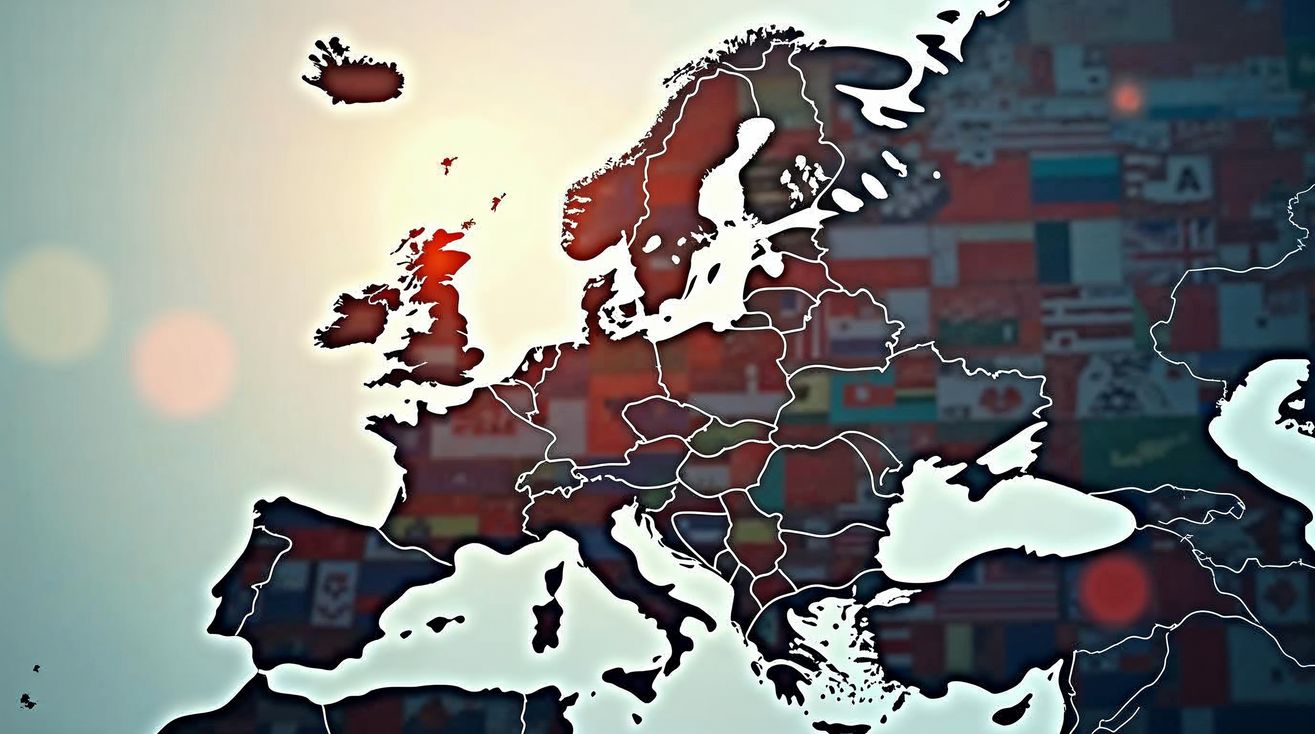
The Evolution of the European Union: A Journey Marked by Challenges
When it comes to the European Union (EU), many see it as a symbol of unity and cooperation. But let’s face it, the road has been anything but smooth. Established in the aftermath of World War II, with hopes of preventing future conflicts, the EU’s beginnings are indeed a testament to the tenacious spirit of diplomacy—and, honestly, there’s a lot to unpack. This monumental journey of European integration has been fraught with both headway and setbacks. But why does its inception continue to cast such long shadows over its progress today?
The Inception of the European Union: An Idealistic Dream?
Back in the late 20th century, the visionaries behind the EU were driven by a simple, yet revolutionary idea: to create a unified Europe. Imagine the courage it took, especially in a landscape scarred by war. The Treaty of Rome, signed in 1957, marked the dawn of this ambitious era, laying the groundwork for what the EU would become. According to a European Commission overview, the objective was to weave economies so tightly together that war between member states would be virtually impossible.
Despite its progressive strides, Europe faced skepticism. Some countries were hesitant, clinging to national sovereignty like a cherished heirloom. And yet, for others, the lure of economic stability and peace was too compelling to resist.
Challenges Along the Way
Fast forward to today, and the European Union remains a fascinating study in collaboration and compromise. However, it’s not without its growing pains. The infamous Brexit saga, for instance, revealed the seismic shifts within EU dynamics. Critics argue that the union, by pooling national authorities for a supranational agenda, sometimes alienates the average citizen. Were the founding fathers too utopian in their vision?
An oft-quoted assessment by the European Parliament shows a mixed bag of public opinion towards EU regulations. It turns out, even policies intended for collective benefit often stir a hornet’s nest. Some citizens feel drowned by bureaucracy, while others worry about diluted national identity.
Europe’s Economic Ballet: A Delicate Balance
The economic sphere, much like an intricate ballet, requires EU nations to perform in harmony. The adoption of the euro was supposed to be a panacea for trade discrepancies. However, it isn’t always a perfect dance. Economic disparities still exist among member states, bringing tensions to the forefront like a discordant note in a symphony.
The stability of the eurozone, a longstanding concern, underscores the tightrope the union walks daily. A European Central Bank report highlights how financial integration aims to strengthen economic resilience, but disparities can still exacerbate issues in times of crisis.
Forging Ahead: The EU’s Future
So where does the EU go from here? Can it adapt to the modern challenges without losing the core of its dream? In a rapidly shifting global landscape, flexibility and innovation could spell the difference between stagnation and revival.
As climate change necessitates greener policies and technological advancements reshape economies, the EU’s ability to pivot and embrace change is crucial. But perhaps most importantly, it’s about the people. Realigning the union’s vision with the aspirations of its citizens could make all the difference.
In the words of a renowned EU analyst, “A union is only as strong as the trust it garners among its constituents.” Navigating the labyrinth of integration while keeping the spirit of unity alive will not be easy. Yet, if history tells us anything, it’s that Europeans are nothing if not resilient.
In the end, isn’t life about finding common ground amidst our differences? Engaging in an open conversation about the EU’s past, present, and future is a step toward understanding the complex fabric that holds Europe together.
There’s no denying it’s quite a task, so why not join the ongoing dialogue? What’s your take on the future of the European Union? Engage with us and others to shape the story yet to unfold.