The Long Shadow of The Global Financial Crisis in Cultural Wars
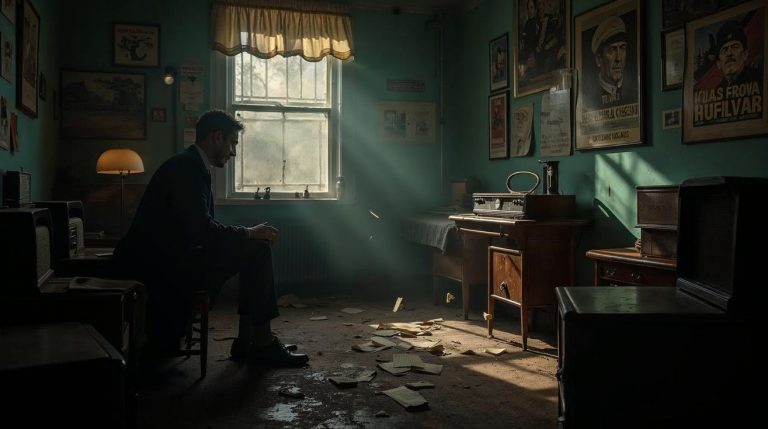
Before dawn even breaks, a simple word can trigger a fierce debate: “culture.” While for some, it sparks images of galleries or historic dramas, for others, it evokes the simmering tensions between shifting values and entrenched beliefs. The aftermath of the global financial crisis isn’t just an economic or political monument, but a cultural one too, casting a long, pervasive shadow across present-day culture wars — a wide-reaching skirmish over identity, history, and future.
Unearthing Economic Roots in Culture Wars
The Global Financial Crisis of 2008 tore through economies like a raging storm. It left in its wake a profound sense of uncertainty that extended beyond mere numbers and markets. According to a Brookings Institution analysis, this was a catalyst for a broader identity crisis. All of a sudden, longstanding norms seemed unstable; the conventional truths began to crumble. It’s no wonder that culture, which is our reflection on society’s mirror, began to show cracks.
The economic downfall unearthed deep-seated anxieties about inequality, migration, and shifting demographics. People who had once felt secure in their societal roles were suddenly questioning their place. These fears, though often quiet whispers, have become louder with time. And honestly, isn’t it peculiar how economic shifts can morph into cultural ones?
The Identity Battlefield
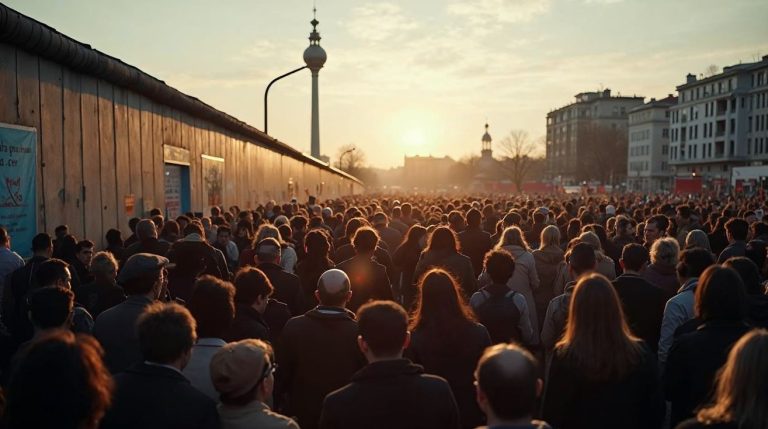
In this cultural cauldron, identity and heritage became prized shields and swords for various factions. One could argue that culture wars are, at their very core, battles over who gets to tell the story of society. In towns and cities across the nation, debates erupted: What statues deserve our reverence? Whose histories should fill our school books? It’s a poignant reminder that culture is not static; it’s dynamic, it evolves like a living organism.
Scholar Timothy Breen notes that the crisis turned attention inward — toward national heritage. He argues that such introspection can rejuvenate cultures but also fuels division when paired with fear and distrust. These are precisely the cracks through which division seeps.
Art’s Resilient Voice
Yet, in the cacophony of conflict, art emerges as both a reflection and a salve. Frankly, it’s fascinating — really fascinating — to witness how artists across mediums grapple with the narratives of our time. From poignant films to provocative installations, art provides a space where society can engage with its deepest fears and simmering hopes without immediate real-world consequences.
The crisis’ shadow has cast a long silhouette over art as well. A recent MoMA exhibition showcased pieces highlighting financial instability and resilience. It’s in these galleries that you can almost hear the artists whispering: “Reflect, rethink, reimagine.”
Navigating the Echoes of Crisis
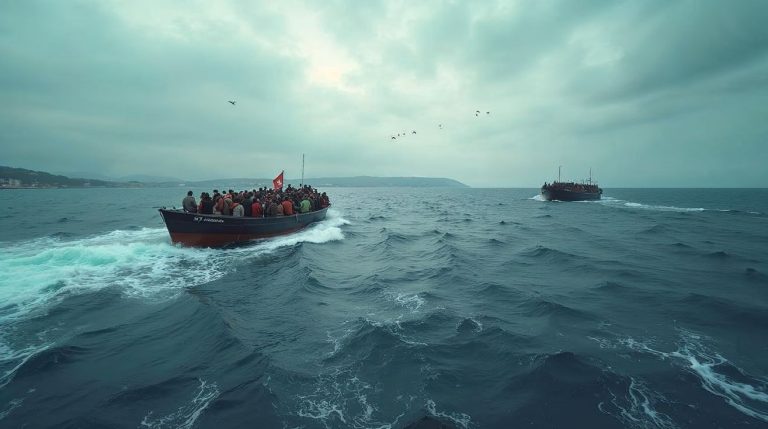
Navigating these cultural currents is tricky — like steering a ship through murky waters. We’re reminded, time and again, that economic forces don’t just move markets. They realign values, stir emotions, and change stories. In many ways, the battle over culture is a search for solid ground amidst uncertainty; an embrace of time-honored traditions with a modern twist.
Each of us, whether we realize it or not, plays a role. We *choose* which stories we amplify, what voices we silence, and where we place the spotlight. Can we, as a society, learn to see these tensions as opportunities for growth rather than lines drawn in the sand?
So, how do you see the cultural landscape evolving? Will the shadows of past crises lead us to new dawns of understanding and empathy, or deeper divides? Join the conversation — your thoughts might just illuminate the path forward, and who knows, you might even inspire change.