The Story Behind The Birth of the European Union
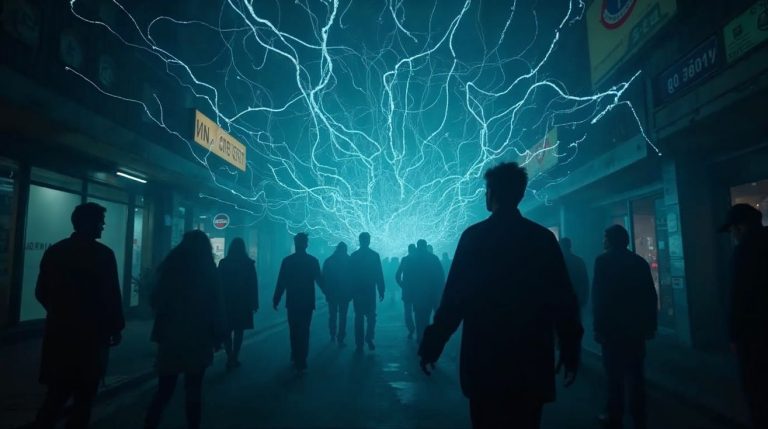
Sure, let’s craft a compelling, human-centric narrative with a dynamic twist for our topic. Imagine the scene: a bustling urban landscape filled with the chatter of diverse languages and a vibrant history echoing through Europe’s cobblestones. It was amid this backdrop that the idea of the European Union was born—a vision shaped by unity and turbulent historical events.
The post-war era was a time of rebuilding and introspection for many European nations. They looked beyond borders to grasp the seeds of a collective future, one where collaboration would replace centuries of conflict. Understanding this intricate past not only enriches our sense of history but also offers a lens through which we can view current geopolitics. So, let’s dive into the complex tapestry of events and ideas that led to the birth of the European Union.
The Storm Before the Calm
To truly understand the birth of the European Union, one must first acknowledge the tumultuous history that prompted the creation of such a coalition. The continent was ravaged by two world wars, leaving a landscape pockmarked by economic depression and political disunity. It was clear that something had to be done—and fast.
In a forward-thinking move, key figures began to plant the seeds of European integration. According to a record from the European Union, this was the time when leaders like Robert Schuman and Jean Monnet began discussing the possibilities of pooling resources like coal and steel, fundamental to any war effort, to ensure that no single nation could wage such devastating conflict again.
But let’s pause for a moment—these weren’t just strategic decisions. They were infused with a profound emotional urgency that can only come from having witnessed the horrors of war firsthand. One can almost hear their emotional plea for peace, echoing across treaty chambers and state corridors.
Setting the Wheels in Motion
In 1951, the European Coal and Steel Community (ECSC) was established, comprising six countries: Belgium, France, Italy, Luxembourg, the Netherlands, and West Germany. It was a pivotal step—many would say unexpected yet necessary—towards creating a single market. And surprisingly, it worked.
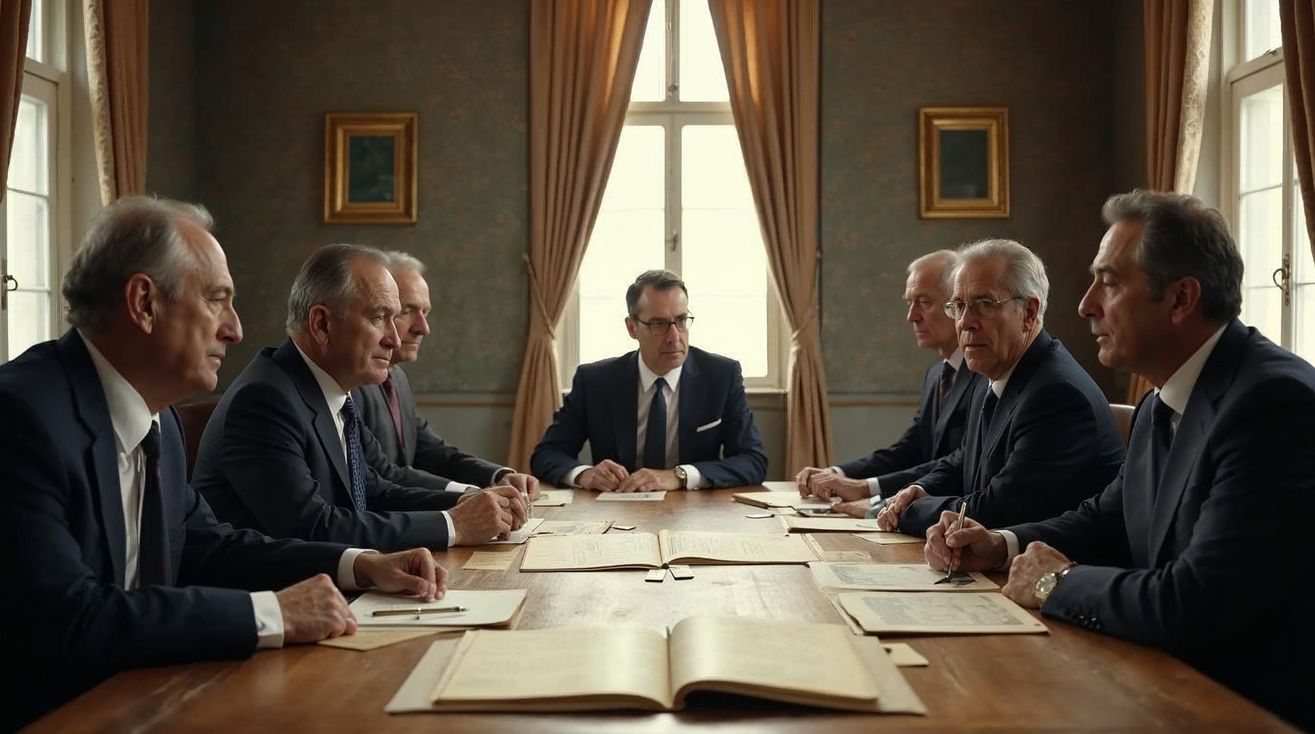
The ECSC laid the groundwork for subsequent treaties, but forming a robust union was no small feat. Imagine a negotiation table where every participant comes with centuries of deeply held national pride and, occasionally, old grudges. It demanded compromise, patience, and a fair share of optimism that such diversity could indeed coalesce into harmony.
The success of this economic alliance opened up new diplomatic avenues and, frankly, allowed the member states to breathe a sigh of relief. The collaboration kindled a rare cross-national fellowship and blinkered hope for political unification. A report by the European Commission calls this period a “community of peace.”
Unveiling the European Union
Fast forward to 1993, with the signing of the Maastricht Treaty, and suddenly the European Union stood on the world stage—the result of decades of tenacious effort. This treaty not only established the EU but also outlined the roadmap for economic convergence and a single currency, among other ambitious goals.
Yes, the euro came much later in 1999, but the Maastricht Treaty was the real harbinger of change. It was an agreement that extended beyond diplomacy into the everyday life of citizens. It was about looking each other in the eye and saying, “We share a common destiny.”
The emergence of the EU was akin to a phoenix rising from ashes, its allure in the striking balance between autonomy and unity. René Renou, a noted economist, captured this sentiment at a pivotal moment in history: assessing the effectiveness of the Treaty across both political and economic spheres.
A Future Built on Shared History
Today, the EU faces a different set of challenges, from digital transformation to geopolitical shifts. And yes, with these come new opportunities and renewed debates about what it means to be a coalition of independent nations. But the essence remains: a commitment to grow stronger together than apart.
A visual recount such as in this following video gives a sense of the EU’s evolving journey:
And so, as we look back on its origin, the European Union stands as a testament to the power of cooperation in the pursuit of peace and prosperity. Sure, the landscape’s changed from when it first began, but the core vision remains unchanged. What new chapters await? That, my dear reader, is a story still unfolding.
Intrigued by the EU’s evolution or inspired by its journey? Stay connected to learn more about such transformative stories.