How The Arab Spring Influenced Modern Human Rights Law
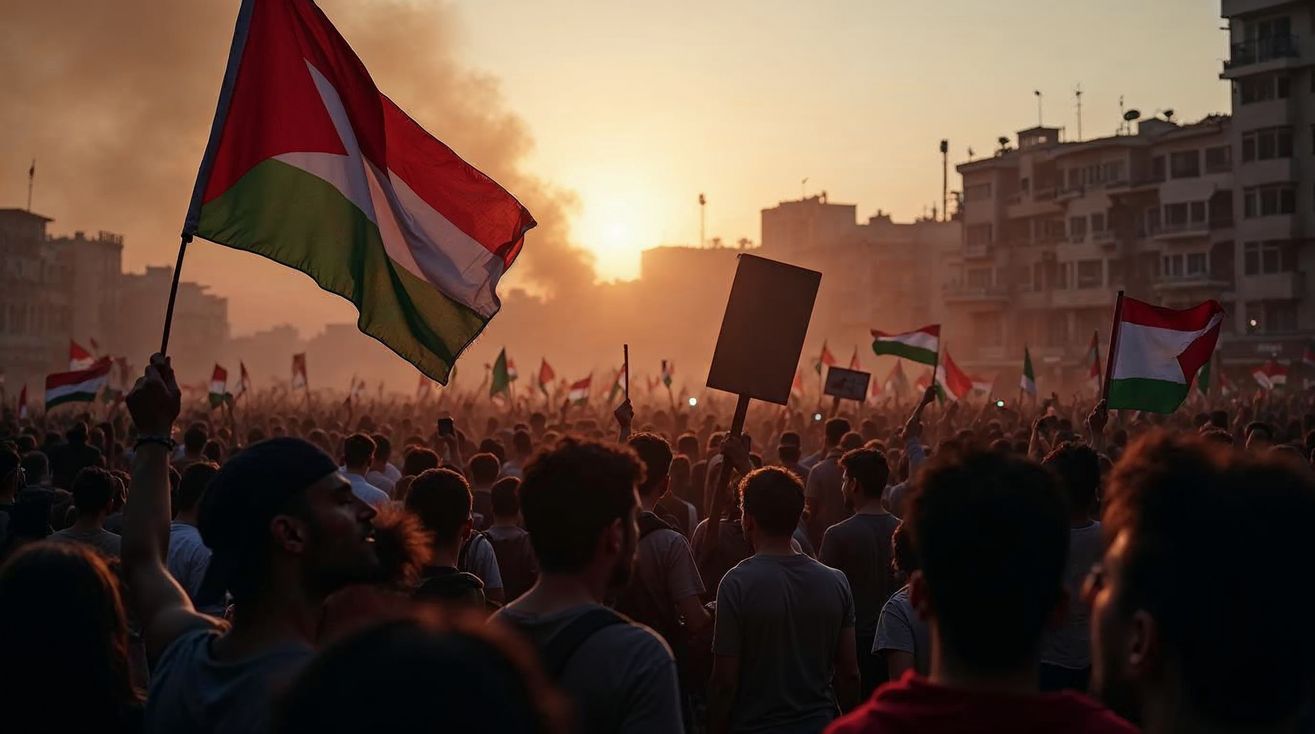
The Arab Spring, a movement born out of frustration and a burning desire for change, transformed the landscapes of several nations. It began in 2010 and rippled across the Arab world, altering both political dynamics and human rights laws. But you may wonder, what legacy did it really leave behind after the dust settled?
The Catalysts of Change
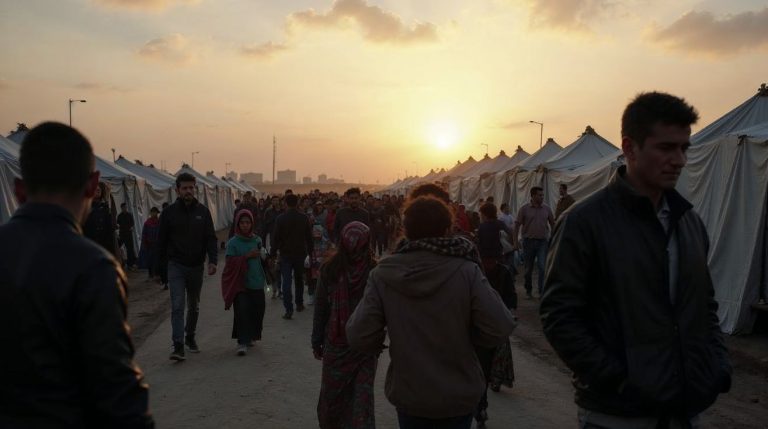
The Arab Spring was ignited in Tunisia when a street vendor, Mohamed Bouazizi, set himself on fire in protest. His act of desperation became a symbol of the pervasive corruption, high unemployment, and lack of political freedom that plagued many Arab nations. Within weeks, people in Libya, Egypt, Yemen, and beyond rose up, demanding their rights to freedom and dignity. And remarkably, these demands began to reshape modern human rights law.
Legal Reforms Across Nations
It wasn’t long before governments started to feel the pressure. In Tunisia, the birthplace of the movement, there were considerable legal strides. New constitutional laws were drafted, emphasizing human rights and the rule of law. Tunisia’s 2014 constitution is hailed as one of the most progressive in the Middle East regarding women’s rights and equality.
But it wasn’t all smooth sailing. Egypt, after initial gains, saw setbacks with a military coup, leading to a more restrictive regime. Libya descended into chaos with ongoing civil strife that stalled legal reforms. The experiences were varied, yet they share a commonality: the push for human rights triggered legal reconsideration, even if the results were uneven.
The International Ripple Effect
Beyond the local impact, the Arab Spring caught the world’s attention. International organizations like the United Nations began to take a closer look at the authoritarian regimes in the region and their human rights records. Pressure from global watchdogs pushed some governments to make concessions, while others simply hardened their stances.
According to a Human Rights Watch report, the movement compelled many nations to acknowledge the undeniable connection between governance and human rights. It wasn’t just for the benefit of the international audience; nations recognized the power and potential of an informed and mobilized populace.
Lessons Learned and Future Prospects
In making sense of the Arab Spring, it becomes evident that change, especially in entrenched systems, is a slow, unpredictable journey. Yet, the lessons learned are valuable and ongoing. It’s about keeping the momentum and not underestimating the impact such movements can have over time.
Constitutional amendments and laws focusing on human rights were significant, though not entirely stable. The journey is long, but as history shows, persistence can eventually pay off.
To truly understand the complexity and depth of these changes, here’s a profound reflection by former UN Secretary-General Ban Ki-moon, who noted that “a spark in one nation can ignite a flame of hope for peace and justice worldwide.”
Conclusion
The Arab Spring’s lasting influence on human rights dawned from urgency and sparked a conversation that continues to this day. For activists and citizens fighting for justice and fairness, there’s a renewed sense of purpose and urgency. It was a pivotal moment, one that demonstrated the power of the people when united and determined.
If there’s one takeaway, it might be this: Change is possible, but it demands conviction and resilience. Keep the conversation alive — share the stories and lessons of the Arab Spring, and be inspired to foster change in your own community. After all, today’s small voices often become tomorrow’s resounding movements.