What We Misunderstand About Empire and Decolonisation
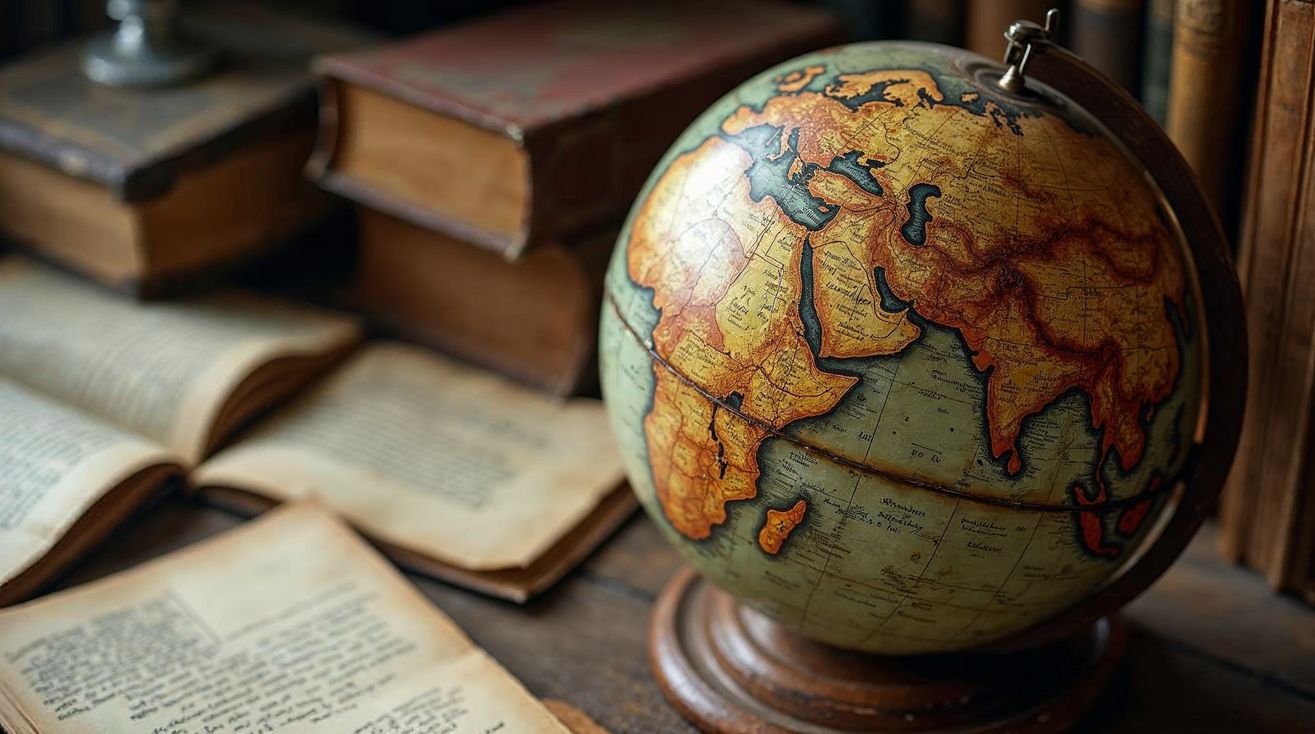
In a world that often grapples with the complexities of history, the twin narratives of empire and decolonization are like ghosts that haunt our shared memory. Whether you’re sitting in a classroom, scrolling through social media, or engaging in a lively debate with friends, these topics almost inevitably arise — and not without controversy.
Yet, as we unpack these tangled stories, we continually find ourselves making surprisingly common missteps. Let’s take a moment to dig deeper and explore what we often misunderstand about empire and decolonization, a topic that’s as relevant today as ever. After all, understanding our past is the compass to our future.
The Myth of the Benevolent Empire
One of the most enduring myths is the idea of the so-called “benevolent empire.” It’s fascinating how some narratives still depict empires as great civilizers, mappers of the uncharted corners of the world. The story goes that they brought railways, infrastructure, and modern governance. However, this romanticized picture often omits the violence, the economic exploitation, and cultural erasure that were equally part of this legacy.
Historians like Shashi Tharoor (who has been quite vocal about Britain’s colonial atrocities) have noted that the darker sides of empire are all too easily glossed over in many accounts. It’s a narrative that comforts those unwilling to confront the past in all its unpleasant complexity.
Decolonization Isn’t Always a Clean Break
Another common oversight involves how we perceive decolonization. We often think of it as a clean break—a nation, once colonized, gains independence and immediately flourishes into a self-sustaining democracy. But, and here’s the kicker, this is rarely the case.
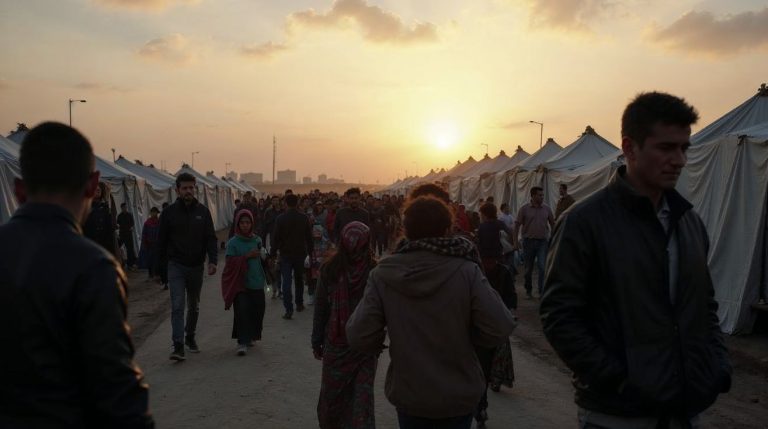
The process of decolonization is messy, tangled in the throes of economic dependence and political instability. Many former colonies were left without the necessary resources to rebuild their societies from the rubble of their colonial past. According to a UN report, the aftermath of colonization often leaves behind a fragile infrastructure, prone to collapse without external support. It’s a reality check to think that the end of colonial rule doesn’t always equate to immediate stability.
The Power of Cultural Narratives
Cultural narratives hold immense power in shaping our understanding of empire and decolonization. The arts, literature, movies — even the school curriculum — can bolster or break the simplifying myths that we buy into. You’ve probably noticed it yourself: how often do news stories or history books focus solely on the European perspective?
Without a doubt, hearing the voices of those who lived through colonization offers invaluable insights. First-hand accounts, memoirs, and indigenous literatures provide a more balanced view, reminding us that the story of empire and decolonization is global, not just Eurocentric. As more voices join the conversation, the narrative grows richer, though the challenges of incorporating these diverse perspectives into mainstream discourse still persist.
Unraveling Modern Impacts
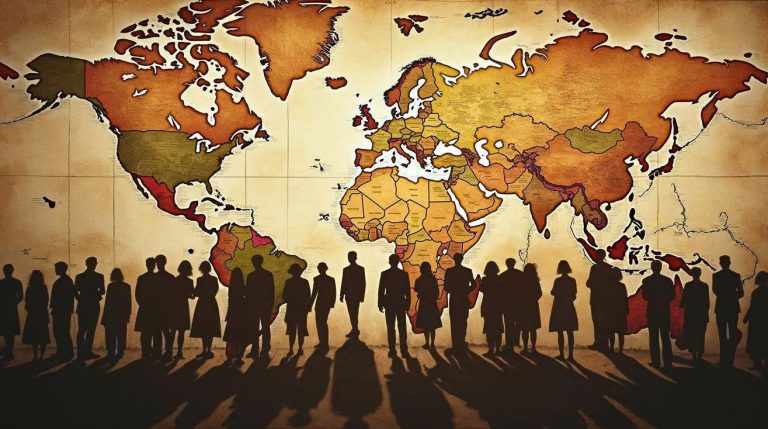
When we talk about empire and decolonization, we’re not just dwelling on the past. Their legacies echo in today’s political tensions, economic inequities, and social justice movements. For instance, the borders drawn by colonial powers continue to spark conflicts around the world. Social structures imposed during imperial rule often set the stage for societal divides that challenge us even now.
With the global rise of movements advocating for racial and cultural equity, it’s increasingly crucial that we revisit and revise our understanding of these legacies. It’s about more than rewriting history textbooks; it’s about learning to navigate decisions and conflicts in today’s world equipped with the full, unvarnished story.
If you’re curious to dive deeper into these narratives and see this conversation evolve, you might explore this eye-opening YouTube video that brings some of these issues to light:
Beyond engaging with these topics in our conversations, it’s crucial to explore, read, and challenge our own perceptions. Whether it’s sitting down with a gripping book on colonization’s complexities or watching a documentary that sheds light on untold stories, it helps to keep asking questions, dig deeper, and share what we learn. After all, examining history with curiosity and empathy is one of the most powerful ways to shape a fairer future. Let’s keep the dialogue going, shall we?