The Long Shadow of The Iraq War in International Governance
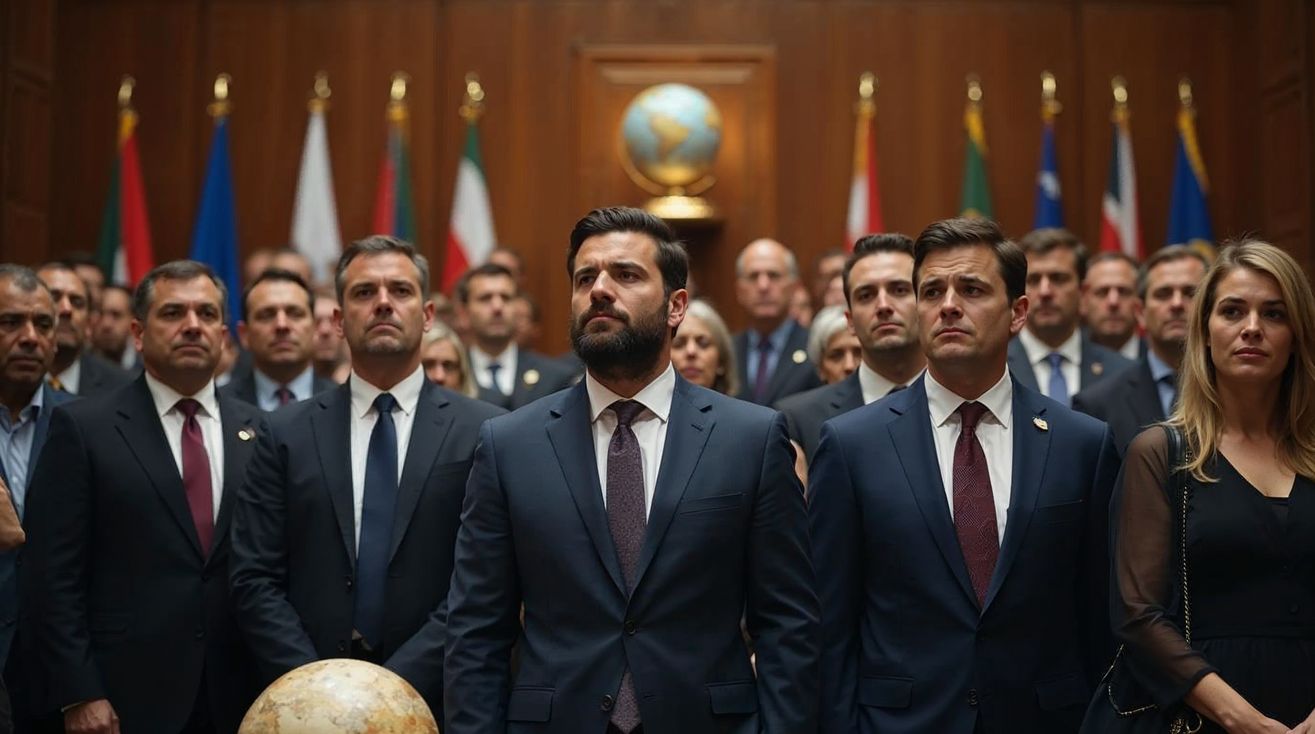
Even after two decades, the reverberations of the Iraq War continue to ripple across global landscapes, molding international strategies and policies in ways some find surprising — or perhaps not. That conflict, with all its complexities and controversies, holds a special place in the annals of history, not just as a war but as a watershed moment that deeply impacted global governance.
Shifts in Diplomatic Priorities
When the first tanks rolled into Baghdad in 2003, the world watched with bated breath. But beyond the immediate chaos, a subtler shift was taking place. Diplomatic agendas shifted dramatically as nations grappled with uncertainties. It was not just about military might anymore; it was about alliances, trust, and a reconsideration of old partnerships. The war challenged the norms of mutual cooperation, leading several countries to rethink their strategic positions. According to a Council on Foreign Relations analysis, the reshaping of alliances and treaties in the early 2000s can be traced back, in part, to the events initiated by this war.
A Surge in Multilateralism
Interestingly, the unilateral action by the coalition forces birthed a newfound appreciation for multilateral decision-making. Many nations, observing the geopolitical dance, realized that the era of acting alone could lead to isolative consequences. As a result, there was an evident pivot towards international collaborations. Organizations such as the United Nations saw renewed engagement, with countries eager to share the burdens and risks of new ventures. One senior diplomat confessed during a recent conference, “The realization struck us that working together, albeit challenging, was a must.”
The Rise of Non-Traditional Security Concerns
Yet, perhaps one of the most underplayed consequences of the Iraq War is the spotlight it placed on non-traditional security threats. The conventional battlefield concerns — troops, tanks, and territories — were joined by cyber threats, terrorism, and misinformation. The war taught the world that challenges were evolving, and so must the strategies to tackle them. A well-circulated NATO briefing delves into adapting to the digital age, emphasizing the necessity birthed partly by lessons learned post-Iraq.
Economic Impacts and Realignments
From a financial perspective, the Iraq War incurred astronomical costs, not just for the nations directly involved but globally. National economies needed adjustments; budgets were redrawn with defense allocations soaring while other needs were sidelined. The ripple effects influenced global trade patterns, with many nations reconsidering their economic partnerships. There’s a reason why financial pundits often refer to the early 2000s as an economically transformative era. Experts, like those from the Economist, frequently discuss these global shifts and their long-standing ramifications.
Lessons for the Future
Ultimately, the most profound lessons from the Iraq War are etched in history books and the memories of those who endured its aftermath. Perhaps, as a somber reminder, it emphasizes the importance of cautious diplomatic deliberations and comprehensive strategy-making. The world stands witness to the fact that conflicts, even with precise objectives, have unpredictable and long-lasting outcomes. You can’t help but wonder, are we prepared to learn from these lessons?
If anything, the Iraq War serves as a touchstone for future international relations, highlighting the flashpoints and pitfalls. Months, years, decades from now, its lessons will continue to teach those willing to listen. For those deeply invested in understanding global dynamics, it’s vital to dig deeper and keep questioning.
Want to explore more of these global ripples? Follow our newsletter for insightful stories and expert opinions.