The History Behind The Iraq Conflict
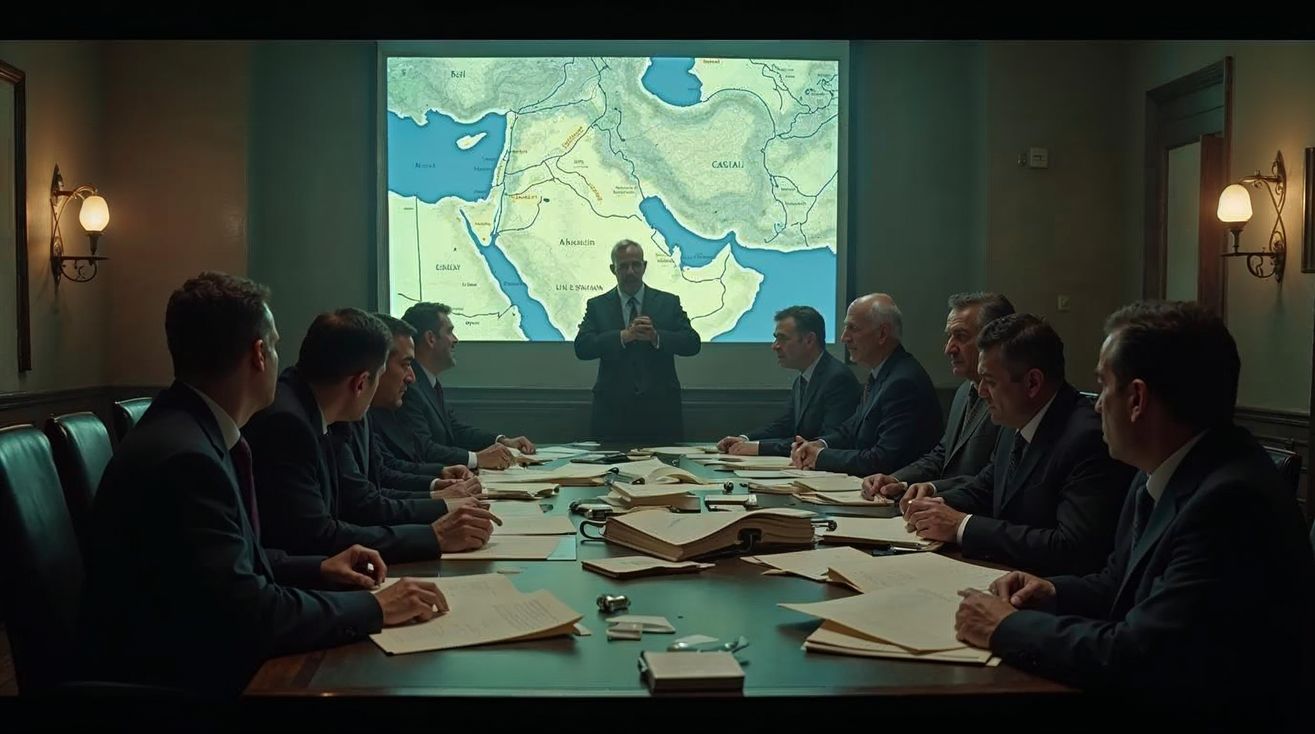
There’s something perplexing about turning points in history, those moments that ripple through time with lasting effects. The Iraq War, or let’s say “conflict,” much discussed and debated, stands as one of those moments. This wasn’t a fleeting headline, after all. It’s a chapter that has shaped the contemporary Middle East and continues to influence global affairs. So, what’s the real story behind it?
The Prelude to Conflict
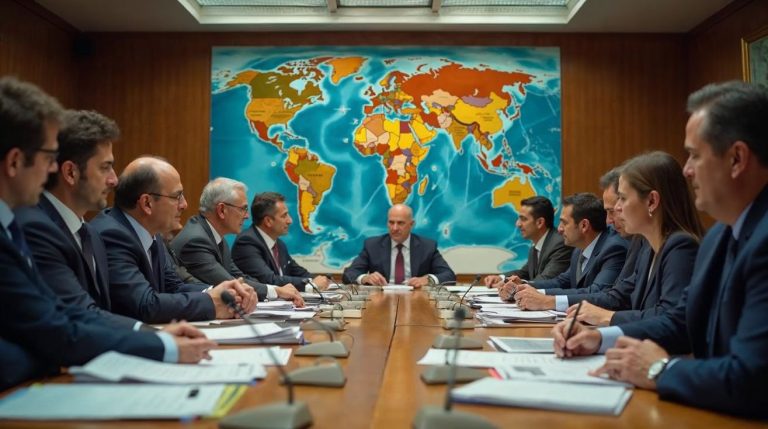
Before bombs began falling and troops were deployed, there was a brewing storm of complex geopolitics. The Gulf War in the early ’90s had left a lingering shadow over Iraq, as the regime of Saddam Hussein clashed with world powers. The United Nations aimed to halt Iraq’s pursuit of weapons of mass destruction through rigorous inspections, but the dance between diplomacy and armament hunts was never a smooth one.
The murky intelligence reports and the drumbeat of war were palpable. In 2003, *the tension reached a boiling point* with claims of non-compliance from Iraq regarding those same inspections. The world watched closely as the United States, with backing from a coalition of nations, moved closer to military action. What was driving this? Besides WMDs, there was talk of liberating Iraqis from tyranny, promoting democracy, and securing regional stability—ideas as idealistic as they were contentious.
The Start of the War
March 20, 2003, marked the beginning of the Iraq War. History books detail the “shock and awe” strategy—a quick and decisive show of force. Ground troops swiftly entered the country, taking control of Baghdad quicker than many anticipated. With Saddam Hussein’s regime toppled, one might think the job was done. But, the real test was just beginning.
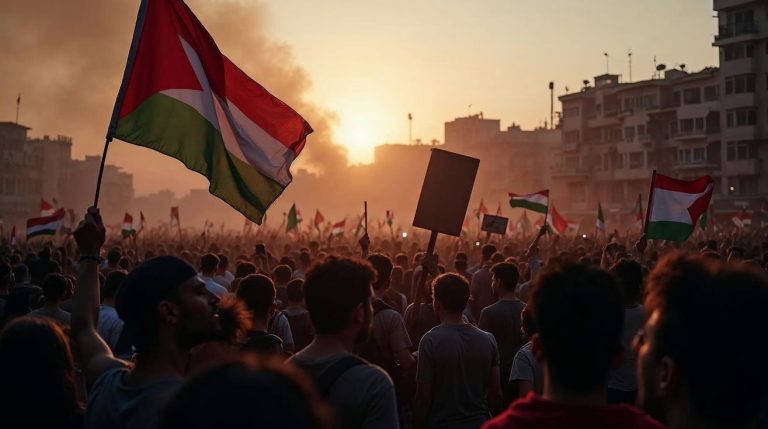
The immediate aftermath was chaotic. The vacuum left by Saddam’s fall unleashed deep-seated sectarian tensions. A nation divided by internal rifts—Sunnis, Shias, and Kurds—each with their own historic grievances, ambitions, and fears. The dream of a new democratic Iraq quickly confronted harsh realities as insurgencies and civil strife took root. A piece of the puzzle missing in initial plans, perhaps, but the price was steep.
Rebuilding Iraq
With the government dissolved and chaos intensifying, the question loomed: how do we rebuild? Plans for reconstruction faced numerous barriers—looted infrastructure, resurgent militant groups, and a wary public skeptical of foreign presence. The Coalition Provisional Authority, which governed temporarily, faced a Herculean task. Every decision seemed to invite fresh controversy.
The 2004 insurgency surge highlighted just how volatile the situation was. An emboldened Al-Qaeda found fertile grounds for recruitment and growth. Meanwhile, U.S. forces and their allies struggled to maintain peace, leading to a lengthy military presence that extended years beyond many projections.
The Legacy and Lessons
As it stands, the Iraq War is a complex tapestry of successes, failures, and lessons learned—or, unfortunately, not learned. The loss of lives, the staggering financial costs, and the faltering stability in parts of Iraq tell a sobering narrative. Yet, amidst the turmoil, there are stories of resilience and rebuilding, small glimmers of hope among the wreckage.
For historians and political analysts, this chapter offers a real-time study in international relations, the pitfalls of foreign intervention, and the unpredictable nature of nation-state rebuilding. According to a Brookings Institution analysis, these lessons are crucial as the world faces similar challenges elsewhere.
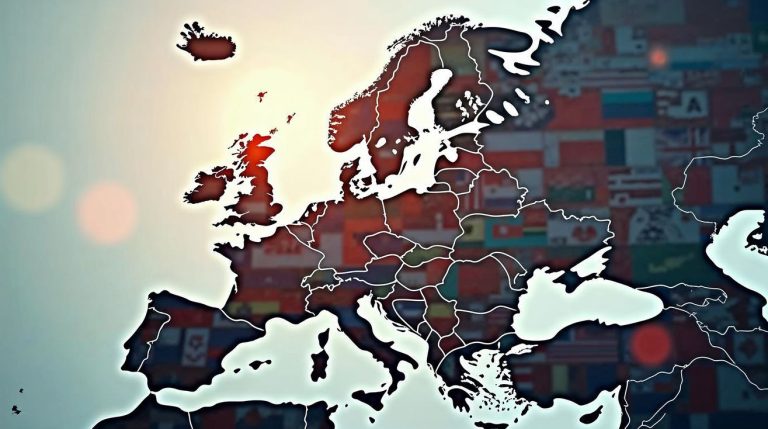
To further understand this domino effect, a glance at the regional panorama post-Iraq War is telling. Neighboring countries have had to navigate a shifting landscape of alliances and threats, something the global community is still grappling with. It’s not just about one war—it’s about the tremors it sent worldwide.
Looking back, how do we measure the merit of decisions made in those fateful years? The collective hindsight serves as a cautionary tale for the present and future leaders faced with the complexities of world affairs.
Ultimately, the Iraq War is a reminder of how rapidly intricate situations can evolve, shaping lives for decades. It’s a story of intentions clashing with reality, making it all the more vital for us to listen, learn, and, where possible, forge a path of peace over conflict. Here’s to hoping for a future where lessons lead to wiser choices.
Have thoughts on the Iraq War or its impact? Share your perspectives with us—every voice adds depth to our understanding of this significant chapter.