Remembering the Civil Rights Movement in an Era of Migration Policy
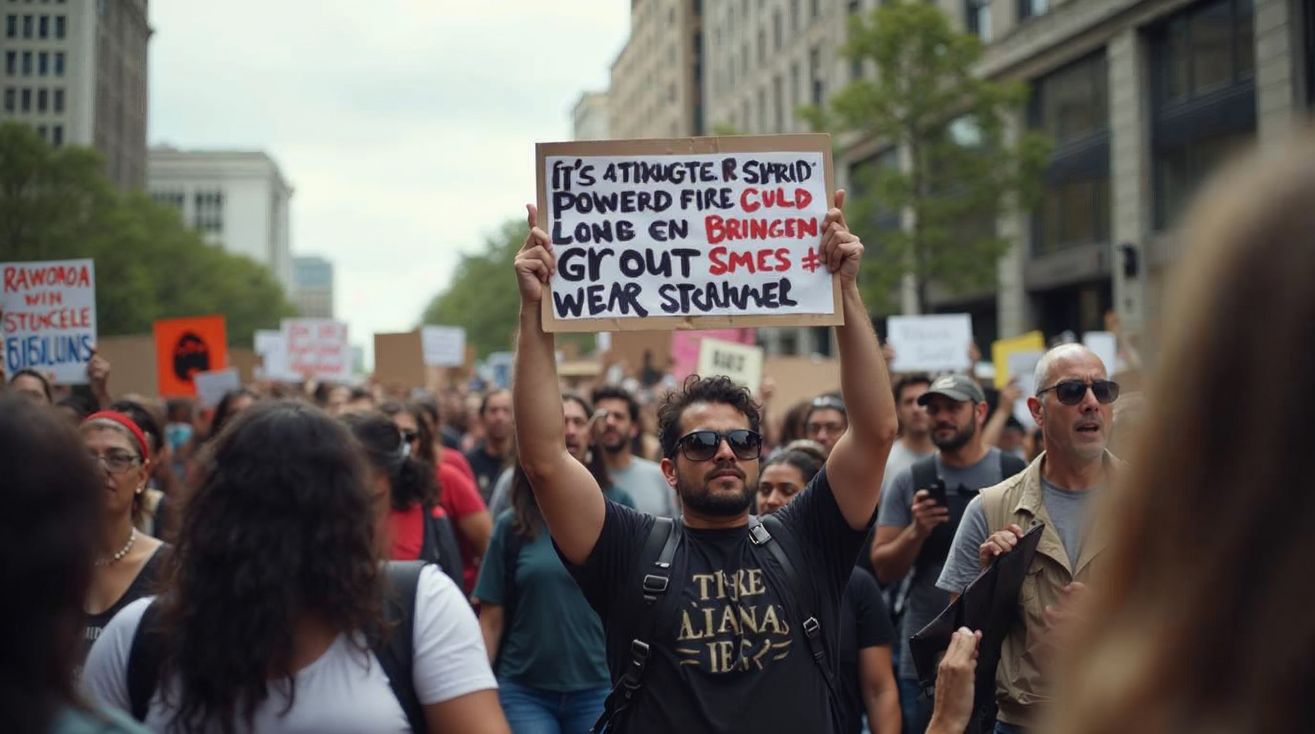
The air was thick with anticipation as civil rights leaders took their places at the front lines of protests and sit-ins. Yet today, the legacy of that era of change seems to blend into the tumultuous landscape of modern migration policies. And, well, here’s the thing — it’s not just a history lesson or a footnote in some dusty old textbook. It’s deeply personal for a lot of us, still shaping everyday realities.
The Civil Rights Movement: A Historical Perspective
The Civil Rights Movement, which surged through the United States during the fifties and sixties, fought to dismantle systemic racism and secure equality for African Americans. The struggle was monumental and, as many have said, life-altering. It cultivated iconic figures like Martin Luther King Jr. and Rosa Parks, whose courageous actions forged a path toward a more just society.
These leaders weren’t just figureheads; they were the heart and soul of a mass movement that called for justice. Take Rosa Parks. On December 1, 1955, her refusal to give up her bus seat wasn’t a mere act of defiance — it was a spark that ignited an unstoppable wildfire. And honestly, it’s moments like these that are indelibly etched in the annals of history.
As you walk through this narrative, you’d stumble upon images — archival photos of marches and placards demanding justice. It’s breathtaking, really, and not in the way a landscape grips you, but because these moments still echo profoundly today.
The Modern Age of Migration Policy
Fast forward to the present, and we are grappling with another form of justice and equality — the intricate web of migration policies. Have you ever noticed how these policies sometimes feel like they’re tugging at the threads of society’s fabric? Sometimes pulling, sometimes unravelling. According to the Pew Research Center, immigration policies in the U.S. have undergone significant changes, especially in recent years, shaping communities and families in deeply personal ways.
And here’s an inconvenient truth: the policies of today tend to mirror, in peculiar ways, the segregation and exclusion of the past. It’s as if history has this knack for repeating itself — a reminder that justice is an ongoing pursuit, not a destination.
Intertwining Histories, Intersecting Struggles
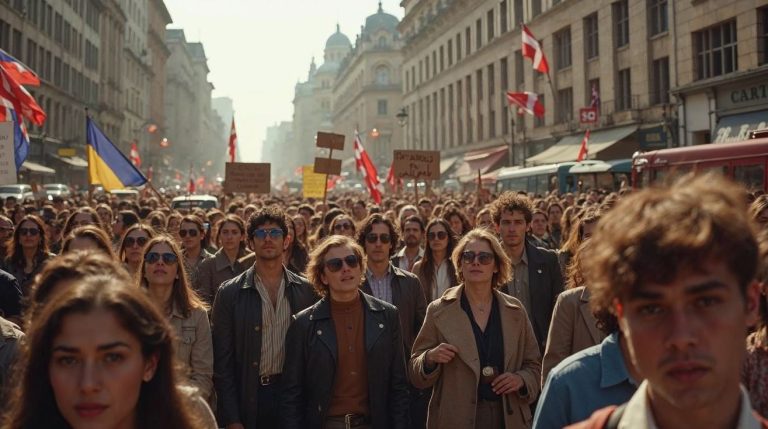
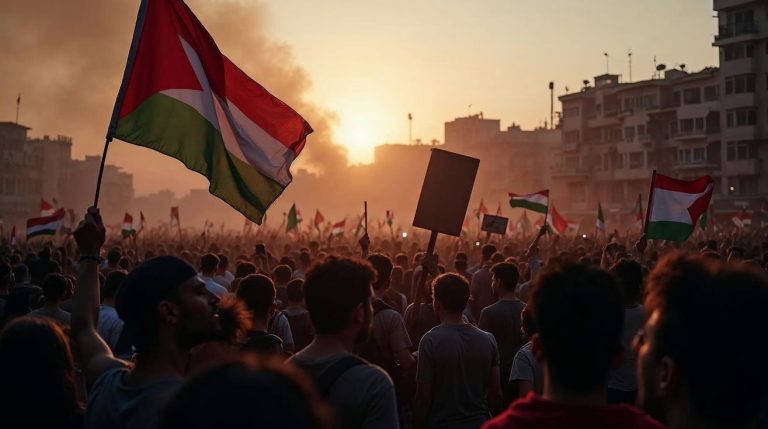
It’s curious how these two narratives interlink, isn’t it? You can almost picture the civil rights marches alongside modern rallies for immigration reform. It’s a tapestry where diverse threads of the past and present weave together. According to a report from the Migration Policy Institute, these movements share common themes of advocacy, resilience, and a relentless quest for equality.
Occasionally, it’s the little stories that pack the biggest punches. Like, consider this: the family separated by borders, yearning for the promised dream, is not far removed from the individual denied a seat at a segregated counter. Different eras, different policies, but eerily similar struggles. And yes, it happens more often than you’d think.
In this tumultuous mix, you might wonder how we go about celebrating the progress. How do we acknowledge the setbacks, too? By reflecting on both the roads we’ve traveled and those we have yet to walk.
The Road Ahead: Lessons and Legacy
Looking forward, one can only hope that we learn from our tangled history, that we find more common ground and craft policies that unite rather than divide. The stakes are high, and that’s not an overstatement. What history has taught us, time and time again, is that every small step adds to the collective journey towards a just and fair society.
As a matter of fact, understanding and embracing this interconnectedness could be key. For those of us who envision a future of shared rights and responsibilities, drawing from both lessons of the civil rights movement and current migration struggles is imperative. Neither stands alone; each informs and enriches the other, reminding us of the ongoing need for vigilance and empathy.
It’s a bit like working on a vast, unfinished quilt, with each patchwork piece telling stories of both triumph and trials. We must continue sewing this quilt, one thread at a time, ensuring it becomes a more inclusive tapestry for future generations.
In the end, it’s our shared responsibility to carry forward these intertwined legacies. Don’t just watch from the sidelines — dive in, educate yourself, and advocate for positive change. After all, the next chapter is ours to write together. What will yours say?