Why The Civil Rights Movement Still Influences Identity Politics Today
Understanding the Civil Rights Movement’s Enduring Influence on Identity Politics
The tug-of-war between the past and present often shapes the societal issues we face today. Identity politics, a significant buzzword of our time, is no exception. You might wonder, how does the Civil Rights Movement continue to echo in these discussions? Let’s unravel this relationship together.
Historical Context and Modern Parallels
Ah, the Civil Rights Movement. A time, not just of struggle but also of profound awakening. This pivotal era from the 1950s to the 1960s saw African Americans valiantly fight for equal rights and is, without a doubt, a cornerstone in U.S. history. Its legacy? Well, that’s an interesting point — because its legacy is what we see today. The questions it raised are alive and well, influencing modern-day identity politics.
Consider this: Identity politics isn’t merely people picking sides based on race or ethnicity. It’s *people seeking recognition*—really a call for equality, dignity, and representation in society. The Civil Rights Movement set the stage with its unyielding demand for these very principles, which continue to reverberate in identity politics today.
Lessons and Challenges
Lessons we learn from the past can sometimes be tricky. The Civil Rights Movement taught the world about resilience, unity, and determination. Fast forward to today, and these lessons still resonate, reminding us over and over that the fight for equality and justice is ongoing. Yet, challenges persist. Why is that?
The landscape might have shifted, but the tension remains. It’s a *complex social puzzle* often difficult to piece together. According to a report from the Pew Research Center, racial and ethnic tensions remain a pressing issue, with many Americans feeling that not enough progress has been made since that revolutionary time. And honestly, it’s troubling—because the echoes of history aren’t faint—they’re glaring reminders that more needs to be done.
A New Era of Activism
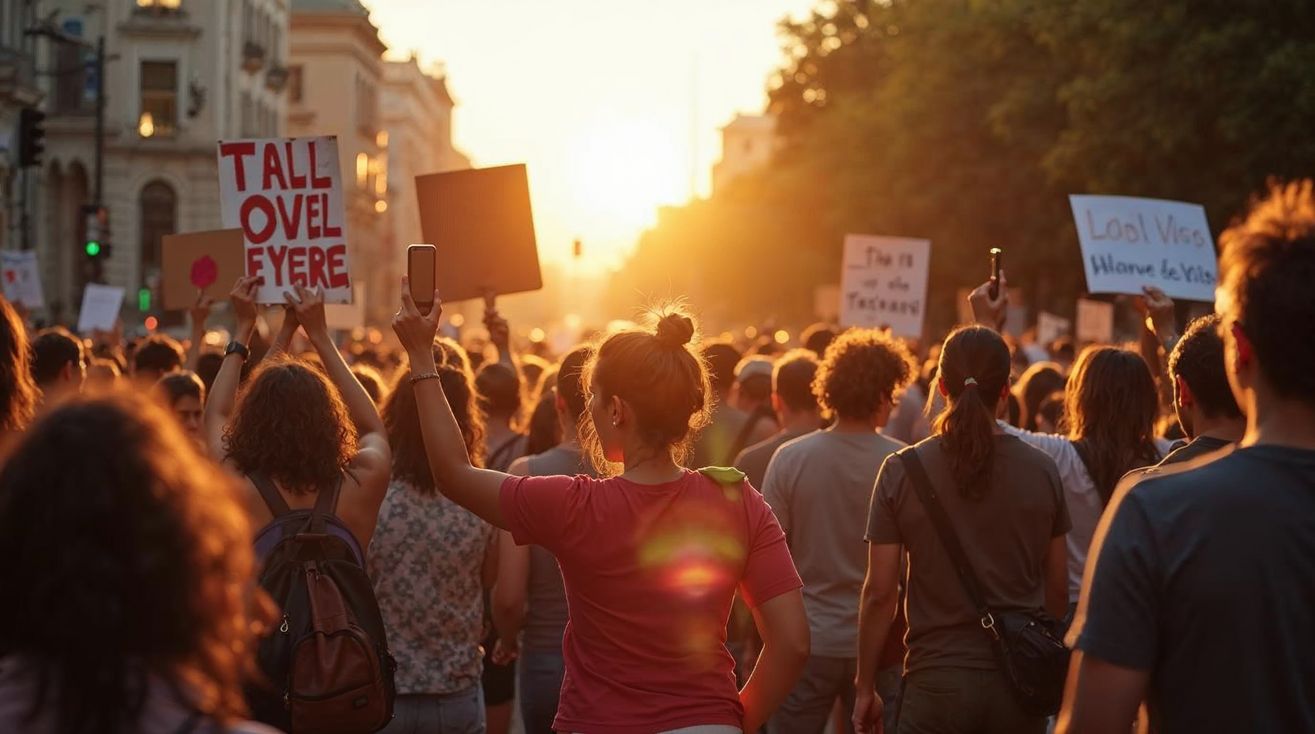
Today’s activism—doesn’t it feel a little different? It’s digital, it’s global, and it’s instantaneous. From Twitter threads to viral TikToks, the platforms may have changed, but the heart of the matter remains. During the Civil Rights Movement, leaders like Dr. Martin Luther King Jr. rallied people with speeches and marches. Today’s activists? They often wield smartphones as their tools of change, sparking movements with hashtags and viral videos that circle the globe in mere hours.
Take Black Lives Matter, for example. This movement, born from the digital age, echoes the Civil Rights Movement’s call for justice and equality. And yes, it happens more often than you’d think, where a single online post can galvanize thousands to take action, making those old rally cries seem both nostalgic and surprisingly current.
Here’s a glimpse into how today’s activism takes shape:
Bridging the Past and Present
So, where do we go from here? Bridging the past with the present means acknowledging the progress we’ve made while honestly confronting the reality of our contemporary challenges. It requires remembering the Civil Rights Movement, not just as history but as a living, breathing influencer of today’s identity politics.
Engaging with this idea means embracing the discomfort that comes with change and the realization that our collective story is still being written. The movement taught us that change is possible, a beacon for those who dare to imagine and demand more from the world around them. Addressing identity politics with a Civil Rights Movement lens is like tuning into an ongoing dialogue—a conversation that’s gritty, urgent, and very much alive.
By understanding how deeply the Civil Rights Movement continues to shape identity politics, we’re better equipped to grasp the nuances of today’s socio-political landscape. And really, isn’t that the goal? To be more informed, more empathetic, and more active participants in shaping a fairer world.
Let’s keep this dialogue going—share your thoughts, engage with others, and remember, every voice counts in writing tomorrow’s history.