The Long Shadow of The Arab Spring in Modern Protests
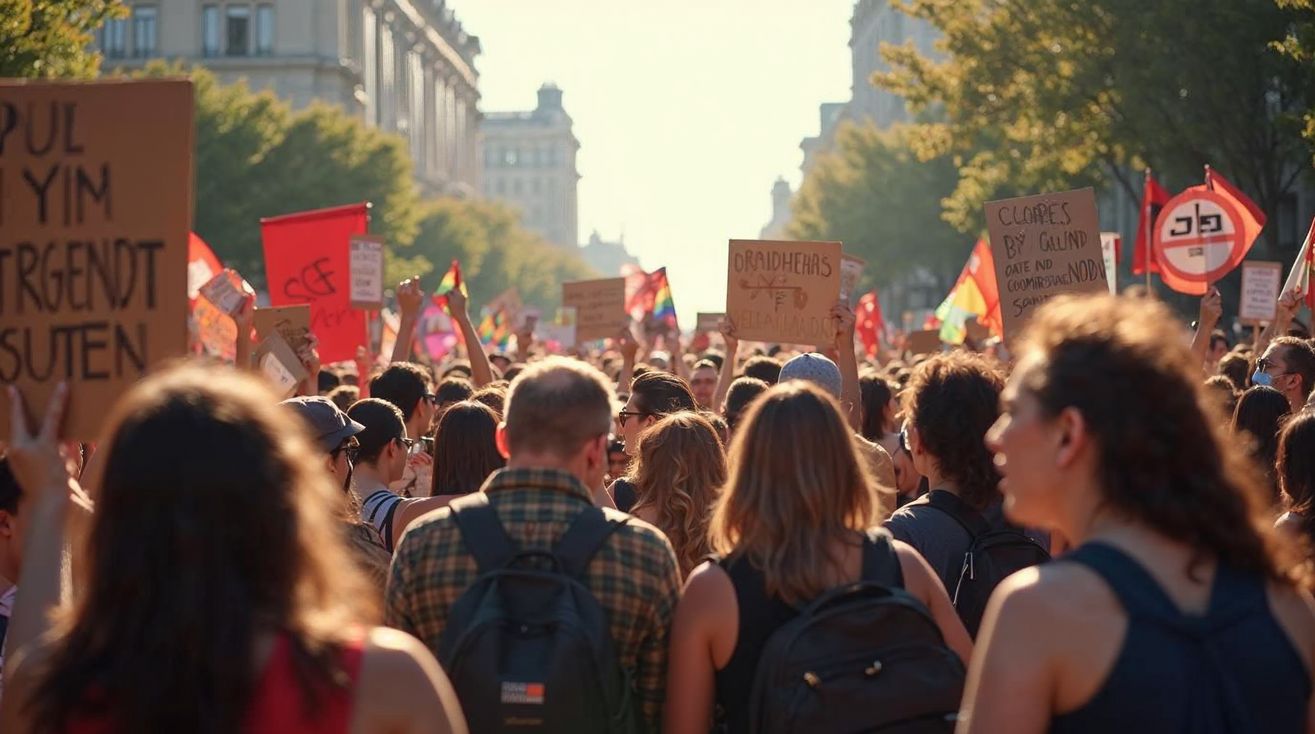
The Arab Spring, a series of revolutionary uprisings across the Arab world that began in 2010, didn’t just roll through the Middle East and North Africa like a passing storm. Its impact can still be felt today, almost as if its shadow stretches far beyond borders and timelines. How, you wonder? Let’s dive into this fascinating tapestry of socio-political threads.
Echoes of Change
When the Arab Spring first erupted, it was as though a powerful wave of change surged through countries like Tunisia, Egypt, and Libya. People were united by a common fervor — a genuine cry for democracy, justice, and dignity. Even though the initial spark of hope ignited massive political transformations, the outcomes have been mixed. Some nations, like Tunisia, took meaningful strides towards democratic governance, signaling a cautious optimism.
In others, however, the pathway was not so clear-cut. In Egypt, the political landscape resembled a tumultuous sea, with power struggles reflecting the complexities of achieving lasting change. A report by the Council on Foreign Relations reveals ongoing instability and a turbulent dance of political forces upending expectations.
The Resonance in Protests Today
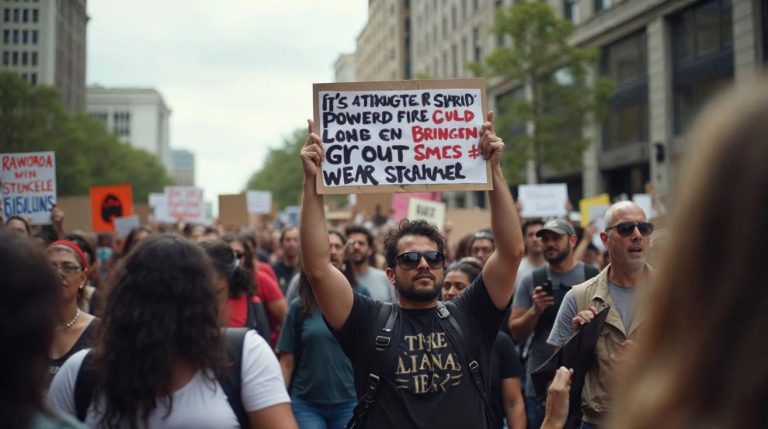
Fast forward to today, and you’ll find that the ardent spirit of the Arab Spring still resonates in global protests, signaling a ripple effect across movements focused on justice and reform. You might pause to wonder if today’s protestors, rallying for climate action, gender equality or racial justice, share an unspoken link to those early demonstrations. After all, the language of protest — the chants, the spirited placards — remains universally powerful.
From the protests in Lebanon against a failing economy to mass gatherings in the heart of Sudan demanding civilian rule, there’s an undeniable connection. Even the recent marches for Black Lives Matter in cities across the United States evoke echoes of the Arab Spring. And honestly, it’s surprising — really surprising — how a movement birthed under very specific conditions can inspire so broadly.
Media’s Role in Shaping Perceptions
Another interesting twist here involves the profound role of media, both old and new. It’s almost cliché to mention how social media platforms were instrumental in the Arab Spring, but worth exploring is how they continue to amplify voices and mobilize action globally. In real-time, you witness conversations that underscore both solidarity and debate — a testament to the digital age’s transformative power. It’s the kind of detail people shrug at… until they don’t.
Such platforms now fuel movements far beyond the Arab world, linking global protests to shared struggles. A TED Talk by Wael Ghonim, a key figure in the Egyptian protests, highlights how digital tools can both empower and challenge movements. You can almost picture the scene: hashtags spreading like wildfire, becoming rallying cries for solidarity worldwide.
What Does the Future Hold?
So where does this leave us? It’s clear the Arab Spring cast a long shadow that will likely persist, guiding and influencing protest tactics and philosophies. Yet, the future is uncertain. The evolving nature of political landscapes and social movements continually redefines the essence of protest.
In the Middle East and North Africa today, democracy falters and thrives in remarkable ways. The lessons learned from the Arab Spring — its victories, its failures — remain instructive as societies worldwide continue grappling with governance challenges. It’s a story of an unfinished revolution, a narrative still unfolding. But isn’t that the beauty of it? Individuals rising with a collective vision for a better world.
Curiously, the conversation about the Arab Spring is not just academic; it’s deeply human. It forces us to acknowledge a shared history and contemplate our own contribution to the ongoing global quest for justice and freedom.
Whether you find your inspiration in those early revolutionaries or in today’s fervent activists, maybe it’s time to ask not just how far we’ve come, but where we’ll head next. If you’re looking to dive deeper, start by reading stories from those who lived through these historic changes and broaden your understanding. Engage. Share insights. Become part of the dialogue.
Ready to explore what happened next? Share your thoughts or join a discussion about how these events shape our present. Each conversation is a step toward understanding, and perhaps, toward change.