Remembering Student Protests of 1968 in an Era of Global Politics
The Magnificent Student Protests of 1968
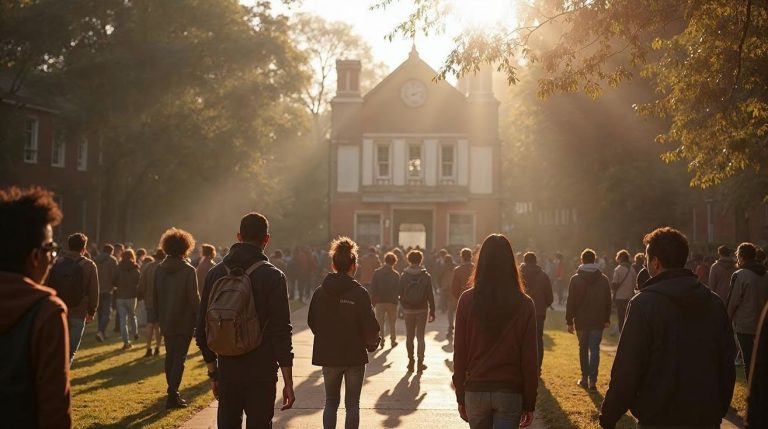
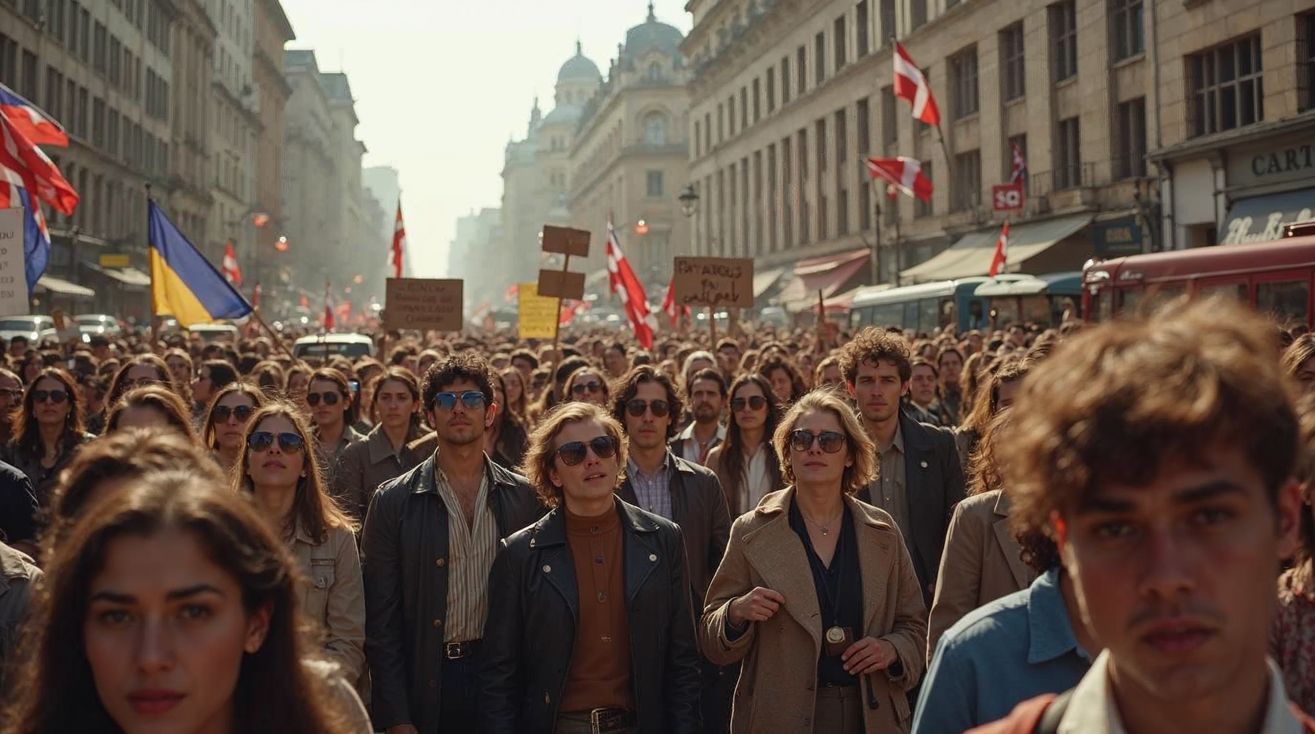
Amidst today’s swirling global politics, it’s easy to forget just how impactful a small group of determined students can be. Flashback to 1968, a year forever etched in history. In cities across the globe, young people were voicing their desires with passion and urgency. They were tired, hopeful, and yes, ready to shake things up.
The Spark that Ignited a Movement
We start in Paris, where on a seemingly typical day in spring, students at universities such as the storied Sorbonne were rallying against old, rigid educational systems. They were fueled by a fierce determination for change. But why? Their grievances were many, from overcrowded dormitories to lackluster curricula, and injustice in every form. And yet, it was ambitious. Student leaders like Daniel Cohn-Bendit, with his fiery red hair and piercing words, became the face of the movement. If you could have seen him speak, you might’ve felt that electric vibe too.
Soon, the protests swelled with more students, workers, and sympathizers joining them. And here’s a surprising twist: what started as academic discontent somehow ignited a national call for reform in labor rights and free expression.
A Global Phenomenon
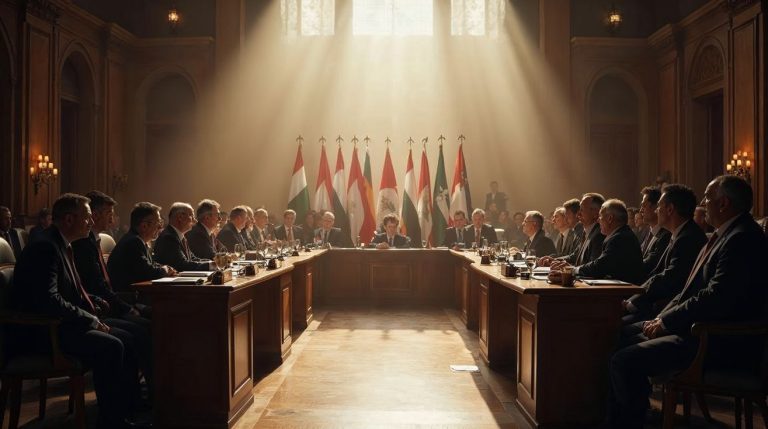
You’d be mistaken to think this was *just* a French affair. It was a contagion that spread swiftly, reaching the bustling streets of Tokyo, Berlin, and even Mexico City, where tensions ran high and the stakes were even higher. In the United States, the Vietnam War was an ever-present shadow that motivated many of students’ actions. The rallies were charged with chants like “Hell no, we won’t go!”—a spirited refusal to partake in what they saw as an unjust conflict.
Ronald Fraser, a British historian, once captured this feeling succinctly: “1968 was a moment—where the world stood on a knife-edge, teetering between fear and hope.”
The Unforeseen Outcomes
The aftermath of these protests left an indelible mark on society, culture, even fashion (think of those expressive slogans on T-shirts). But it wasn’t just about look; it was *societal introspection.* According to the Encyclopedia Britannica, these events led to substantial changes. In the U.S., policies around military drafts were reassessed, and globally, governments faced a growing demand for transparency and democratic values.
Yes, not everything changed overnight. But would you believe how much shifted ever so slightly? The proverbial first domino had been tipped. And that’s worth pondering, isn’t it?
Echoes in Modern Activism
Fast forward to today’s world where student activism feels like a recurring symphony. The soundtrack might differ, the chorus expanded, but the core melody—a cry for justice and freedom—remains the same. From climate change to gun control, students are still at the forefront, proving once more that their voices are indispensable.
A peek into modern demonstrations shows how these young guns master social media’s lightning speed. An article from USA Today highlights how platforms like Twitter and Instagram fuel modern-day protests with unprecedented reach almost instantly. Greta Thunberg, with her unwavering gaze and placards, is today’s emblem of youth activism, echoing the vigor of 1968. Her presence might not lead to fireworks in the street, but it’s a cascade of global consciousness every post she makes.
Have we come full circle, or are we spiraling into a new era of change? That’s a question only time, patience, and another generation’s courage will answer.
And just like those young visionaries in 1968, today’s students are unafraid to stir the pot—and thank goodness for that. So, as you reflect on the past and gaze towards the future, consider this: each of us, in our way, can be the spark that fans the flames of change.
If you found this reflection illuminating, why not share it with a friend or join the conversation yourself? After all, _every voice_ contributes to the ongoing narrative of our world.