The Long Shadow of The Iraq War in Immigration Policy
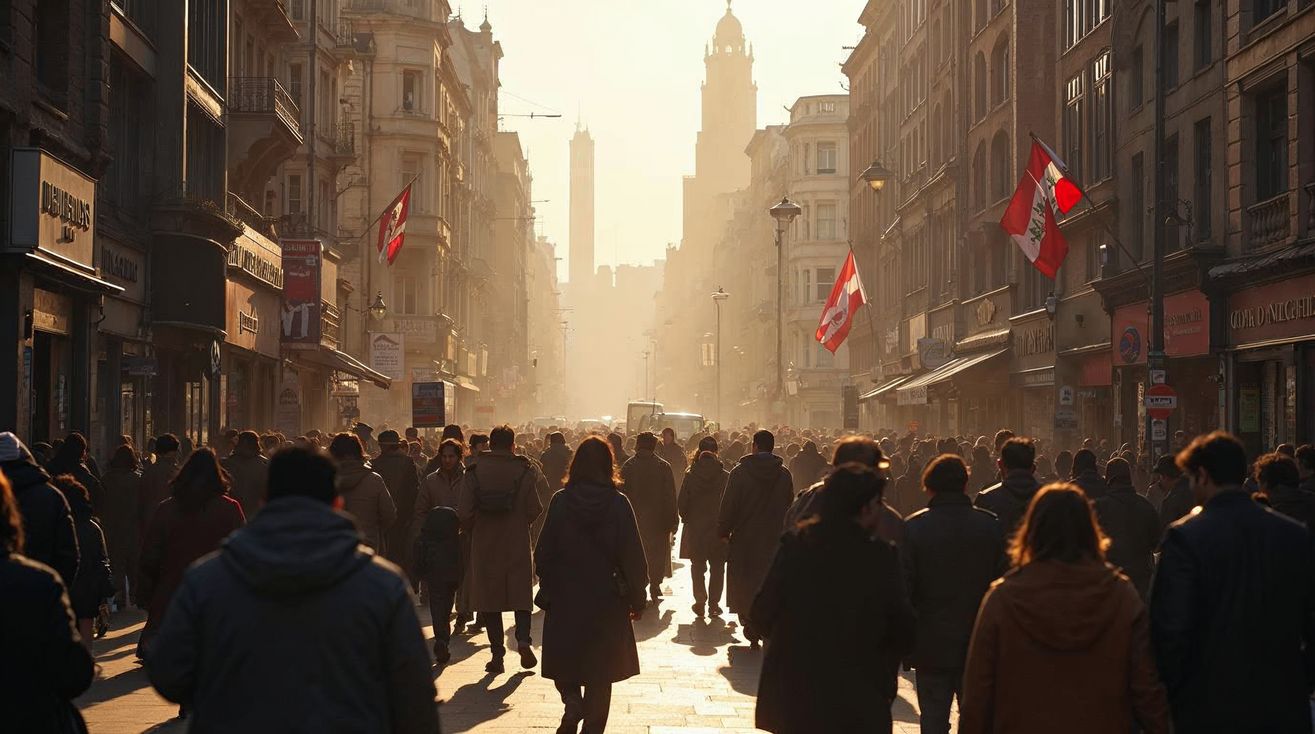
When discussing travel plans, it’s hard not to notice how much the Iraq War has influenced migration policy over the years. A war that rocked the world—its impact continues to ripple through time in surprising ways. From residential streets in London to bustling marketplaces in Baghdad, its shadow feels both near and far.
The Global Dimensions of War
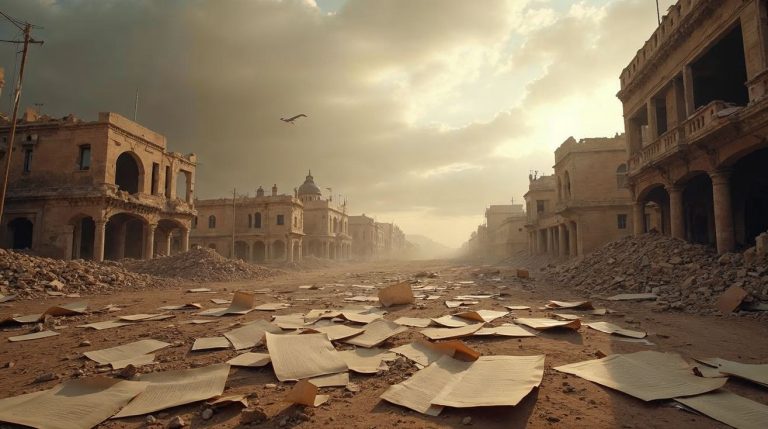
There’s a lot to unpack when considering how the Iraq War has affected global migration. The sheer scale of displacement is astounding, with—bear in mind—around five million Iraqis who fled their homes because of *arraigned* conflict. This exodus, not just a footnote in history, but a significant puzzle in understanding contemporary migration patterns. According to a UNHCR report, these figures are more than just numbers; they represent lives upended, families scattered, and communities dismantled.
Policies Shaped by Conflict
Dive a little deeper into the fabric of migration policies influenced by the Iraq War, and you’ll find a landscape riddled with complexities. Take, for instance, the shift in how asylum seekers are perceived. Not long after the onset of the war, regions like Europe and North America saw a tangible increase in applications from Iraqis. This surge compelled governments to rethink their strategies, often tightening borders under the guise of national security. It’s a delicate dance between compassion and caution, one that policymakers still grapple with today. And yet, isn’t it heartening to see countries extending their arms, even with small acts of openness?
The Echoes in Urban Centers
On the streets of major cities across the globe, you can almost *sense* the echoes of the Iraq War. Walking through districts like Dearborn, Michigan, or neighborhoods in Sydney, Australia, reveals a tapestry of cultural influences brought by Iraqi immigrants. Their stories, woven into the urban fabric, offer a glimpse into a resilient community far from home. It’s fascinating—and somewhat unexpected—how these stories bridge cultures, fostering understanding in a fragmented world. You’d be amazed at how much a cup of Iraqi tea or a shared meal can reveal about shared human experiences.
The Human Spirit and Hope
While the reverberations of conflict are undoubtedly profound, it’s uplifting to see the unyielding spirit of those affected. Their journey doesn’t end with displacement. Far from it. In various corners of the world, initiatives have sprung up, nurturing hope and resilience. Local communities often rally around newcomers, offering support networks, language classes, and job placements, aiming to foster integration rather than isolation.
And this digital age provides a remarkable platform for the dissemination of these stories. Social media, with its vast reach, has become an unexpected ally. For a deeper dive into the impact and personal tales, a well-known example is the use of YouTube where individuals share their narratives. Here’s a snapshot of how the digital world brings these voices to a global stage:
Embracing a Complex Legacy
Considering all these elements, understanding the Iraq War’s legacy in migration isn’t just a task for historians or policymakers. It’s a shared responsibility. The stories—personal, raw, sometimes heartbreaking—are a call to action, urging us to create a more inclusive world. It reminds us that while borders can divide, empathy and humanity can always find a way through.
So, next time you encounter someone with a story from abroad, take a moment. Listen. Understand. In the end, these moments of connection shape not only personal experiences but broader societal change.
Curious to explore more about this topic or eager to share your own story? Dive deep into conversations, open your mind to new perspectives, and remember—every voice matters!