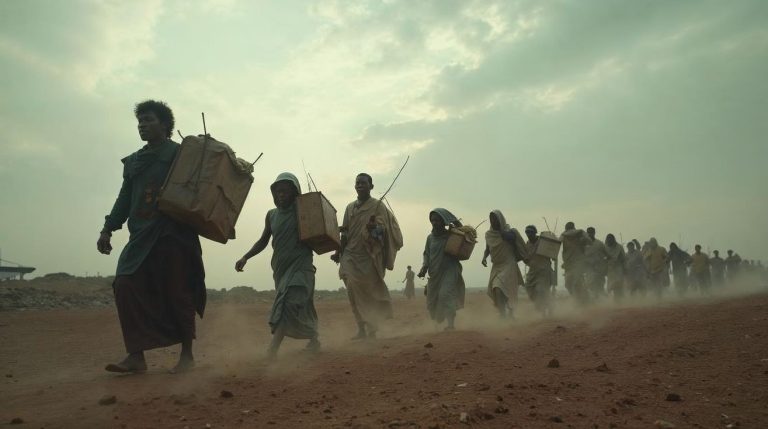
The Story Behind The Arab Spring
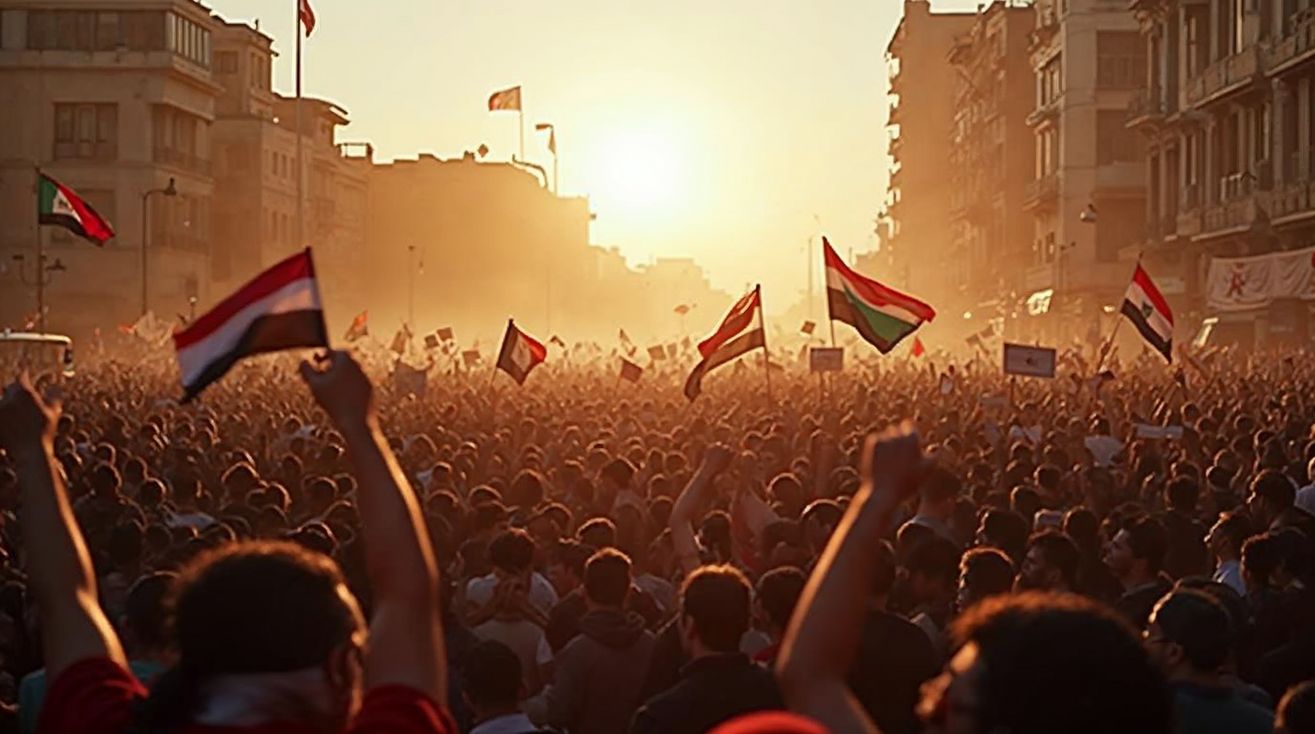
Have you ever heard the faint whispers of a revolution in the air and felt the thrill of change coursing through your veins? That’s precisely what swept through the Middle East over a decade ago. The Arab Spring wasn’t just a collection of protests; it was a vivid tapestry of courage, sacrifice, and the unyielding desire for freedom. Let’s delve into this pivotal chapter in history and explore it in finer detail.
The Seeds of Unrest
The Arab Spring didn’t spring out of nowhere — the signs were there, simmering beneath a facade of control. Economic despair, political repression, and the choking lack of freedom were just a few of the deep-seated issues. In Tunisia, for instance, the self-immolation of Mohamed Bouazizi, a street vendor harassed by local authorities, acted as a catalyst. His act of desperation struck a chord with the nation and, quite unexpectedly, the world watched as a wave of protests engulfed the region.
A well-documented analysis from the BBC illustrates how Bouazizi’s death ignited the spark that would light the entire Middle Eastern forest. People were no longer willing to accept the status quo, and honestly, it’s surprising — really surprising — how one person’s tragedy could become the impetus for such a massive movement.
A Region in Flames
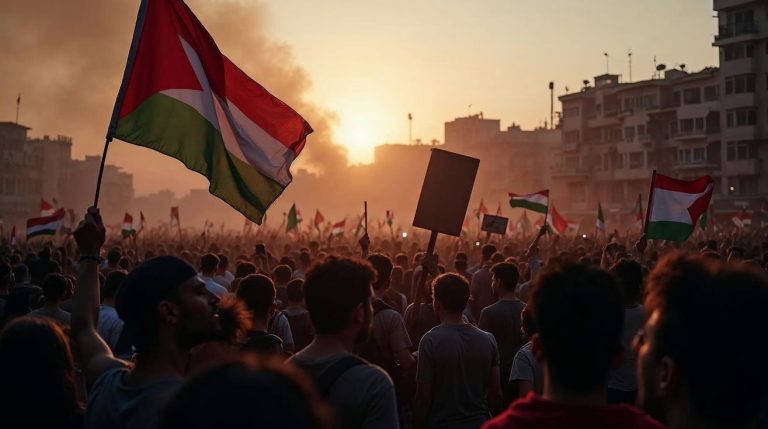
Tunisia’s revolution, dubbed the Jasmine Revolution, quickly inspired other nations. Egypt followed suit with its own uprising, centered in Cairo’s Tahrir Square, that captivated the world. Protesters in Egypt were not speaking into the void; their message was loud and clear as they demanded President Hosni Mubarak’s resignation. But this seismic shift wasn’t confined to Tunisia and Egypt alone. It reverberated through Yemen, Libya, and beyond, and yes, it happens more often than you’d think – a domino effect of humanity seeking liberation.
A timeline by Al Jazeera details the order and intensity with which different countries were swept up by this fervent call for change. Governments certainly trembled at the scope of it all, trying their hands at both conciliatory and oppressive measures. You can almost picture the urgency etched into Tahrir Square’s granite faces.
Power of Digital Connection
What was different this time? The digital age bestowed unprecedented connectivity. Social media platforms like Facebook and Twitter, quite unexpectedly, became the backbone of the revolution. It was here that stories, strategies, and sheer will were shared and amplified. These platforms were not mere tools; they transformed into havens of solidarity where tactics were whispered across continents and oppressive masks torn asunder.
One in-depth study by The Guardian highlighted how Egyptians modernized their activism. There were times when people cried out for truth, and their tweets echoed widely, bolstered by viral strength. Almost every thumb swipe held a heartbeat of change, and it’s the kind of detail people shrug at… until they don’t.
Here’s a glimpse of the emotions and stories from Tahrir Square in this engrossing YouTube video:
Lingering Echoes and Lessons Learned
Today, mentioning the Arab Spring brings a mix of triumph and caution. While some nations saw dictatorships fall, others remain engulfed in strife long after the initial wave. The changes have not come without their tangled webs; indeed, many parts of the region face ongoing upheaval. However, between the lines of turmoil, there lies a message of hope, determination, and unwavering confidence in change.
Experts from institutions such as the Brookings Institution often reflect on how these uprisings reshaped geopolitical landscapes and social dynamics. A representative sentiment echoes this in their collective analysis: “The Arab Spring underscores a universal yearning for dignity and justice.”
If nothing else, the Arab Spring is a poignant reminder of the eternal quest for human rights — a testimony to the power of conviction and the solidarity embedded within our digital realms.
So, are you ready to learn more and dive deeper into the complex narratives history holds at every turn? Stay curious, and remember, the voices of the past often have much to say about our future.