From the Post-9/11 Security Era to Security Policy: A Historical History
Sure, let’s dive right into the heart of the matter and unravel a surprisingly complex world — the ever-evolving landscape of political history, influenced dramatically by unforeseen events. From the jangling nerves of the post-9/11 era to the gradual shifts in security policies, each phase carries its own set of challenges and nuances.
The Shockwave of 9/11
It was one of those mornings that held a promise of the ordinary—until everything shattered. The events on September 11, 2001, changed not only the skyline of New York but also the global consciousness about security. Suddenly, the reality of terrorism became all too visceral. Remember the palpable tension in the air, the constant news cycles dissecting every possible angle? It’s hard to forget. According to the Department of Homeland Security, the attacks reshaped policy fundamentals, prompting governments worldwide to rethink strategies, redefine borders, and focus intensely on security measures.
Policies in Transformation
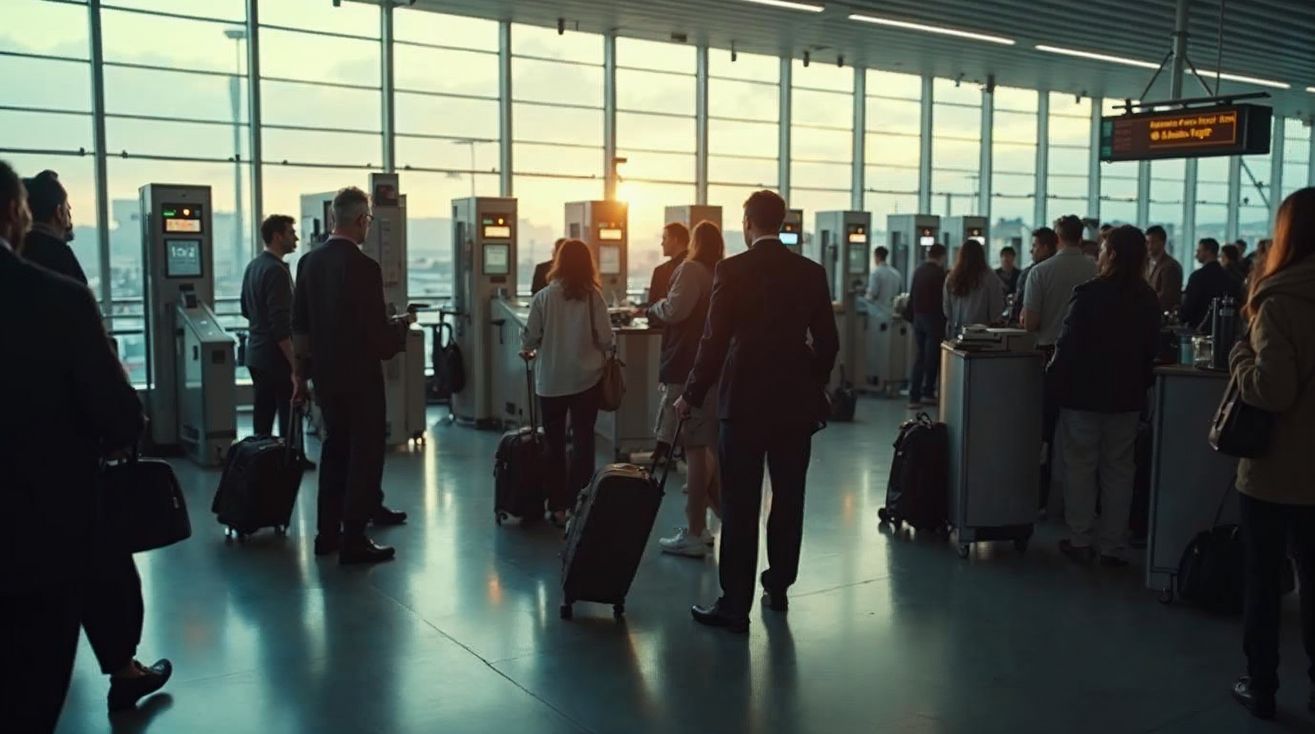
In the aftermath, there was a whirlwind of action. New policies emerged almost overnight, designed to prevent further tragedies. There was the Patriot Act, a piece of legislation that stirred both relief and controversy. It heralded unprecedented government surveillance powers, and let’s be honest, that still stirs up debate today. Airports became gauntlets, security lines stretched longer, and the familiar shoe-removal ritual began—a small but irksome change. Yet, it was a reflection of a much larger shift in priorities.
A notable transformation was the establishment of the Department of Homeland Security. It wasn’t just a new agency; it was a monumental stride towards integrating security efforts across the board. The creation of the DHS marked a historic overhaul, uniting 22 different federal departments and agencies, which sounds like a bureaucratic feat in itself, doesn’t it?
The Ripple Effect on Global Politics
The United States wasn’t the only nation grappling with change. Globally, countries began revising their own security policies, often aligning with or reacting against U.S. initiatives. The European Union, for example, strengthened coordination among member states, sharing intelligence like never before. Meanwhile, nations in the Middle East found themselves under a magnified lens, facing both increased scrutiny and, at times, support.
International travel became a nerve-wracking experience for some, with enhanced border checks and higher scrutiny, especially for travelers from certain regions. It’s a complex issue, with layers of political and social implications. And if you think about it—sometimes it feels like the world became one big airport security line, doesn’t it? Interestingly, a Council on Foreign Relations report noted a substantial increase in global counter-terrorism cooperation, suggesting that the ripples of 9/11 are still felt profoundly worldwide.
Looking Ahead: What’s Next?
Now, two decades later, the stage continues to shift. Cybersecurity threats have emerged, adding another dimension to the security conversation. As governments around the world wrestle with the challenges of technology, privacy issues become even more tangled. Can there be a balance between liberty and safety? It’s the question of our time.
One expert, speaking to a recent panel discussion, commented, “We’re in an era where non-state actors hold unprecedented power. It’s no longer about state-on-state conflicts but about complex networks and the influence of technology.” This perspective underscores the ever-evolving nature of security challenges.
Though the immediacy of 9/11 has waned, what remains is a legacy of policy and a new understanding of a world where global events can impact daily life in surprising ways.
So, where do we go from here? It’s a question with no easy answer, inviting continuous dialogue. Let’s keep the conversation going as we reshape and rethink what security means in our interconnected world.
Feel the impact of history at your doorstep? Share your thoughts and engage with discussions on how we can navigate these challenging landscapes together.