How Student Protests of 1968 Influenced Modern Culture Wars
The Spark of 1968’s Student Protests
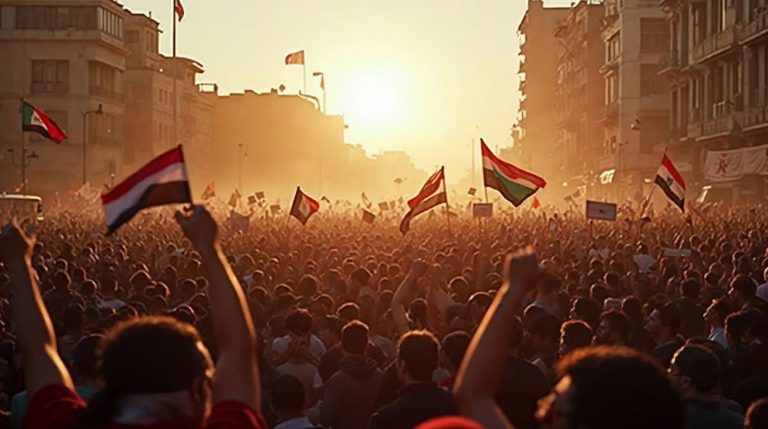
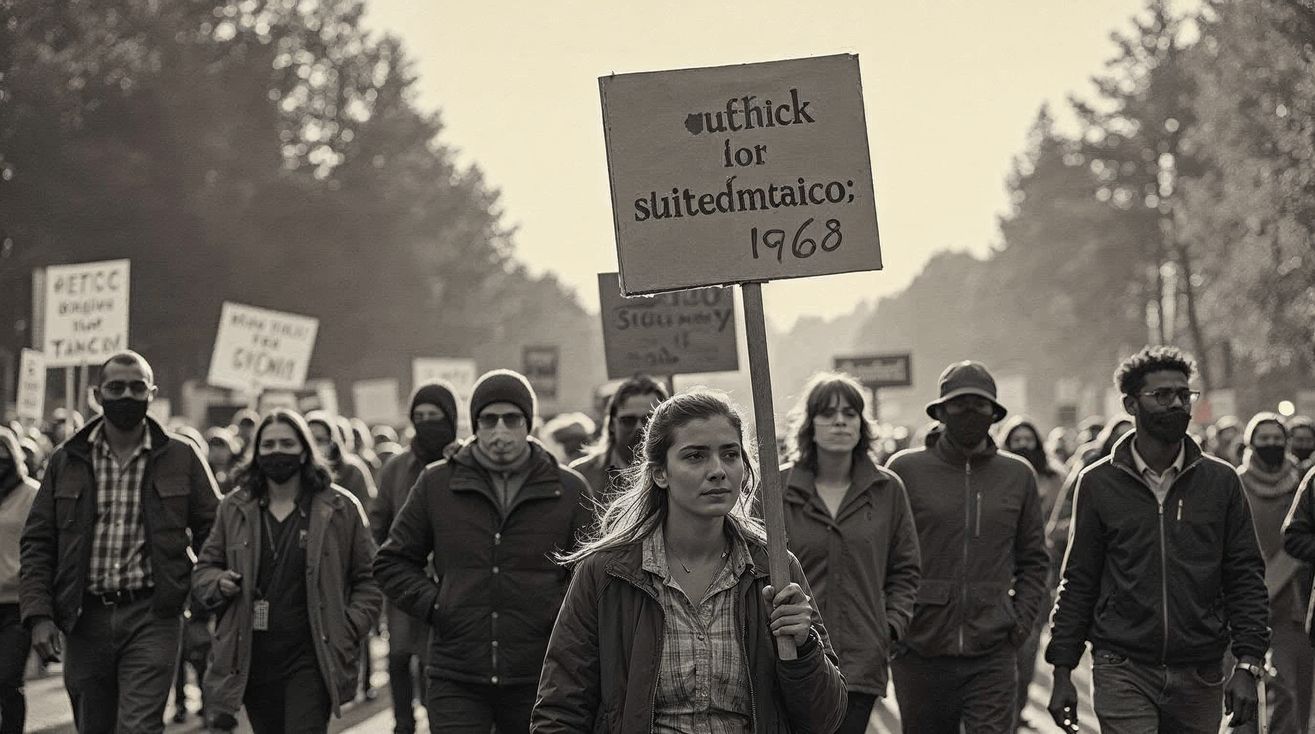
Imagine the world in 1968: a time embroidered with both hope and upheaval. In France, students took to the streets, demanding change. Meanwhile, across the pond, American campuses lit up with cries for civil rights and an end to the Vietnam War. At the heart of these movements was a relentless desire for a better world. According to a History.com analysis, 1968 was a culmination of previous years’ frustrations, finally reaching a boiling point.
In the shadow of such protests, there was an undeniable urgency—an unwillingness to settle for the status quo. The world was shifting, stretching boundaries, trying to make sense of how society should function. It’s not every day that students can make the powerful take notice, and yet…here they were, demanding attention.
The Ripple Effect on Modern Culture
Fast forward to today, and the ripple effects of 1968’s unrest are still visible. The student protests shaped dialogues around race, gender, and power. These upheavals paved the way for questions—questions that perhaps had always been there but were now unavoidable.
Why, for instance, are the themes of those times resurrected today in debates over systemic racism or freedom of speech? The conversations sparked then are echoed in our current news feeds and social media platforms. And honestly, it’s surprising—really surprising—how much those voices from ’68 continue to resonate.
Importantly, the spirit of activism didn’t die out. It merely transformed, finding new life in today’s civic engagements. Take this video, for example, capturing the essence of student protests, a timeless call to action that’s as relevant now as it was then.
Today’s Culture Wars
So, where do we stand today? Our current culture wars are, not surprisingly, still tangled up with the issues first thrust into light in 1968. It’s a complicated dance—a passionate, sometimes painful negotiation of values. Consider the debates on college campuses about free speech and ideological diversity. We’re, in many ways, replaying the debate stages that the protesters in ’68 first set.
Why does this matter? Well, as society continues to grapple with inequality, the echoes of those earlier battles remind us of the work that remains. You can almost picture the idealists from 1968 watching us, urging us not to forget the lessons they taught with such fervor.
Learning from the Past, Shaping the Future
If there’s a lesson from 1968, it’s this: Movements spark change, but maintaining that change requires persistent, unwavering commitment. Protests are powerful, yes, but the real work often starts in their wake. The foundations for today’s ideology shifts were laid decades ago, and yet the blueprint remains fluid, ready to adapt to the nuances of today’s society.
And wouldn’t you know it, we find this blueprint dictating even the way we have conversations about modern-day protests, about the civil rights that are painfully yet triumphantly still being fought for. This isn’t the end of the conversation—it’s a shifting narrative that invites all of us to advocate for progress, perhaps with a touch more wisdom gained from history’s sometimes harsh lessons.
In the end, understanding the gritty, dynamic tapestry of 1968 isn’t just an academic exercise—it’s a lens through which we might better grasp our current world. We’d do well to keep asking these questions: what’s the next chapter we want to write in this ongoing cultural saga? Stay curious. Let’s keep the dialogue going.