From The Arab Spring to Global Politics: A Political Journey
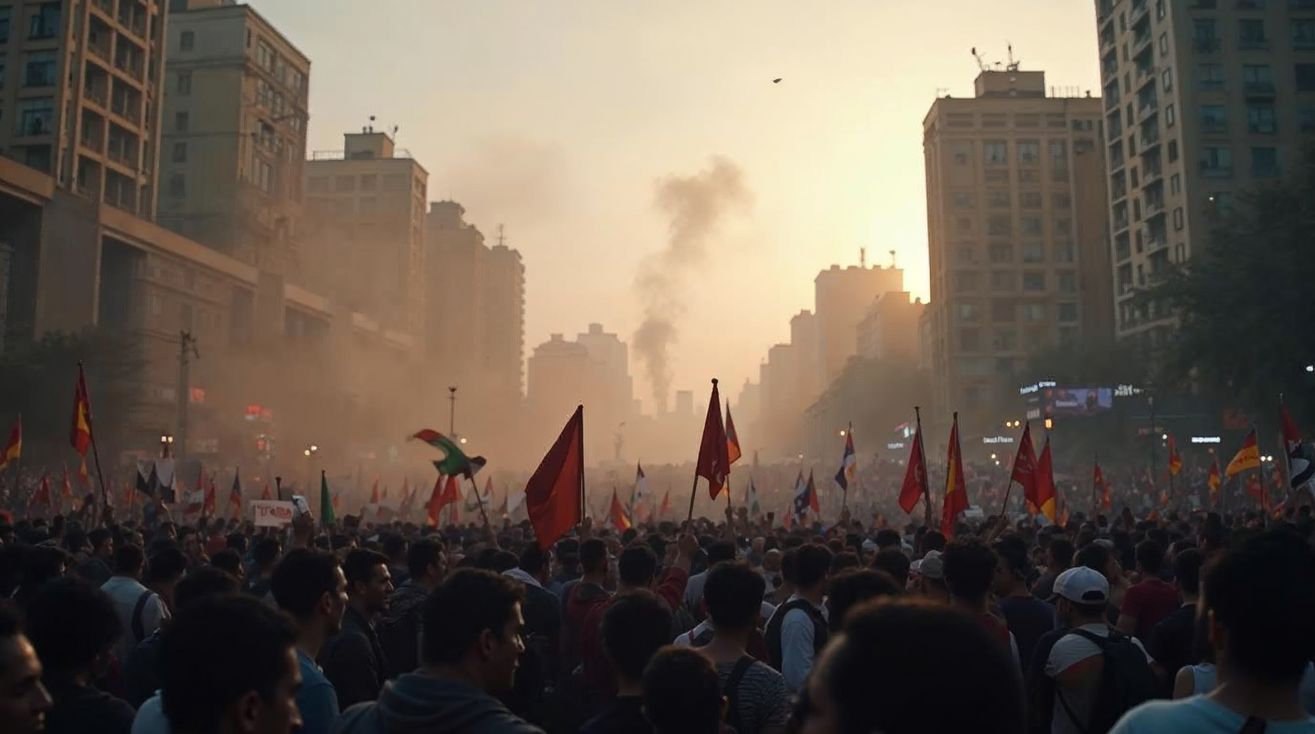
To truly understand the tapestry of our world’s modern-day politics, we must go back a decade or more. It was a brisk December day in 2010 when the flames of the Arab Spring ignited, setting off a tremor that eventually rippled through much of the globe. But can one really fathom how a single wave of protests across North Africa and the Middle East could transform entire nations and even influence the dynamics of global politics today? Let’s dive into this gripping journey of history—a journey that is still unfolding.
The Birth of the Arab Spring
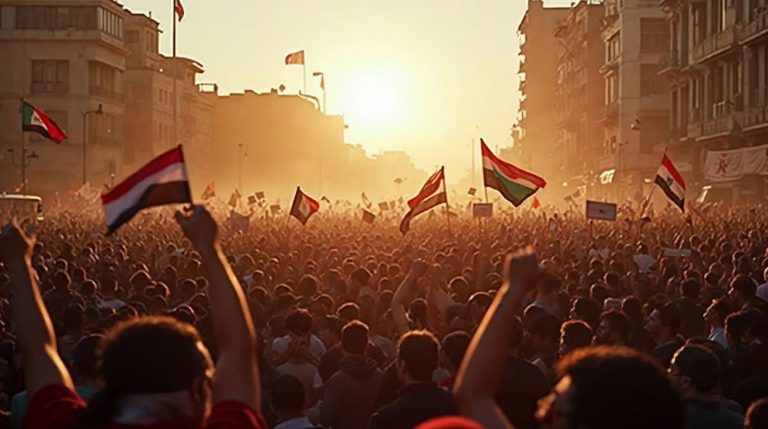
The Arab Spring wasn’t just a spontaneous uprising; it was a boiling pot finally spilling over. Starting in Tunisia, where one young street vendor’s tragic self-immolation became the spark, it quickly spread like wildfire across neighboring countries. People were fed up with the longstanding injustices—corruption, unemployment, and lack of basic freedoms. And they took to the streets, demanding change.
Was it an unexpected upheaval? Not really. If you look back, all the signs were there. But when the world watched in awe, the question was: how deep would this change cut? The upheaval was both daunting and hopeful, a moment where empowerment met resistance.
Unraveling Dictatorships
In cities where change seemed improbable, regimes began to fall. Egypt ousted President Hosni Mubarak; Libya saw the dramatic overthrow and death of Muammar Gaddafi. Yet, the road to democracy was not as smooth as some anticipated. According to the Council on Foreign Relations, while some nations gained a semblance of democracy, others fell into chaos or reverted to autocracy.
The excitement of newfound freedom was also shadowed by the reality of governance and reconstruction. How do you rebuild institutions that were stagnant, if not nonexistent? It turns out, this is easier said than done. In the aftermath of revolution, countries faced new struggles—sometimes even bloodier than the movements that ousted their leaders.
A Shift in Global Dynamics
Was there an unexpected benefit for neighboring countries? The Arab Spring forced many world powers to rethink their foreign policies. While some Western nations cheered the democratic aspirations, there was hesitance, too, around the unpredictability of new leadership. Moreover, countries like Russia and China watched cautiously, anticipating the impact on their own geopolitical interests.
The Middle East’s shifting landscape had undeniable global repercussions. Energy markets quivered, and migration patterns transformed. Almost as if overnight, the world grew boundlessly smaller, interconnected through conflict and cooperation alike.
The Legacy of the Arab Spring
A little over a decade later, what remains of this era? The effects of the Arab Spring are imprinted in today’s political climate. Social media emerged as a potent tool for activism—a game-changer for grassroots movements around the world, as confirmed in a study by the Harvard University. The region’s ongoing issues serve as stark reminders of the complexities of democracy.
But the story is far from over. As the region grapples with its political future, its legacy lives on—a living testament to human resilience and the persistent desire for freedom and dignity.
In this tale of the Arab Spring, the unpredictability of human courage and the depth of political transformation can’t be overstated. It’s a story that continues to shape global politics and reminds us why history is as alive today as ever. If you’re intrigued by these ever-evolving dynamics, perhaps it’s time to delve deeper and stay engaged in the dialogue. Your curiosity might just illuminate the next unfolding chapter in this ongoing narrative.