What We Get Wrong About Student Demonstrations of 1968
The marvel of student protests is they aren’t just relics of the past; they remain a vivid tapestry of youthful defiance, woven in the fabric of societal change. Back in 1968, a single spark ignited a global movement, a cascade of passionate expressions that reverberated through every corner of the globe, and their impact is still talked about today. But what, exactly, have we learned from those bold expressions of dissent? What do we still get wrong about those revolutionary days?
The Heart of 1968’s Student Protests
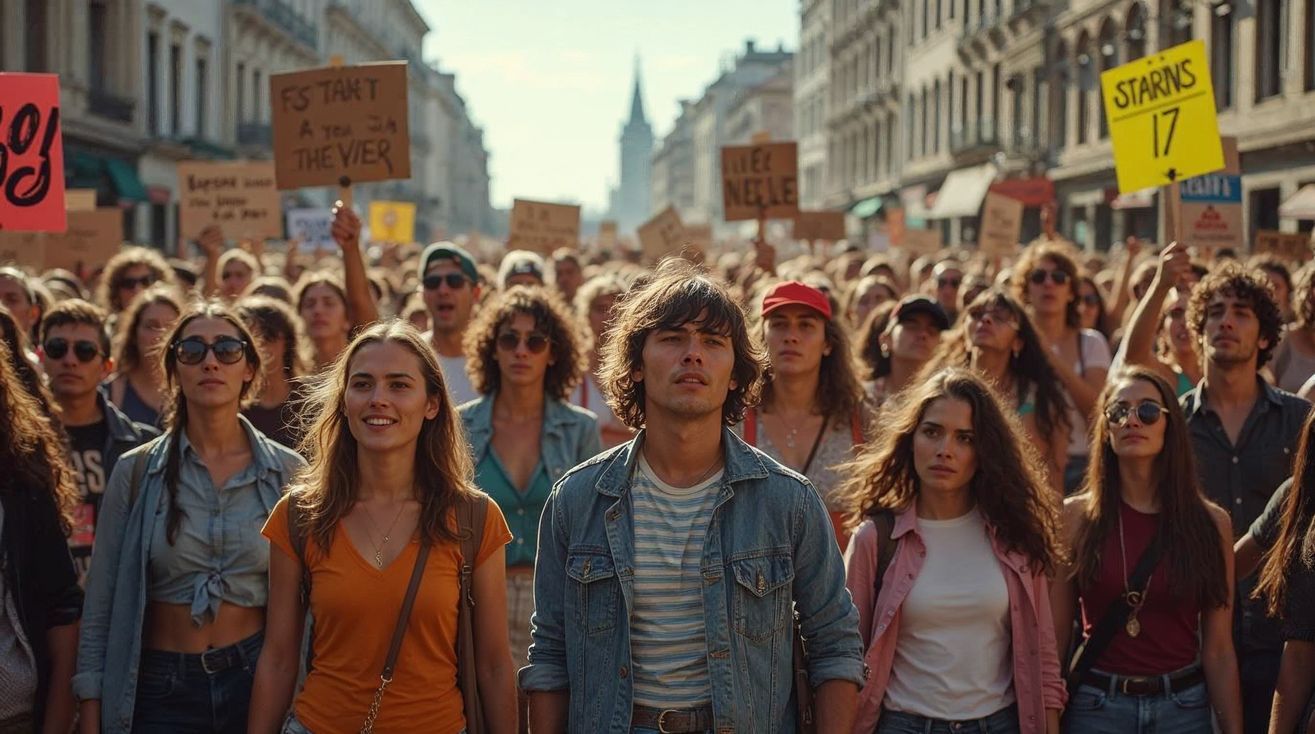
In 1968, a collective unrest pulsed through universities. It wasn’t a simple rebellious phase—it was an electrifying wildfire sweeping across brains hungry for change. Boldly, young voices demanded to be heard. From Paris to Prague, Tokyo to Mexico City, students marched, demanding new liberties, rights, and reforms. In the United States, the cry was loud enough to capture the attention of politicians and policymakers. But what fueled these wildfires of activism?
Some might say it was a perfect storm: political disillusionment, social injustice, the Vietnam War looming large. Yet, the nuances are deeper. The students weren’t merely reacting to events but crafting a vision for a better future. They wanted to reshape the world—and fast. And, believe it or not, they were remarkably effective.
Common Misunderstandings
Let’s address a few misconceptions. For one, it’s easy to romanticize these protests as universally principled and cohesive. The reality? Far more complex. These movements were often fractured, with distinct agendas and varied leadership. Take France, for instance, where students initially fought university restrictions. Their protests quickly sprawled into a larger critique—so large that it almost toppled the government. Yet, within this chaos, not all demonstrators shared the same end goals.
Then, there’s the naiveté label that gets thrown around. Yes, young people were idealistic. But idealism shouldn’t be mistaken for frivolity—these activists had a fierce commitment to their causes, and they faced down adversity with genuine courage. And really, couldn’t we all use a touch more idealism these days?
A Continuing Legacy
The reverberations of 1968 still echo today. Many movements have borrowed from these historic protests. According to a study, the organizational styles of these student movements have influenced modern activism across the globe. We see it in climate marches, digital rights advocacy, and the passionate pleas for social equality. It’s there in the chants, colorful signs, and the unwavering spirit of the young—demanding, again and again, for conniving old systems to yield.
These young activists taught us several things; every cause starts with a conversation, each slogan with a spark, and any great change often meets its genesis in a college forum or student union. But we mustn’t forget that the 1968 student protests weren’t without controversy and occasional violence. The change they wrought came at a steep price.
Lessons for Today’s Protesters
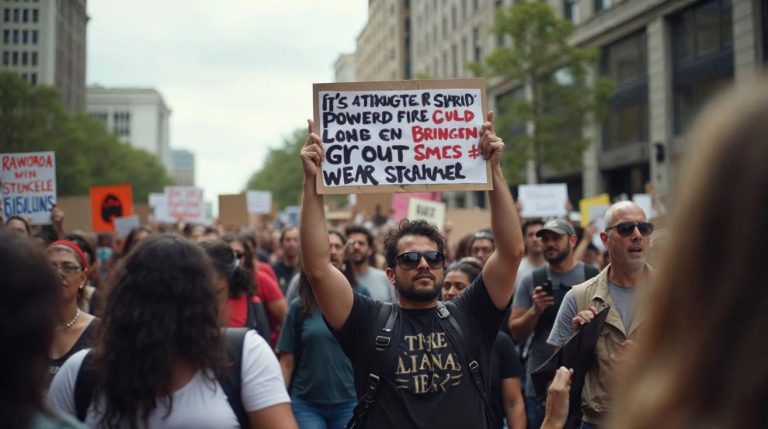
Now, young people continue to rise, harboring grievances against modern injustices. As they hold up signs and fill the streets, they might just find echoes of the past in their voices. Today’s movements can certainly learn from the endurance and mistakes of 1968’s radicals. They remind us: it’s important to stay wary of fragmenting agendas and prioritize unity, even if complete consensus seems out of reach.
And despite what might seem like inevitable setbacks, the power of persistence should never be underestimated. Was it surprising how long-lasting the impacts of those protests were? Perhaps, but it’s a testament to the strength of youthful determination. Determination that can make a difference.
In the dynamic world of student activism, change is the only constant. So the next time you dismiss a student protest as just youthful rebellion, pause for a moment. Consider this: what if these students hold the keys to our collective future? It’s quite the notion to ponder, indeed.
Remember, the ethos of 1968 may well be alive, reminding us all that the power to change the world is never out of reach. We just have to be bold enough to seize it, and bold enough to believe.
Let’s keep engaging in conversations, sharing insights, and staying informed. Join the discussion—perhaps you’ll find the revolutionary spirit of 1968 within your own community.