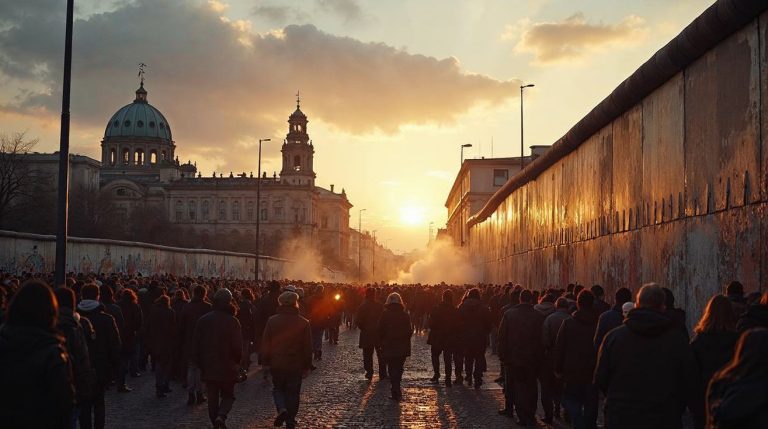
From Cold War Propaganda to Constitutional Reform: A Political Journey
Imagine you’re leafing through the past, tracing the echoes of forgotten dialogues and the whispers of political drama. This tale isn’t just about history; it’s a canvas with bold strokes of ideology and diplomacy. You’d be surprised—really surprised—at how much a nation’s political landscape can shape its very soul.
The Cold War’s Unseen Playbook
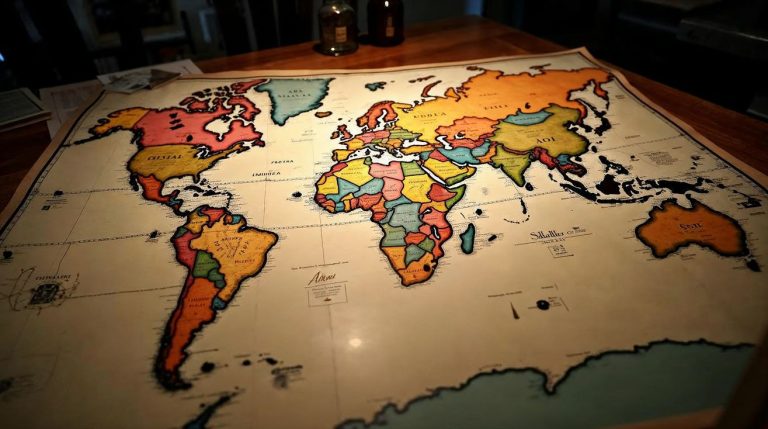
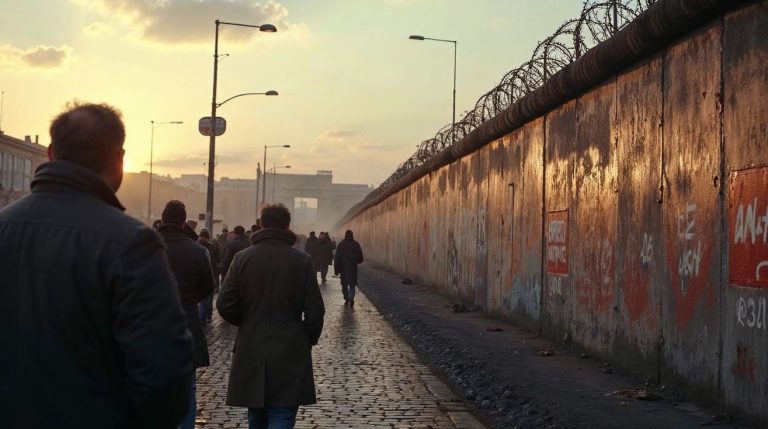
Have you ever wondered how the Cold War spiraled into more than just an arms race? It was, in many ways, a battle of narratives and perceptions. The two superpowers, the United States and the Soviet Union, seemed locked in an ideological tussle that transcended physical borders. This wasn’t merely about who had more missiles; it was about who could sway the hearts and minds across the globe. According to a Britannica article, each side used propaganda as a tool of influence, each trying to project the best version of its own ideology. Can you picture the subtle ways they wove their narratives into everyday life?
Constitutional Reform: A Turning Point
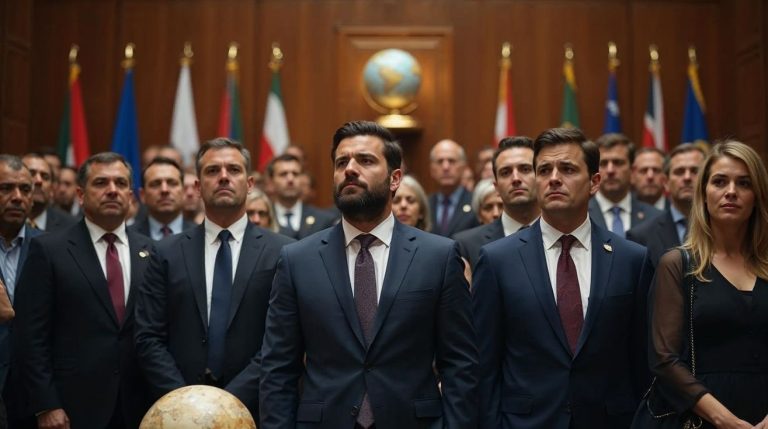
While the Cold War brewed its storm, back home, the winds of change were stirring—albeit slowly. Nations began to recognize the need for reform and, in some cases, revolutionized their own constitutions. It was a period of awakening, if you will, where countries started to redefine what democracy meant for them. But why did this shift occur? For many, it was the realization that enduring peace and prosperity required more than just economic might; it called for legal and societal evolution too. This thread of change was evident across continents, influencing policies and initiating dialogues that still resonate today.
Media’s Role in Shaping Public Perception
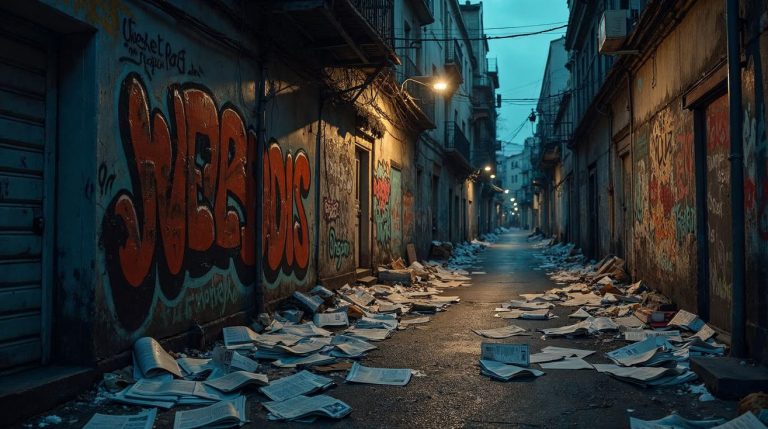
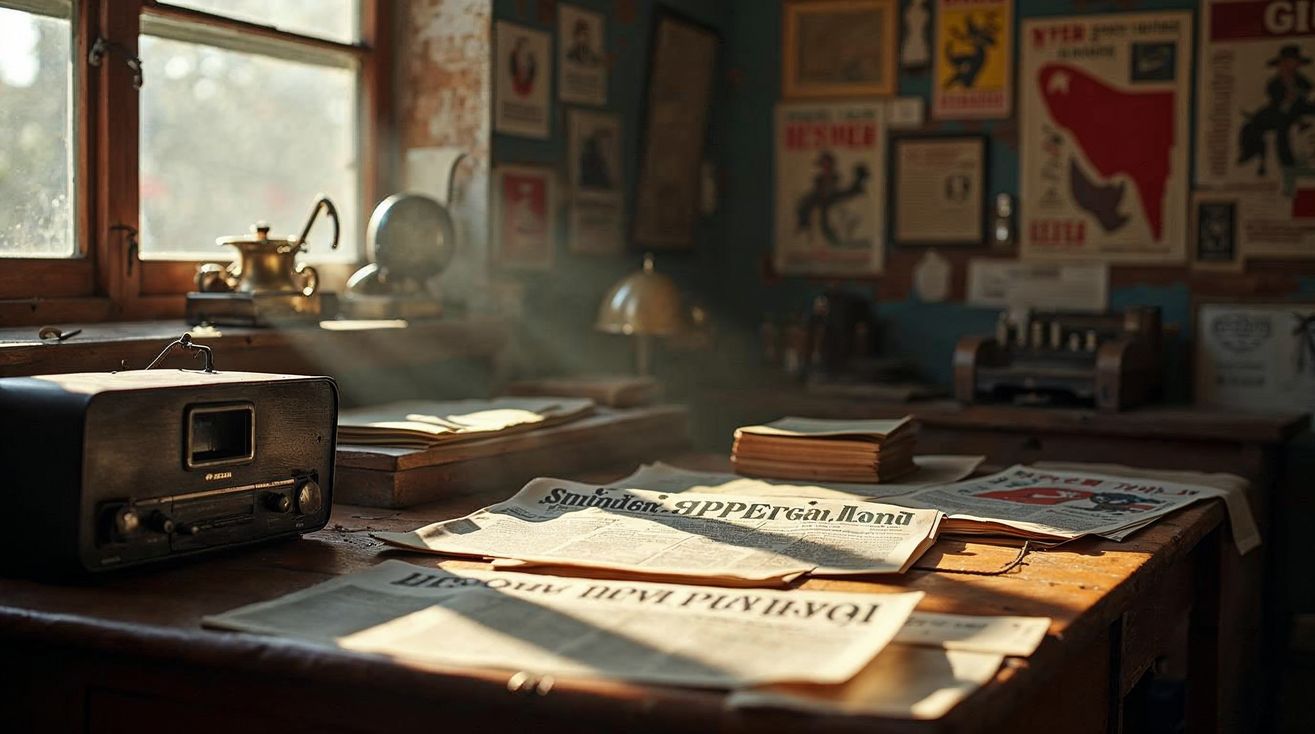
The media became both a vehicle and a battlefield. Images, stories, and broadcasts were used to paint allies and adversaries in stark black and white. Remember, this was the era before digital dominance—when newspapers, radio, and TV ruled. Media wasn’t just reporting; it was crafting, and reshaping public perception on a massive scale. Stunningly, it continues to echo in today’s digital age, where the battle for attention and influence rages on ever more fiercely. The legacy of this era’s media, strangely enough, set the stage for our modern information era.
The Legacy of Ideological Conflict
Fast forward to today, and the impact of those decades-old strategies still lingers. The Cold War’s ideological battle left behind ideas that continue to spark debates in modern politics. Even now, countries find themselves in a relentless cycle of balancing power with the need for reform. The dichotomy that began back then—between what is and what could be—remains a frequent topic of discussion. And get this: it’s not just about politics anymore; it involves technology, culture, and even climate change.
An from the History Channel shows how these legacies have shaped our world today and continue to influence global dialogues. It’s quite fascinating to see how the past and present are in constant conversation.
The journey of political narrative from the Cold War to constitutional reform is rich, complex, and undeniably human. It’s a reminder of how the sounds of history echo through our lives today.
For those of you intrigued by this tale, I encourage you to explore further. You can discover how these historical shifts continue to influence modern-day policies and societal norms—even your own perspectives. Let’s keep the dialogue going. What part of history do you feel still influences us today?