How medieval tax systems resemble today’s economic debates surprisingly closely
The echoes of history are often louder than we think. As we navigate today’s complex economic debates, an unexpected parallel emerges from the past. Yes, the medieval tax systems might seem archaic, but they hold surprising similarities to the arguments we’re having today. It’s almost as if we’re looking into a mirror, centuries apart. But what can we learn from these historical systems, and why does it feel like we’re still grappling with the same issues?
The Medieval Taxation Landscape
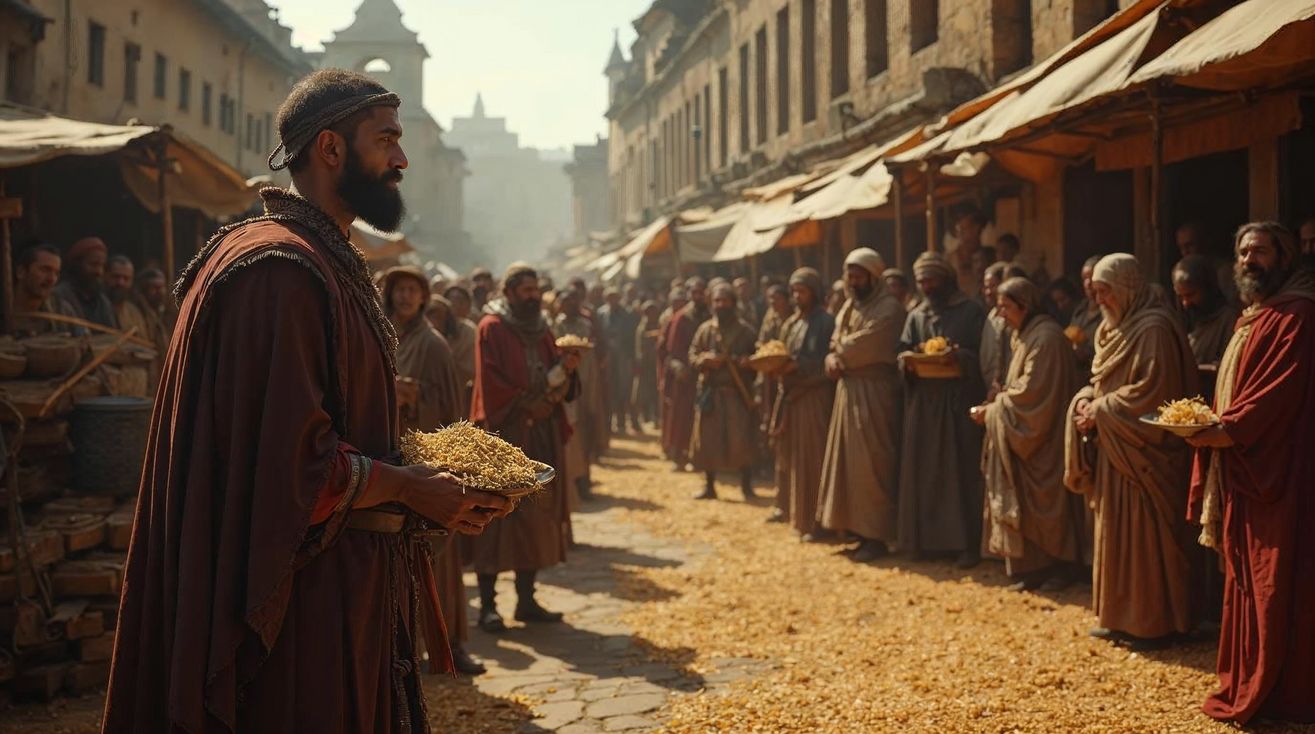
Back in the Middle Ages, taxation was far from the streamlined process we know now. It was a patchwork of obligations, often dictated by a mix of feudal lords, the Church, and burgeoning state authorities. Interestingly, it wasn’t just about money. Many taxes were paid in kind—grain, livestock, or even service. While this system might sound chaotic, it was surprisingly effective for its time. But here’s the kicker: just like today, people back then debated who should bear the brunt of these taxes. The wealthy elite often found ways to dodge their dues, leaving the burden on the common folk. Sound familiar?
Lessons in Inequality
Fast forward to our current economic environment, and you’ll notice a startling resemblance. The debate over wealth distribution is as heated now as it was then. The rich getting richer while the middle and lower classes struggle is a tale as old as time. According to a report by the OECD, income inequality is a significant issue today, much like it was during medieval times. The challenge is figuring out how to address this persistent disparity. Can history offer us insights, or are we doomed to repeat the same mistakes?
Taxation and Representation
One of the most famous phrases in history, “No taxation without representation,” emerged much later, but its roots can be traced back to medieval sentiments. People wanted a say in how their money—or goods—were used. Even then, there was an underlying tension between taxation and governance. Today, this manifests in debates over how tax revenue should be spent, whether on social services, defense, or infrastructure. The medieval mindset of wanting a voice in financial matters is alive and well.
Modern Echoes of Medieval Practices
Believe it or not, some medieval tax practices still resonate today. The concept of a progressive tax system, where the wealthy pay a higher percentage, was somewhat mirrored in the Middle Ages. Nobles and the Church were expected to contribute more, though in practice, they often found ways around it. Today, discussions around tax loopholes and offshore accounts echo these medieval dodges. It’s a cycle that, despite advancements, keeps turning.
Why History Matters
So, why should we care about these historical parallels? Because understanding them might help us navigate our current economic landscape more effectively. If we acknowledge that these economic debates are centuries old, we might approach them with a fresh perspective. History is not just a series of events but a repository of lessons waiting to be learned. Imagine if we could finally break the cycle and create a fairer system for everyone.
As you ponder these connections between past and present, consider how these lessons could shape our future. The medieval world may seem distant, but its impact on today’s debates is undeniable. It’s a reminder that while technology and society have evolved, human challenges remain remarkably consistent.
In the end, what remains is a call to action for each of us. Engage in these discussions, advocate for fair policies, and maybe, just maybe, we’ll find a way to learn from history rather than repeat it. After all, isn’t it time we wrote a new chapter in this age-old story?