10 political manipulation techniques used for centuries that still work today
It’s uncanny, isn’t it? The way political manipulation seems to weave itself seamlessly through the fabric of history and right into our modern lives. You’d think that with all the technology and enlightenment of the 21st century, we’d be immune. But here we are, still falling for those time-tested techniques like moths to a flame. Here’s a closer look at some of these methods that have stood the test of time.
Fear as a Powerful Tool
Fear — it’s a primal emotion, deeply embedded in our psyche. Politicians have long understood that by playing on fear, they can sway public opinion with remarkable efficiency. Whether it’s fear of the unknown, fear of the “other,” or even fear of losing what we hold dear, this tactic is as old as politics itself. Consider the Cold War era; both sides used fear to justify arms races and foreign policies. Fast forward to today, and you’ll see leaders using similar tactics on issues like immigration and national security. According to a Psychology Today article, fear can be a more compelling motivator than hope, which explains its persistent use.
Divide and Conquer
Ah, the classic divide and conquer. By pitting groups against each other, leaders can maintain control and prevent unified opposition. This technique has been used from the Roman Empire to colonial rule, and yes, it’s still very much alive. Political parties today often highlight differences between demographics to rally their base, sometimes at the expense of national unity. It’s the kind of strategy that works because people naturally gravitate towards in-groups and out-groups — and honestly, it’s surprising. Really surprising, how effective it remains.
The Art of the Big Lie
Here’s a tough one to swallow, yet it’s disturbingly effective. The “big lie” technique involves repeating a falsehood so often that it becomes accepted as truth. Think of the propaganda used in World War II, where misinformation was a powerful weapon. Even today, we see this in the form of disinformation campaigns and fake news. The digital age has only amplified the reach and impact of such tactics. According to a study by Nieman Lab, false information spreads faster than the truth on social media platforms, making this technique even more dangerous.
Emotional Appeals and Rhetoric
Emotional appeals are the bread and butter of political speeches. By tapping into people’s feelings, politicians can bypass rational analysis and connect on a more visceral level. This is why stories and anecdotes are favored over dry statistics. Remember Martin Luther King Jr.’s speeches? They were powerful not just because of their content but because of the emotional resonance they carried. In modern campaigns, emotional appeals are used to build a personal connection with voters — and yes, it happens more often than you’d think.
Symbolism and Imagery
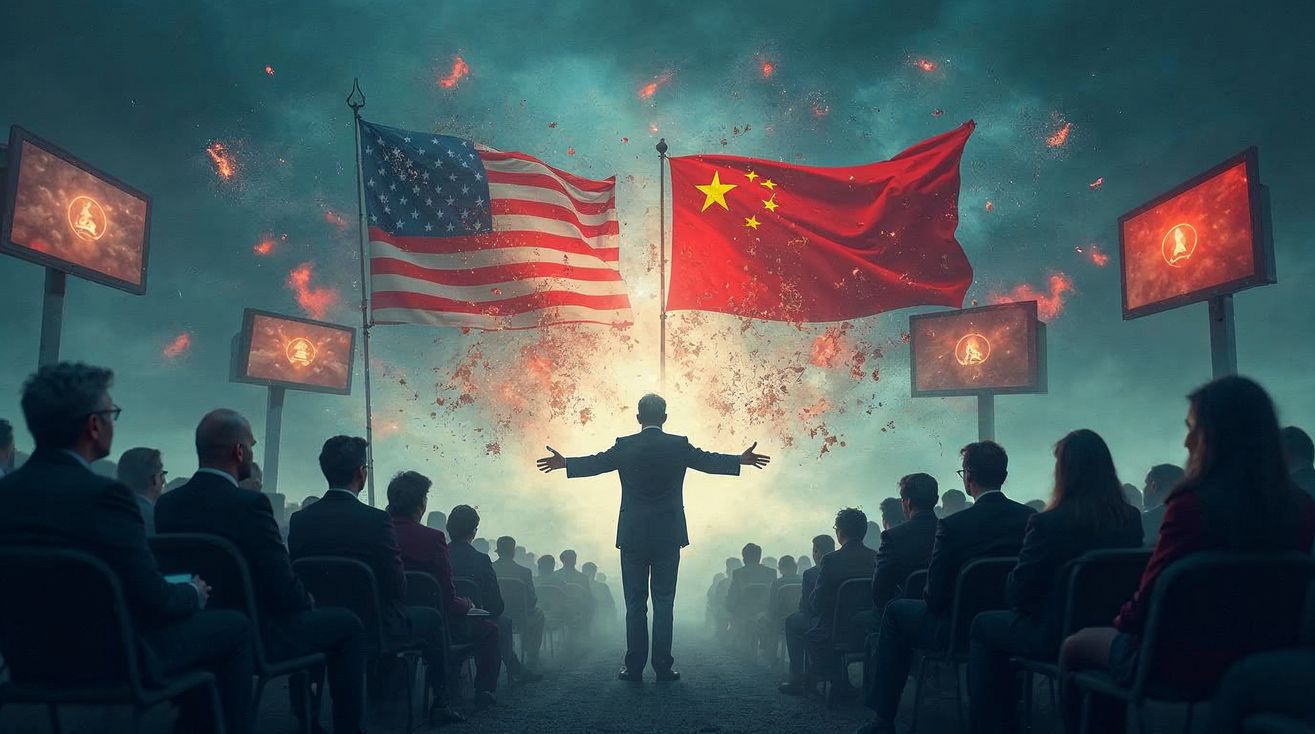
Symbols and imagery have a way of speaking directly to our subconscious. Flags, mascots, and logos are not just decorations; they’re carefully crafted tools of persuasion. Think of national flags and how they evoke patriotism and unity. Politicians use symbols to represent ideals and values, rallying people around a common cause. In recent years, the use of memes and viral images has taken this technique to new heights, making it a staple in digital political campaigns.
Manipulating Language
Words matter — they shape perception and influence behavior. By carefully choosing language, political figures can frame issues in a way that aligns with their agenda. Consider terms like “tax relief” instead of “tax cuts,” which imply that taxes are burdensome. This manipulation of language can subtly guide public opinion in a desired direction. The subtle art of linguistic framing is a powerful tool in the political arsenal, often going unnoticed by the average voter.
Leveraging Media
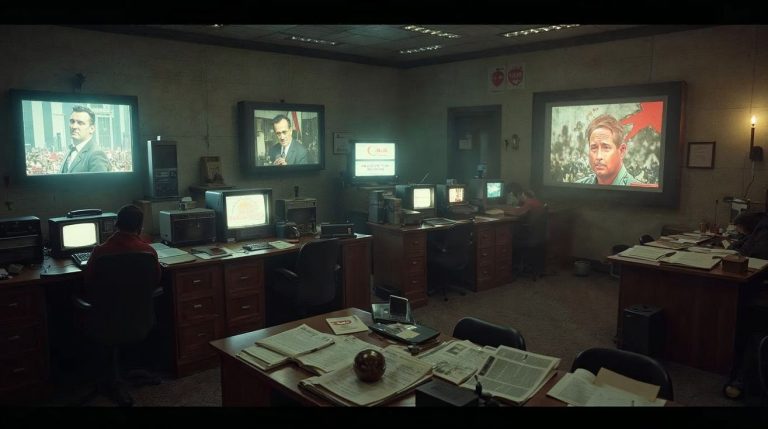
The media has always been a crucial player in political manipulation. From newspapers to radio, television, and now the internet, those in power have sought to control the narrative through these outlets. State-run media outlets are an obvious example, but even independent media can be influenced through advertising and political pressure. In the digital age, social media platforms have become battlegrounds for shaping public discourse, often blurring the line between factual reporting and opinion.
Creating Scapegoats
When things go wrong, it’s human nature to look for someone to blame. Politicians have long exploited this by creating scapegoats to deflect responsibility and unify their followers against a common enemy. During economic downturns, minority groups or foreign nations are often blamed for problems, shifting attention away from domestic policy failures. This tactic is not only divisive but also perpetuates cycles of prejudice and discrimination.
As you can see, these manipulation techniques have evolved but remain deeply entrenched in political strategy. They work because they tap into fundamental aspects of human psychology, making them incredibly difficult to resist. But perhaps by understanding these methods, we can become more discerning and less susceptible to their influence.
In a world where information is power, staying informed and questioning the motives behind political messages is crucial. So next time you find yourself swayed by a political argument, take a step back. Reflect on the techniques at play and consider the bigger picture. It’s only by doing so that we can hope to see through the smoke and mirrors — and make decisions that genuinely reflect our values.