How intelligence agencies quietly influenced the modern world
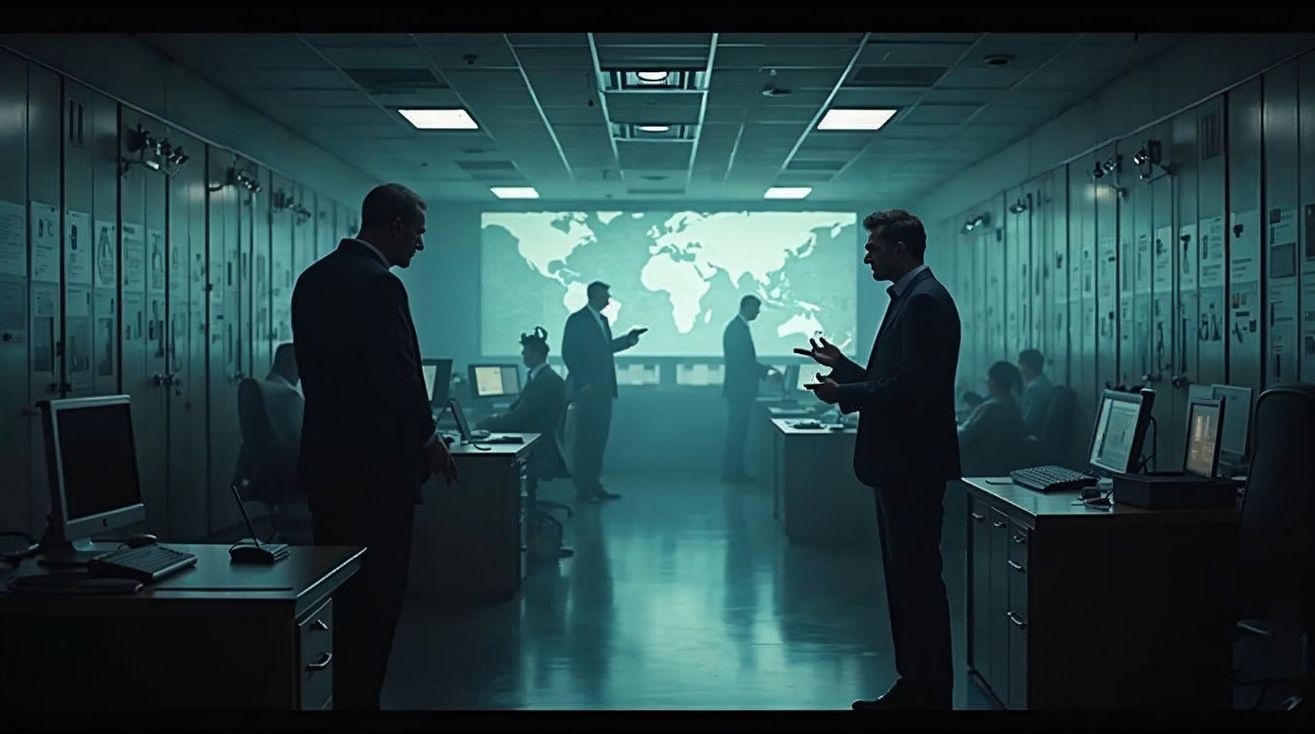
Imagine a world where the silent whispers of intelligence agencies echo in the corridors of power, shaping decisions that ripple through history. It’s a secretive dance, performed behind the veil of official narratives, where shadows wield more power than ever acknowledged. Welcome to the enigmatic world of intelligence agencies, the unseen architects of modern geopolitics.
In the realm of intelligence, subtlety reigns supreme. Agencies like the CIA and MI6 have long been at the forefront, maneuvering through political landscapes with a deftness that borders on artistry. But how exactly have these organizations molded the world as we know it?
The Covert Architects of Global Affairs
Throughout history, intelligence agencies have played a pivotal role in determining the fate of nations. Consider the Cold War—a period where espionage wasn’t just a tool but a defining characteristic. The invisible battles waged by the CIA and KGB were as critical as any fought on physical battlegrounds. Through covert operations, they influenced everything from elections to revolutions.
For instance, the CIA’s involvement in the 1953 Iranian coup is a textbook example. A report by The New York Times reveals how the agency orchestrated the overthrow of Iran’s democratically elected Prime Minister Mohammad Mossadegh, reshaping the nation’s political landscape. It’s a stark reminder of how intelligence work can alter the course of history.
The Power of Information
In today’s digital age, information is power—and intelligence agencies have become masters at wielding it. The National Security Agency (NSA), for example, has developed extensive capabilities to monitor global communications. The revelations by Edward Snowden in 2013 highlighted the vast reach of these surveillance programs, sparking a global debate on privacy and security.
But it’s not just about eavesdropping. Intelligence agencies have also become adept at using information to influence public perception. The concept of “psychological operations,” or psy-ops, involves spreading propaganda to sway opinions and create desired outcomes. It’s a subtle art of persuasion that can tip the scales of public discourse.
An Ever-Evolving Landscape
As technology advances, so too do the tactics of intelligence agencies. Cyber warfare has emerged as a new frontier, with state-sponsored hackers launching attacks that can cripple entire infrastructures. The 2016 U.S. presidential election saw alleged Russian interference through cyber means, raising alarms about the vulnerabilities of modern democracies.
The digital battleground is constantly shifting, and nations are investing heavily in cyber capabilities. According to a BBC report, countries like China and Russia are at the cutting edge of cyber espionage, constantly probing for weaknesses in their adversaries’ defenses. It’s a high-stakes game of cat and mouse, with global implications.
The Human Element
Despite the technological advancements, the human element remains crucial in intelligence work. Spies, with their clandestine meetings and coded messages, continue to be indispensable. The art of human intelligence, or HUMINT, involves cultivating sources and extracting valuable information—a skill that no machine can replicate.
Training for such roles is rigorous, often involving psychological assessments and stress tests to ensure operatives can handle the pressure of living double lives. It’s a world of high stakes and higher risks, where one misstep can mean the difference between life and death.
So, what does the future hold for intelligence agencies in this fast-paced world? As threats evolve, so must their strategies. The integration of artificial intelligence and machine learning into intelligence work is already underway, promising new tools for analysis and prediction. Yet, with these advancements come ethical questions about the balance between security and freedom.
The influence of intelligence agencies is profound and far-reaching. They operate in the shadows, their successes often uncelebrated, their failures magnified. And yet, their impact on the modern world is undeniable.
As we navigate this complex landscape, it’s crucial to remain vigilant and informed. Understanding the role of these agencies can help us better grasp the intricate web of global affairs. So the next time you hear about a covert operation or a cyber attack, remember—there’s always more happening beneath the surface than meets the eye.
And if this glimpse into the world of intelligence has piqued your curiosity, dive deeper. Explore the stories, understand the stakes, and engage with the ongoing dialogue about privacy, security, and the ever-watchful eyes shaping our world.