The untold history of political censorship — from book burnings to algorithmic shadowbans
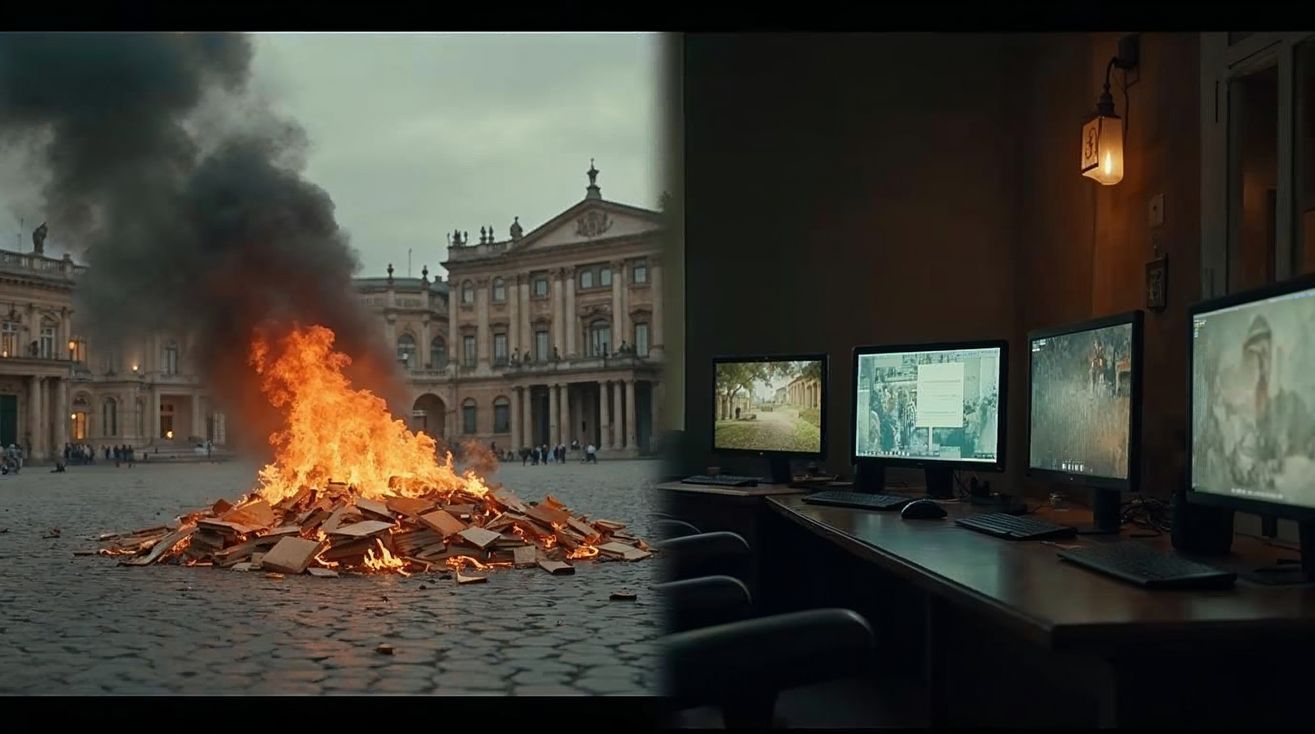
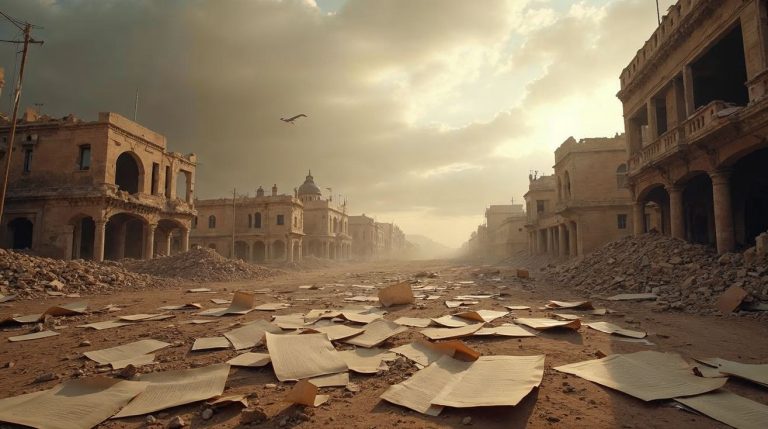
The flickering flames of history have always had a peculiar relationship with the pages of books. Imagine, if you will, a scene from centuries ago: a plaza filled with people watching as texts are devoured by fire. Fast forward to today, and the methods may have changed, but the essence remains. Political censorship, once a public spectacle, now often hides behind the quiet, coded veil of the digital world. What does this mean for our society? And perhaps more importantly, how did we get here?
The Fiery Beginnings of Censorship
The history of political censorship is as old as civilization itself. From ancient times, rulers have sought to control the narrative by suppressing dissenting ideas. The most dramatic of these efforts were the infamous book burnings. One of the earliest recorded instances occurred in 213 B.C., when Emperor Qin Shi Huang of China ordered the burning of books to eliminate any philosophical opposition to his rule. The flames were not just meant to destroy; they were a symbolic gesture to show the power of the state over knowledge.
Europe saw its own share of book burnings, with perhaps the most famous being the Bonfire of the Vanities in 1497 Florence. Here, followers of the monk Savonarola set a blaze to objects that were deemed sinful, including books. The flames were a chilling reminder of how easily cultural heritage could be reduced to ash.
The Evolution of Control
As centuries rolled on, the tools of censorship evolved. With the invention of the printing press in the 15th century, access to information became more widespread, prompting authorities to find new ways to control it. Enter the Index Librorum Prohibitorum, a list of publications deemed heretical or contrary to morality by the Catholic Church.
Fast forward to the 20th century, and you see political regimes employing more sophisticated methods. From Nazi Germany’s meticulous control over media to the Soviet Union’s state-run news, censorship became a state machinery. It was less about burning books and more about ensuring that only the “approved” narrative reached the public.
The chilling effect of censorship was profound. According to a Britannica article, many authors and intellectuals found themselves under scrutiny, often risking their freedom or lives to speak their truths. The stakes were high, and the battle between control and freedom of expression raged on.
Digital Shadows: The New Face of Censorship
Today, the battle has moved to the digital realm. In a world where information is at our fingertips, the means to control it have also become more sophisticated. Enter the age of algorithmic shadowbans. Unlike the overt censorship of the past, these are subtle, almost invisible. They occur when social media platforms limit the visibility of certain content without users even realizing it.
The implications are both vast and unsettling. Algorithms, designed to enhance user experience, can inadvertently—or intentionally—suppress dissenting voices. It’s a modern-day dilemma where the lines between censorship and moderation blur. An article by The Guardian highlights how these algorithms can inadvertently reinforce existing biases, leading to an echo chamber effect where diverse opinions struggle to be heard.
The Human Element in a Digital World
In this intricate dance of information control, one cannot overlook the human element. People design algorithms, set policies, and ultimately decide what is seen or hidden. It’s a reminder that behind every digital decision, there is a human choice. And with that choice comes responsibility.
As we navigate this complex landscape, it becomes crucial to question who controls the information we consume. Are we seeing the world as it is, or as someone wants us to see it? These questions are vital in an era where misinformation can spread like wildfire, and truth itself becomes a battleground.
The untold history of political censorship is not just about the past; it’s a living narrative that continues to unfold. Understanding its roots helps us better grasp the challenges we face today. As we ponder the future, it’s essential to advocate for transparency and fairness in how information is handled.
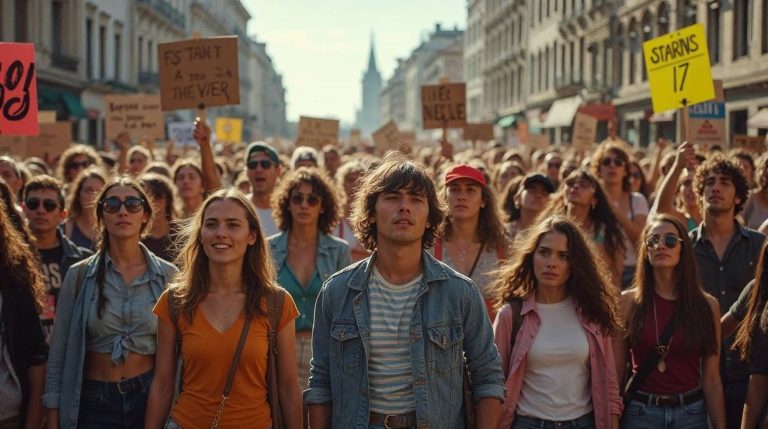
So, what can you do? Stay informed, question the narratives, and engage in conversations that matter. After all, history shows us that change often starts with a single voice willing to speak out. And who knows? That voice could very well be yours.