Why Empire and Decolonisation Still Haunt Climate Discussions Today

The ever-evolving landscape of climate negotiations is a landscape riddled with ghosts of the past—yes, even today. You might be wondering how something as seemingly progressive as climate action could have ties to historical empires and decolonization. Well, you’re not alone. It’s a complex tapestry, and unraveling it just might surprise you, really.
The Shadows of Empires
Climate change discussions, surprisingly, are deeply intertwined with the historical power dynamics of colonial pasts. The narrative starts with the industrial revolutions of European empires, which pumped massive quantities of carbon into the atmosphere. This kickstarted the climate issues we’re wrestling with now. According to NASA, these historical emissions still contribute significantly to the global warming we experience today.
As former colonies grapple with these environmental consequences, there’s a palpable sense of injustice. Many are left asking, “Why should developing nations carry the burden of problems created by wealthier, historically dominant countries?” In many ways, this is about fairness—and who owes whom, really.
Decolonization and Its Echoes
Ever noticed how some countries are louder at the negotiating table than others? That’s not by accident. Decolonization efforts are crucial backdrops to understanding modern climate negotiations. Former colonial powers often wield disproportionate influence, not just economically but politically, within international bodies.
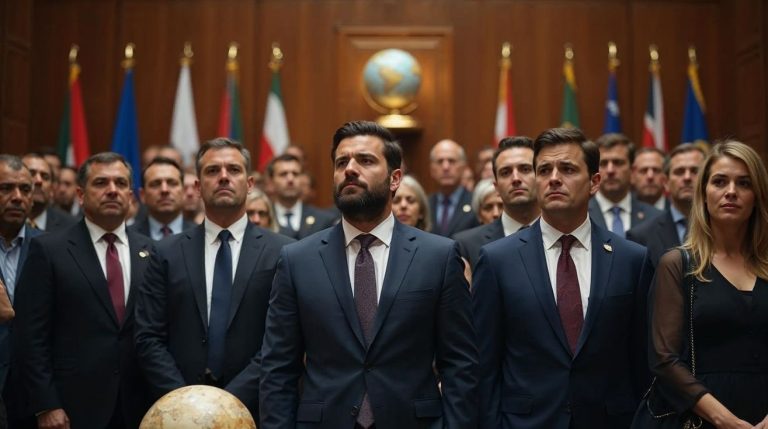
Experts from the United Nations acknowledge this uneven playing field. A report by the UN highlights that former colonies struggle not only economically but also in terms of access to the latest technologies to combat climate change. It’s a stark contrast when placed next to their former rulers who commandeered resources and opportunities for decades.
Negotiation Battles in Modern Times
Interestingly, today’s climate negotiations often mirror historical power struggles. A poignant example is the divide between developed and developing nations over climate financing. Who pays for what, and how much, remains a bone of contention. Some developed nations argue that assistance should be voluntary, while developing states cry for obligatory funding to help them tackle the climate impacts they face disproportionately.
Financial talks seem straightforward at first glance, but trust me—they’re fiercely contentious, charged with years of unresolved post-colonial tensions. According to a global policy analyst
“These debates are steeped in legacy issues that no one wants to perpetuate, yet no one seems to transcend.”
Looking Toward a Unified Future
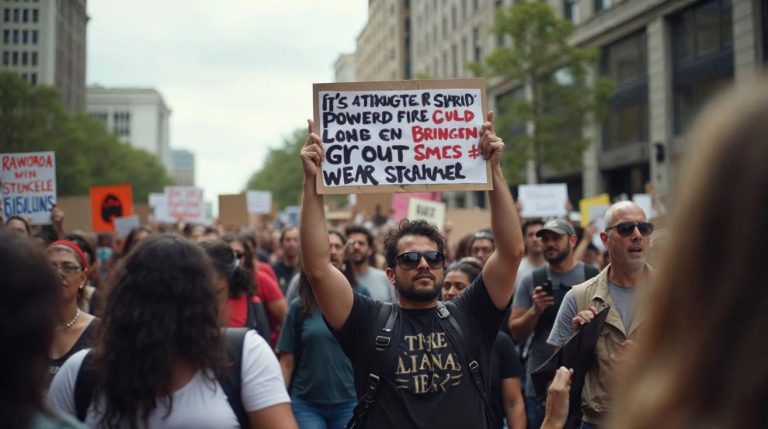
The looming specter of climate change offers a unique opportunity—one where true global cooperation could mend historical rifts. Many activists advocate for a re-evaluation of climate policies that factor in these entrenched inequalities. It’s about taking steps to ensure all countries, regardless of their past, have the support they need to survive and thrive in a world undergoing rapid environmental shifts.
A better future isn’t just a wish; it calls for committed action and an understanding of this shared history. By embracing a more inclusive approach, the hope is to champion not just environmental preservation but historical justice too.
In the end, perhaps we find ourselves asking, how will history remember this era? Will we be seen as the generation that clung to old divisions, or as the pioneers of a new, fairer world? It’s in our hands now, and together, who knows what we can achieve?
What are your thoughts? How do you see this complicated issue progressing on the global stage? Join the conversation and let’s foster a discourse that builds bridges—or even, just maybe, lays them to rest.