When The Iraq War Became a Landmark for Higher Education
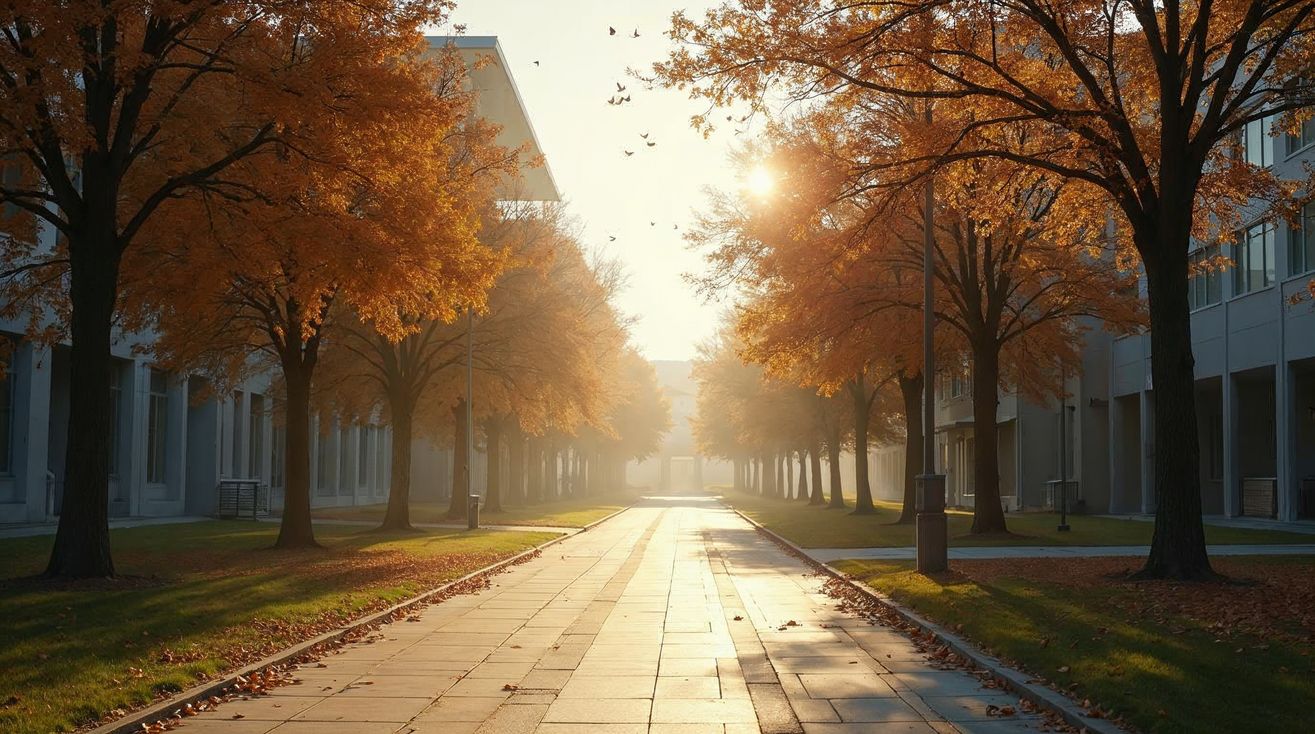
When you stroll down the winding, tree-lined streets of a campus today, it’s hard to imagine how dramatically the landscape of higher education has shifted over the years. The Iraq War, believe it or not, was one of those pivotal events that precipitated profound changes in college campuses across the United States — and perhaps even beyond.
The Shifting Sands of Enrollment
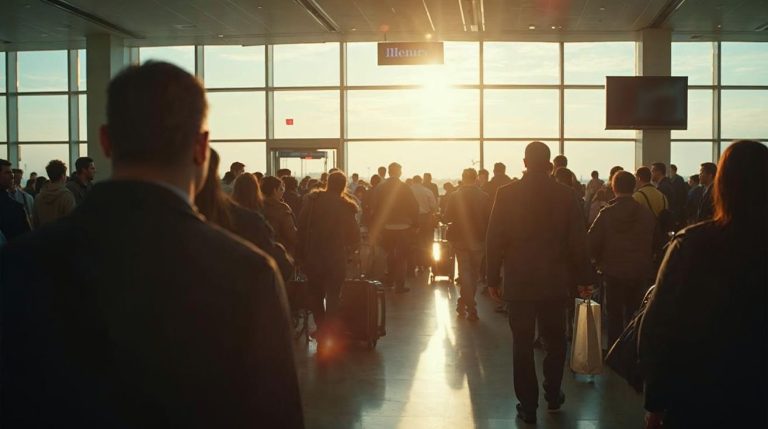
The surge in military recruitment during the Iraq War era led to a noticeable decline in college enrollments. Many young adults chose patriotism or a promising career in the military over a traditional college education. Universities had to adapt quickly. They began to court a broader range of students, reaching out to non-traditional learners, such as older students who might be looking for a career change or returning to education later in life. According to a National Center for Education Statistics report, the demographic of students aged 25 and older saw a marked increase during this time. Is it any wonder that online education soared in popularity as well?
The Rise of Online Learning
Strangely, as the world was battling conflict overseas, a revolution was happening in pixels and code back home. Colleges began adding online courses to their curricula, perhaps as a way to entice a broader audience and supplement shrinking enrollments. And it worked. Students who were unable to attend classes due to military deployment or those juggling jobs found solace in the flexibility of online programs. Institutions such as the University of Phoenix and Southern New Hampshire University became pioneering beacons, leading this educational charge.
Curriculum Overhauls: A Response to Global Events
Now, you might ask: Did the Iraq War alter what we learn? The short answer is yes. Academic programs evolved to incorporate more global perspectives. There was an increased focus on international relations, politics, and Middle Eastern studies — subjects that became highly relevant. Professors found themselves updating syllabi to keep up with the rapidly changing world stage. Students, meanwhile, clamored for coursework that would prepare them for an interconnected world, prompting universities to look beyond traditional Western-centric views.
Support Systems for Veteran Students
As military engagements drew to a close, campuses welcomed a wave of returning veterans. These brave individuals, who had spent years in service, now faced the daunting world of academic life. Colleges weren’t quite prepared for the unique challenges veteran students brought with them — but they quickly adapted. Many universities established veteran support centers, designed programs tailored to transition military skills into college credits, and offered mental health resources to help these students integrate smoothly. The Department of Veterans Affairs reported a notable increase in Post-9/11 GI Bill beneficiaries during this period, underscoring the scale of this shift.
Over time, these changes rooted themselves in the fabric of higher education, creating a more inclusive and adaptable system. It’s an evolution that continues to shape academic institutions today. How fascinating is it that a conflict so geographically distant left such a profound mark on the essence of learning here at home?
In reflecting on such transformative shifts, one can’t help but feel a twinge of nostalgia—mixed with a dose of gratitude. Our education system, though constantly evolving, remains a fundamental part of societal growth. Remember that, the next time you wander those campus paths or log into an online class. Stay curious, stay informed, and never hesitate to explore the endless avenues of learning available today.