The Story Behind Cold War Propaganda
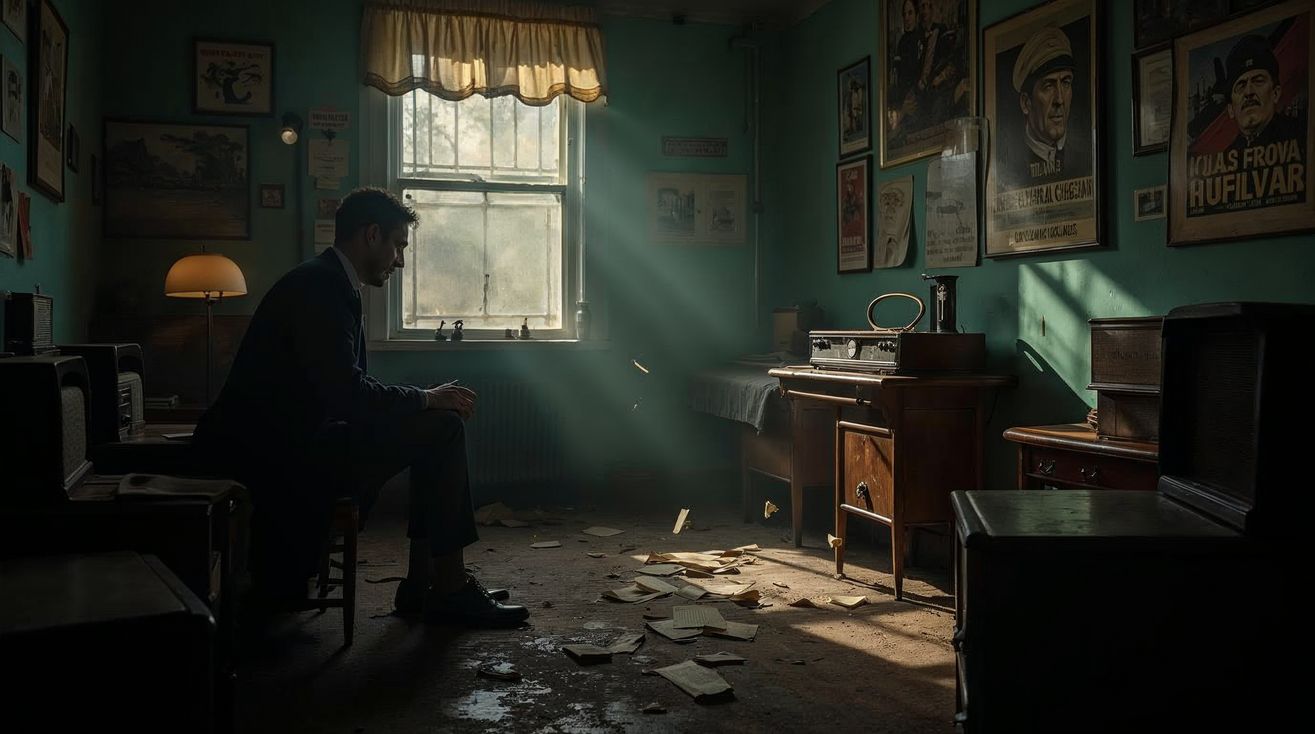
It was a chilling evening in the late 1940s when leaflets began to flutter down from the sky over Soviet territories, each one a whispering promise of a Western paradise. This curious chapter of the Cold War exemplifies the era’s most intriguing aspect: the art — or is it the science? — of propaganda. Understanding how these hidden messages shaped the course of history is like piecing together a puzzle that’s full of secrets.
Subtle Messages and Bold Claims
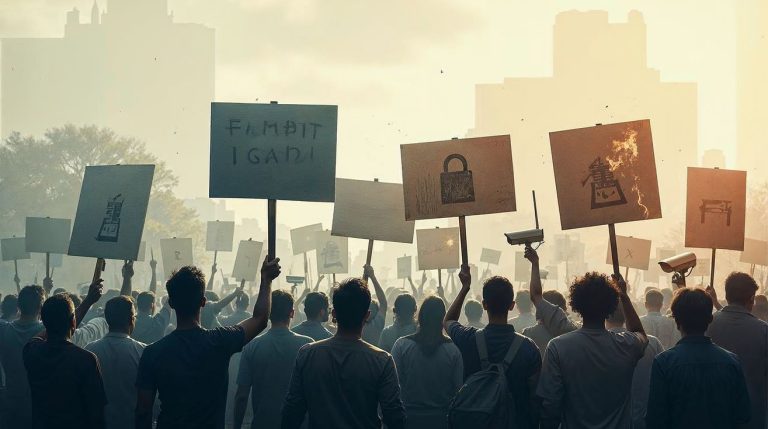
Imagine being a citizen during the Cold War, bombarded by arresting images and tantalizing slogans. Propaganda wasn’t just posters; it was an omnipresent force lurking in films, literature, and even education. The messages were both overt and cleverly disguised — and honestly, it’s surprising, really surprising, how deeply they penetrated everyday life. According to a Council on Foreign Relations article, these efforts aimed to instill fear or admiration, pulling every string to sway public opinion.
The Americans and Soviets, in particular, were the maestros of this discordant symphony, each side trying to outdo the other. From Uncle Sam’s reassuring presence to menacing depictions of the “Red Menace,” the aim was clear: control the narrative. A telling example was the Voice of America, broadcasting into the Soviet Union to share snippets of life in the democratic world — an invitation to question everything.
Turning the Radio Dial
Meanwhile, the radio became both battleground and refuge. Tuning in, listeners were serenaded by cultural offerings. Jazz, rock ‘n’ roll, and political commentary flowed across borders, subtly challenging the oppressive silence. The airwaves were alive with a clandestine rebellion that spoke to the heart and asked, “What if?”
Soviet counter-programs weren’t far behind. They painted the West in shades of decay and decadence, a reminder of the dangers lurking beyond their borders. This dance of frequencies was more than entertainment; it was a secret conversation, a question of beliefs. Professor Mark Connelly, a historian from the University of Kent, once noted how “the radio was neither seen nor held, yet it held power over millions.”
The Power of the Pen and Screen
Books and films were also on the frontline. Novels written by authors like George Orwell suddenly became tools of persuasion. “1984” and “Animal Farm” managed to capture the imagination of readers worldwide. Could there be more than entertainment in their pages? Many thought so. Writers picked sides knowingly or unknowingly, their stories transforming into platforms for ideology.
Cinema was no different. Films like “Red Dawn” and “Dr. Strangelove” shaped perceptions, dramatizing and, at times, even satirizing the Cold War tensions. Watching them, people couldn’t help but ponder the looming threat of nuclear war. They were art with an edge, entertainment with a purpose, and they asked uncomfortable questions in a world teetering on the brink.
The Echoes of Propaganda Today
And here we are now, years after the Iron Curtain fell but still very much under the influence of its tales. You might wonder if those Cold War tactics linger, perhaps even reinvented for the digital age. Admittedly, the platform has changed, but the song remains oddly the same. Every meme, every viral video might just be carrying a little nugget of persuasion.
In a report by RAND Corporation, experts point out that the line between reality and propaganda can blur, especially in the fast-paced digital world. Propaganda lives on like echoes bouncing through time, asking us to consider not just what we believe, but why.
So, as you scroll through your feed or catch a headline flickering into view, perhaps pause for a moment. What stories are they telling? Moreover, who’s telling them? The Cold War may have ended, but its lessons and echoes remain.
The next time you come across a seemingly innocuous advertisement or a news article, think back to those fluttering leaflets of yore. They were not just pieces of paper; they were real stories, human stories, of hopes and fears. Connect with it, question it, and stay curious — because we are all part of this ongoing narrative.