From The End of Apartheid to Contemporary Demonstrations: A Political History
The Journey from Apartheid to the Present
Let’s start with a scene: it’s the early ’90s, and a cautious optimism is enveloping South Africa. The end of apartheid is finally in sight—a monumental shift that’s been years, no, decades in the making. Yet, the road ahead isn’t smooth; it’s more like a twisting path through rocky terrain. Getting past apartheid was just the beginning, a vital chapter in the long, complicated story of South Africa’s political landscape.
Mandela, Reconciliation, and New Challenges
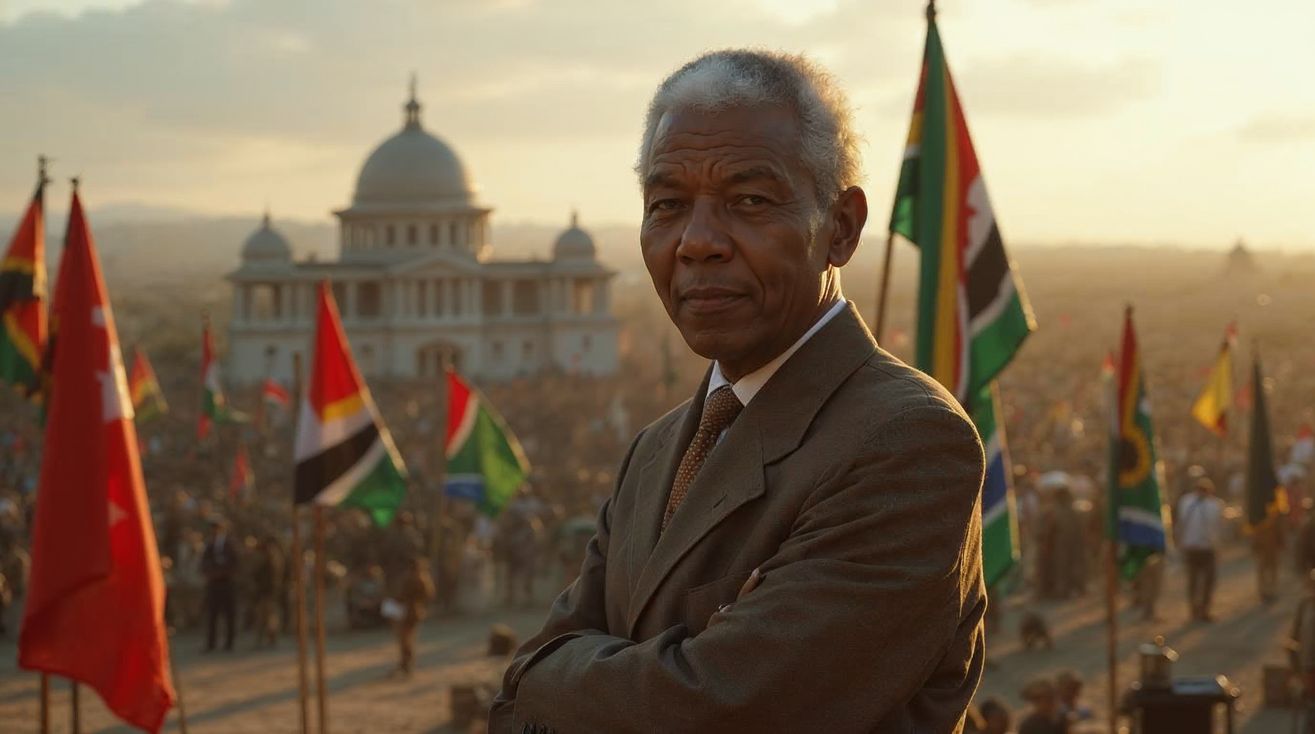
With the fall of apartheid, Nelson Mandela emerged as a beacon of hope. His focus was on peaceful reconciliation, a way to heal a nation fractured by years of systemic segregation and violence. Mandela’s visionary approach, while inspiring, didn’t erase the toll of the past overnight. The country was grappling with economic disparities and lingering racial tensions—as if historical ghosts were refusing to rest.
Mandela’s presidency ultimately aimed to balance moving forward while acknowledging past injustices. According to a report by the Nelson Mandela Foundation, his Truth and Reconciliation Commission played a crucial role in this. But even with all efforts, change was—and continues to be—a complex endeavor.
Political Shifts and Social Movements
Several administrations succeeded Mandela, each bringing their unique set of challenges and ambitions. You might recall the early 2000s, when economic growth surged. However, it wasn’t all rosy; corruption scandals began to surface increasingly, casting long shadows over political promises. And alongside the bumps in governance came social movements, pushing the boundaries of what was considered possible.
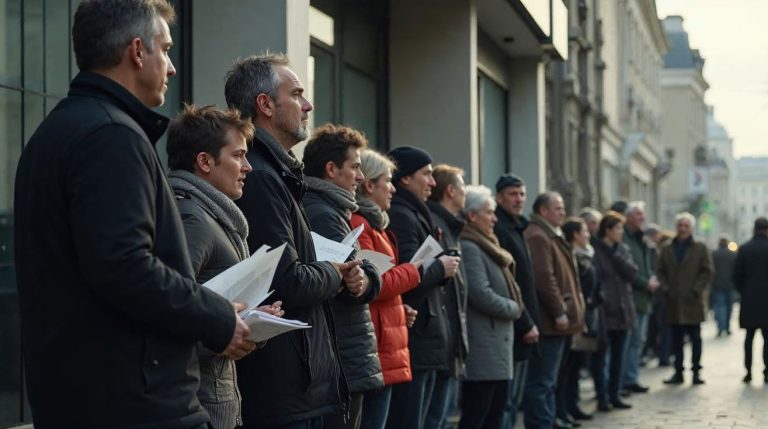
Fast forward a few years and the #FeesMustFall movement erupted in 2015. What sparked this? Well, it was the steep rise in tuition fees that finally broke the camel’s back. Students from all backgrounds took to the streets to demand affordable education, and their influence was significant. In a country still healing its old wounds, the student protests were a powerful call for the redistribution of opportunities—education being just one.
Technology as a New Platform for Advocacy
The rise of social media has played an unexpected—yet critical—role in political discourse. Twitter or Facebook, especially in this context, aren’t just platforms for sharing pictures or videos—though there’s a fair amount of that. They’ve become battlegrounds for political advocacy. In the hands of younger generations, they’re wielded like modern-day megaphones, broadcasting calls for equality, accountability, and fundamental change.
Take the more recent #AmINext movement, for example, which brought to light issues related to gender-based violence. Social media not only magnified these voices but also connected them with global audiences, raising consciousness not just at home, but overseas as well.
Lessons, Reflections, and Hope for the Future
Reflect on this: each political change, whether served with grandeur or subtlety, leaves behind learnings and lingering questions. Has democracy, with all its promises, truly fulfilled its potential in South Africa? The answer is complicated and woven with threads both optimistic and cynical. According to the Institute for Democracy in South Africa, there’s cause for guarded optimism, but challenges undeniably lie ahead.
And so, what can we take from this ever-evolving narrative? Maybe it’s the realization that history is never quite linear. It shifts and bends, depending on who is telling it and how. The fight for a more equitable society is ongoing, ceaseless. *Honestly, it happens more often than you’d think*—political victories won and lost like chapters in an endless book.
If you’re intrigued by the political saga of South Africa or what the current climate might mean for future changes, stay curious and informed. Share this with those who’d appreciate the story. Wouldn’t it be something if just talking about it sparked a new wave of understanding?