Why The Arab Spring Still Shadows Immigration Debates Today
The Arab Spring, just a phrase, but oh, the weight it carries! A decade later, it continues to echo through the corridors of politics and society, casting long shadows over our debates about immigration. Why does it still resonate? Let’s delve into this complex web, where history meets current events in unexpected ways.
The Roots of the Arab Spring
In the heart of the Arab world, the year was 2010. The spark was in Tunisia, of all places, setting off a sweeping movement that would challenge the status quo across numerous nations. People were hungry for freedom, clamoring for democracy, demanding change from regimes that had long silenced them. You could feel the tension in the air, a collective cry for reform.
Some governments responded with repression, while others tried limited reforms. It was, as some analysts argue, an inevitable showdown—a boiling point in societies burdened by economic woes and social inequalities. The Internet played its part too. It was perhaps the first uprising fueled in part by social media, with the world watching through Facebook and Twitter feeds. According to a BBC report, the Arab Spring’s initial momentum was both breathtaking and unpredictable.
The Aftermath: Echoes of Unrest
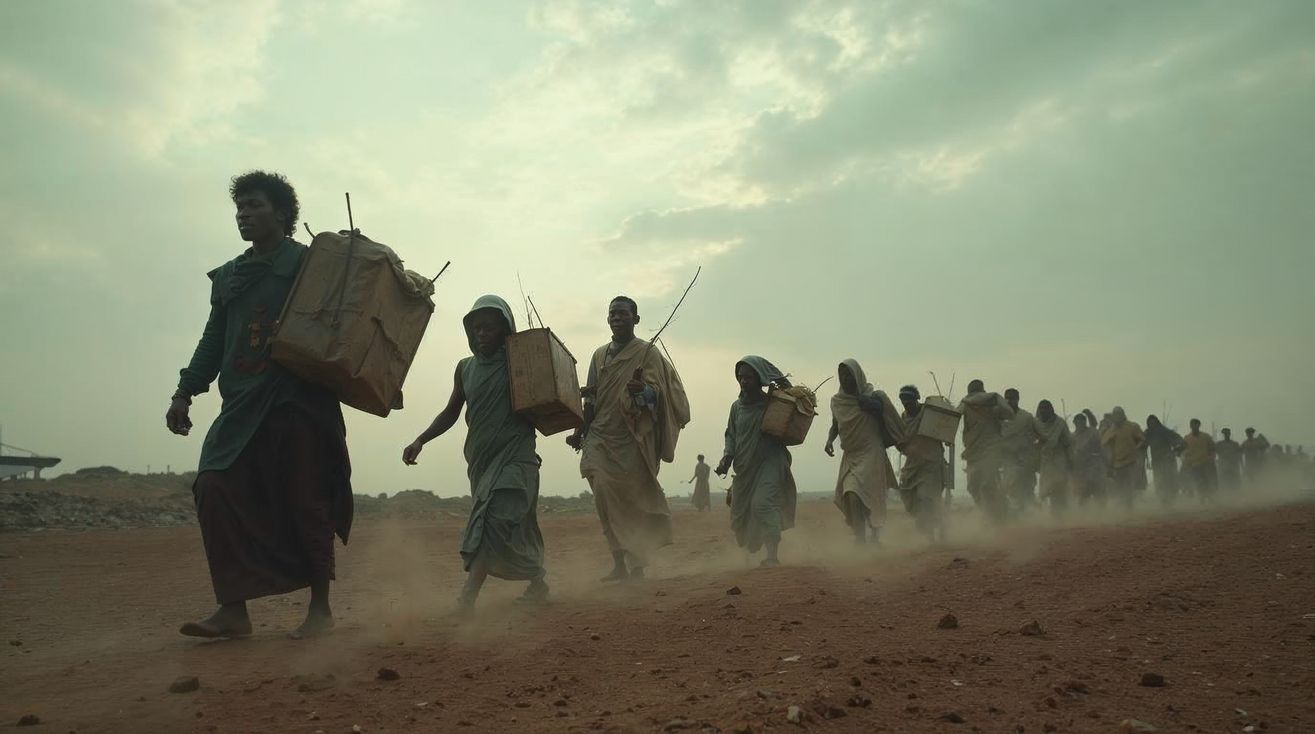
After the initial wave of revolts, many countries were left in states of turmoil, and some even found themselves embroiled in conflict, like Syria and Libya. Economies faltered, hope faded for some, and people were driven to seek refuge elsewhere. The world saw a surge in migration—people looking for safety, for better lives.
In Europe, these migratory flows have been met with mixed feelings. On one hand, there is compassion toward those fleeing turmoil, and on the other, a growing fear of cultural change and economic burden. The ensuing debates have often been heated. Can the echoes of revolutions past explain today’s immigration fears? In many ways, the answer is yes, albeit a complicated and nuanced yes.
Immigration Debate: A Divisive Issue
The topic of immigration remains a hot-button issue in countless countries. One can hardly turn on the news without hearing about it. In the U.S., discussions about border control, refugee status, and policy reforms are never far from the headlines. Europe, dealing with its own challenges, constantly grapples with its identity and values. And honestly, it’s surprising—really surprising—how often these debates circle back to the consequences of the Arab Spring.
There’s this notion of preserving national identity clashing headlong with universal human rights. It’s the kind of debate that can keep one awake at night. Save a thought for policymakers trying to find that elusive balance—a task that sometimes feels akin to walking a tightrope.
A Look at the Human Side
Imagine the individual stories, the personal struggles behind each statistic. Consider the mother who’s crossed borders to give her children a chance at a safer life, or the father who’s braved seas in search of employment. These personal journeys add a deeply human layer to the broader immigration narrative.
A fascinating UNHCR report underscores the crisis, pointing out that over 70 million people worldwide have been forcibly displaced. It’s a staggering figure and one that intimately ties back to the aftershocks of the Arab Spring.
The Road Ahead: What Could Be?
As we forge onward, the question remains—how do we address these deep-seated issues? Through empathy, informed policy-making, and, perhaps, a reevaluation of international cooperation. The path isn’t straightforward, but if history teaches us anything, it’s that change, however slow, is inevitable.
Experts like those from the International Organization for Migration suggest that while immediate solutions might evade us, a long-term strategy focusing on development and stabilization could be key. Let’s not forget, the human spirit is resilient. The voices that rose in the Arab Spring, though silenced in some places, continue to resonate and inspire.
In the end, these stories aren’t just about politics or economics; they’re about humanity. Wouldn’t you say it’s time we heard them with open hearts and minds?
Let’s engage with this narrative more compassionately, and consider how our actions today might reflect in the stories told tomorrow. It’s not just an immigration debate—it’s part of our shared global story. What role will you play in it?