The Long Shadow of Empire and Decolonisation in Constitutional Change
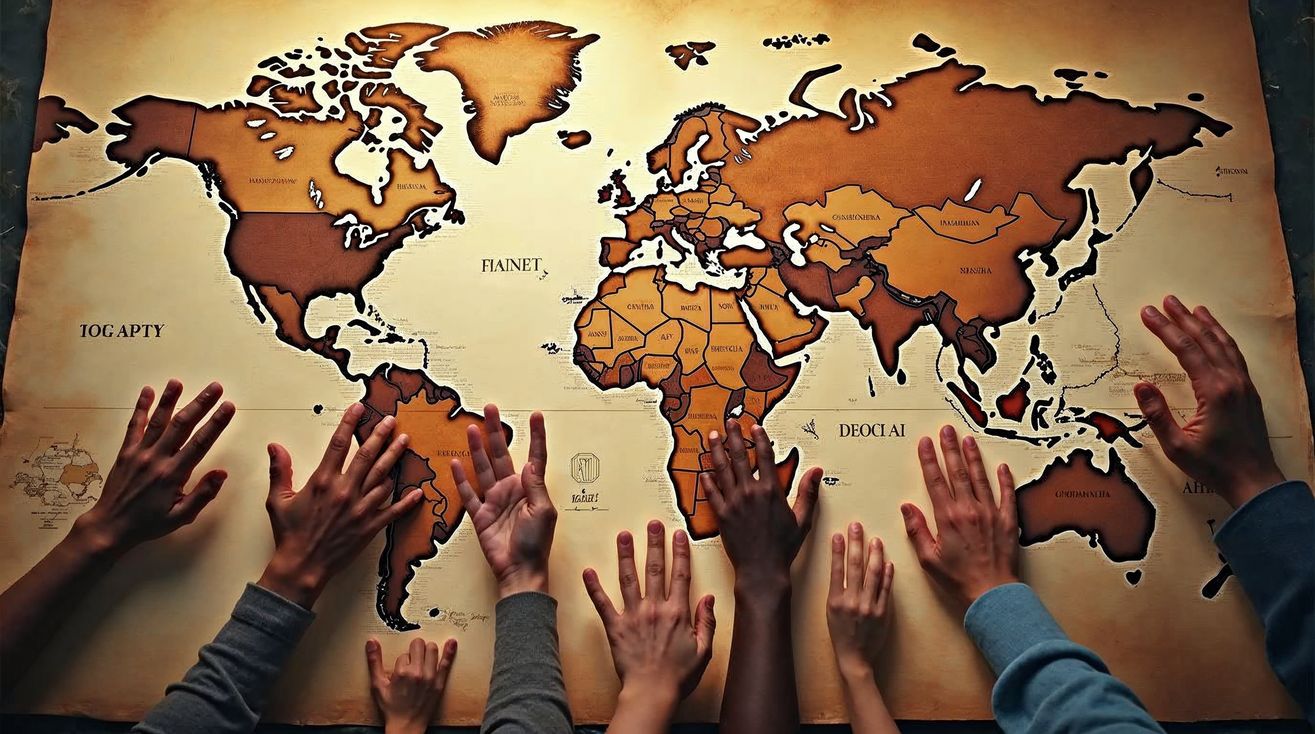
The hum of morning bustle mixes with the gentle rustling of leaves as a subtle hint of analysis starts creeping into the air. We’re about to delve into the intricate dance of “The Long Shadow of Empire and Decolonisation.” But why stop at constitutional reform? What about the echoes of history in our everyday lives?
Tracing the Footprint of Empire
The legacy of empires is not just chronicled in dusty tomes; it’s etched into the very fabric of modern governance. The constitutional structures of many nations, particularly those once under British rule, still show that lineage in their framework. From parliamentary procedures to legal jargon, you can almost picture the bygone empire pointing its finger, smiling knowingly: “I was here.”
But, the influence of these once-powerful entities hasn’t always been smooth sailing. There’s *contention* around the lingering effects of colonial rule. Critics argue that the current political systems in former colonies are often marred by outdated structures that do not reflect contemporary needs. A nuanced point of view, brought to light by a Guardian article, suggests there’s an urgent need for a revamp to address modern-day challenges.
The Path of Decolonisation
Decolonisation, a term often thrown around in academic circles, is essentially about dismantling the vestiges of this imperial grip. And honestly, the process can be surprisingly — really surprisingly — complex. True, some countries have taken giant strides toward achieving full autonomy. Yet, the shadow of colonial rule looms large. The task requires a delicate balance of pride in one’s heritage and a firm stride toward the future.
Consider this: reformation efforts are sometimes met with resistance, often from those who find comfort in established systems. There’s a sort of *cultural inertia*. A quote
from a political science expert at Yale underscores this challenge, emphasizing that “decolonisation isn’t just legal — it’s cultural, it’s social, it’s deeply personal.”
Embracing New Paradigms
So, what does embracing a new framework mean for today’s countries? It calls for a profound shift, an embrace of innovation while keeping an eye on tradition. This isn’t about erasing history but about acknowledging complexities and moving beyond them. Countries must work hard to build systems that reflect their diverse realities — not just lines drawn by colonizers of the past.
And yes, it happens more often than you’d think that these efforts are influenced by international advisories, agencies, and social movements. It’s like this beautifully messy lovesong to sovereignty, framed by the relentless push-and-pull of identity and governance.
A Window into the Future
Peering into the window of what’s next, one can’t help but feel a blend of hope and caution. Reshaping constitutional frameworks is no mere legal task; it’s a *story of peoples’ journeys*. There’s a personalized aspect that blends collaborative effort with indigenous wisdom. It’s about crafting something that speaks to the soul of a nation.
Some countries, like India and South Africa, have been lovingly reshaping their legal and constitutional narratives, infusing them with cultural nuances and contemporary relevance. This global movement has gained quiet momentum, inviting more countries to embark on this quest for authentic governance.
Here’s an insightful YouTube video that captures the heart of this transformation, delving into the stories of nations overhauling their constitutions to emerge from the shadows of their imperial past, blooming anew.
—
If this subject captures your curiosity, you’re in good company. The echoes of history offer a rich tapestry that envelops our modern lives — isn’t that a thought-provoking intersection? Why not explore further how these dynamics shape today’s world? Let’s engage, reflect, and maybe spark a conversation about crafting our future.