The Global Financial Crisis and the Evolution of Media Regulation

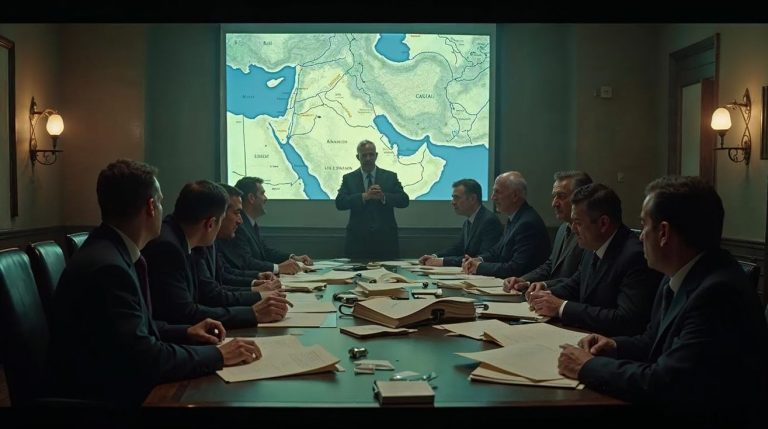
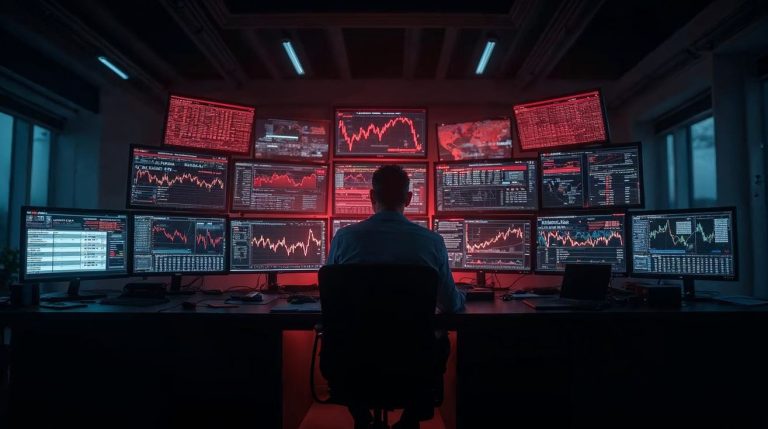
Imagine the scene: banks teetering on the brink, economies at a standstill, and the world holding its breath. The global financial crisis, a monstrous wave of economic turmoil, didn’t just affect stock markets and bank balances. It also spun its web across a wide array of sectors, including the media industry. The crisis exposed vulnerabilities and weaknesses in regulations, or rather, the lack thereof, acting as a catalyst for a much-needed evolution in media oversight.
Many might wonder: how exactly did financial unrest trigger changes in media regulation? It’s a valid question, and honestly, it’s surprising — really surprising. The crisis spotlighted the interconnectedness of financial institutions and media companies, highlighting their mutual dependencies. According to a Brookings Institution report, the massive loss of trust in financial markets cascaded into skepticism toward media institutions, which were believed to have failed in foreseeing and reporting the brewing crisis accurately.
The Evolution of Transparency and Accountability
If there was one lesson learned from the chaos, it was the need for greater transparency and accountability in media practices. Regulatory bodies scrambled to reinforce existing guidelines and introduced new standards for more accurate and trustworthy reporting. The notion of “fake news” wasn’t front and center back then, but you can almost picture the scene of how it started sowing seeds of doubt.
Suddenly, there was a call to action: journalists needed to dig deeper, editors were urged to verify more meticulously, and media executives faced increased scrutiny. This drive for transparency led to the emergence of fact-checking mechanisms and watchdog entities. In the U.S., initiatives like the International Fact-Checking Network came into play, highlighting the pressing need for a trustworthy press.
Technological Innovations and Media Regulation
Ah, technology — it’s both a blessing and a curse. As the world grappled with the aftershocks of financial instability, technological advancements in media production and distribution came bounding forward. The rapid development of digital platforms drastically shifted media consumption habits, further complicating regulatory efforts.
Regulators found themselves on a tightrope, balancing innovation with control. The very tools that allowed for broader information dissemination also paved the path for misinformation — a challenge that continues today. And yes, it happens more often than you’d think. To counteract this, strict digital publishing standards were crafted, aiming to curb the spread of unreliable information online.
An insightful New York Times article points out how platforms like Facebook and Twitter became both news distributors and makers, raising questions about the role of algorithms in shaping news consumption. This shift called for an urgent reevaluation of regulatory frameworks to keep pace with the changing landscape.
Looking Forward: Lessons Learned
Fast forward to today, and we see the imprints of these changes everywhere. The aftermath of the financial crisis served as a wakeup call for media regulators worldwide. It was a reminder that vigilance, transparency, and adaptability are not just buzzwords — they’re essential components of a resilient media landscape.
Technology and economic factors continue to influence media policies, setting up a complex dance between freedom of press and regulatory frameworks. As we look ahead, it’s crucial to stay informed and engaged. After all, understanding the evolution of media regulation isn’t just for scholars or policymakers — it’s important for every one of us who values credible information.
So, where does this leave us? Perhaps just a little bit more cautious, maybe, but certainly more aware. It’s a fascinating landscape to observe, isn’t it? Whether you’re a media enthusiast, a concerned citizen, or simply curious, keeping up with these developments is key.
And speaking of staying informed, why not dive deeper into the topic with this engaging video that unpacks the complex world of media regulation further?
To keep the conversation going, share your thoughts or questions about media regulation with us. Let’s explore this together!