The Post-9/11 Security Era and the Shaping of Global Politics
Bet you didn’t know this: amidst the droning hum of post-9/11 anxieties, a profound shift in global politics quietly unfolded. It’s easy to forget, but those transformative years immediately after the towers fell were like pebbles dropped into a still pond. The ripple effects, as subtle as they seemed at first, gradually altered the course of nations and set new precedents in international relations.
Heightened Security Measures
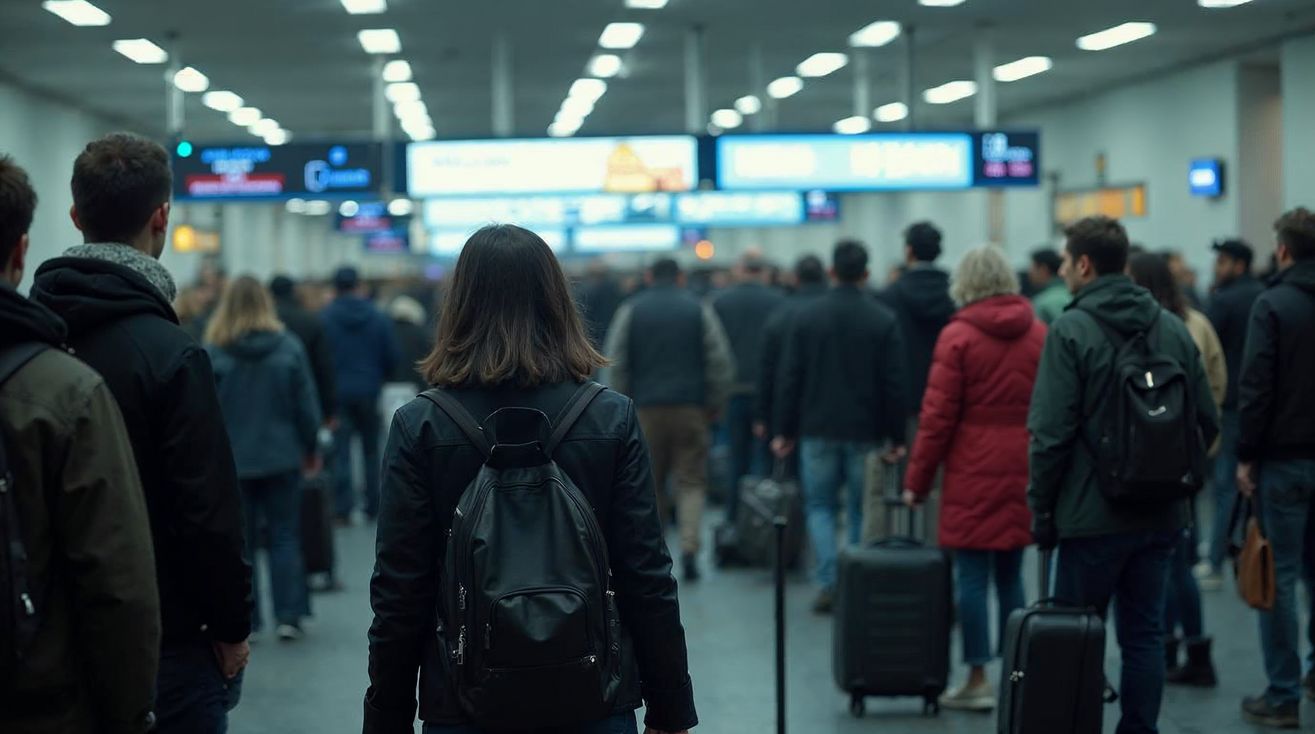
In the wake of that sunny September day, security surged to the foreground of government agendas worldwide. Airports became fortresses, each passenger a potential threat to be scrutinized. Facial recognition technology, once the stuff of science fiction, embedded itself into everyday life. Remember when you didn’t have to take your shoes off at the airport? Feels like a lifetime ago, doesn’t it?
According to a Council on Foreign Relations analysis, these changes weren’t merely cosmetic—they reshaped how top nations interacted on a diplomatic level, prioritizing security over discourse. It’s a shift that saw bilateral and multilateral dialogues increasingly focused on counter-terrorism initiatives and international security collaboration.
The Impact on Civil Liberties
Of course, as governments beefed up their defensive strategies, citizens everywhere felt the squeeze on their personal freedoms. Privacy rights took a noticeable hit. Mass surveillance programs spiked, invading our daily lives in ways many of us couldn’t have anticipated—imagine Orwell’s Big Brother, only now Big Brother’s in pocket size. The activists cried foul, asserting that these measures were veering dangerously close to authoritarianism.
And yet, despite widespread discontent, many accepted these changes as the new normal. Perhaps the urgency of the perceived threat made it easier to gloss over the costs. But let’s not mince words—this trade-off between freedom and security remains one of the most contentious legacies of the post-9/11 world.
Geopolitical Realignment
The geopolitical landscape, too, bent under the strain. Some countries found themselves forging unexpected alliances, drawn together by a common enemy: terrorism. Meanwhile, others were pushed further apart, old rivalries fanned into flames by new grievances.
It’s easy to discuss geopolitics in sterile terms, like playing chess on a global scale. But consider the emotions at stake, the basic human fears and aspirations driving these nations’ moves. The so-called “War on Terror” redefined alliances that had stood for decades, as countries recalibrated not just their politics, but their very identities.
Evolving Warfare Tactics
How wars are fought also changed in profound ways. Gone are the days of solely conventional battlefields. The rise of cyber warfare and drone strikes tells a story all its own, one that speaks to a modern era where enemies can be confronted without ever setting foot on foreign soil. How surreal is it, really, that a war can be fought from a computer terminal, with drones thousands of miles away?
In an eye-opening analysis, National Geographic illustrates how warfare’s evolution has raised ethical and legal questions we’re still struggling to answer.
Societal Shifts
Perhaps the most understated change was in the societal consciousness. A pervasive sense of vulnerability crept into daily life, an inherent caution that has somehow settled deep into the bones of many Western societies. This shift is felt in those everyday conversations, the ones where we casually say things like, “It’s better to be safe than sorry,”—it’s subtle, but the undercurrent is there.
Cultural portrayals in media, too, reflected this new reality. Films and TV shows began mirroring these tensions, indirectly teaching the global public about the complexities of modern security politics—our very entertainment carrying whispers of an uneasy world.
If you think about it, isn’t it astonishing how a single day can trigger such expansive change, leaving us grappling with its consequences decades later? Each ripple from that historic event altered a different aspect of life as we know it.
So, let’s not just observe these changes in silent awe. Instead, talk about them. Debate them. After all, understanding the past is the first step toward shaping a future we’re truly proud of. And who knows? Maybe one voice, one insightful idea sparked from these discussions, can help course-correct our path.
Feel free to share this article with anyone you think could benefit from a deeper perspective on the post-9/11 era. Because knowledge isn’t just power—it’s a way to connect us, one conversation at a time.