Remembering The Global Financial Crisis in an Era of Parliamentary Politics
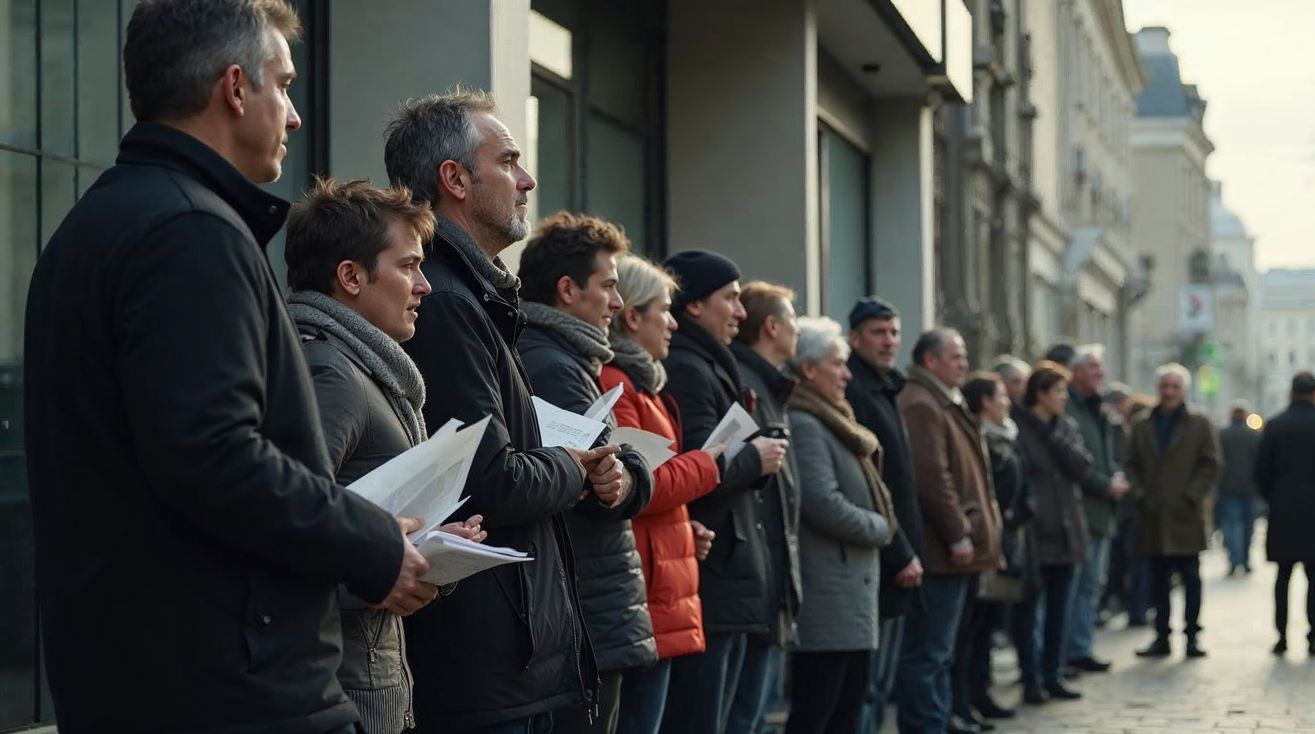
In the bustling, ever-transforming labyrinth of global economics, the memory of the Global Financial Crisis still lingers like a vivid, unsettling dream. For those who lived through the chaotic whirlwind of events in 2008, the specter of financial ruin remains a looming presence. Now, as we navigate another complex landscape of economic uncertainties and resilient parliamentary politics, this past crisis serves as a crucial touchstone. The question is: can we learn from history to avert future disasters?
The Lessons Learned, or Not?
Remember standing in line anxiously outside a bank, clutching your savings passbook like a lifeboat? Those were the days when financial systems seemed as fragile as a soap bubble. In retrospect, it’s not just about what happened but about the systems that failed—the cracks in the wall that allowed it to happen in the first place. According to a detailed analysis by Investopedia, weak regulatory frameworks and excessive risk-taking were the main culprits. So, have we since patched those cracks? Or merely painted them over?
Vividly remembering, the crisis erupted when the housing bubble burst, leading to a catastrophic collapse in mortgage-backed securities. Picture it: financial giants crumbling, once untouchable, now relegated to the pages of history. But, as destructive as it was, it also gave birth to enduring reforms—Dodd-Frank, stress tests for banks, and consumer protection acts. Yet, whether these measures are *truly effective* remains a point of hot debate.
A Parliamentary Approach
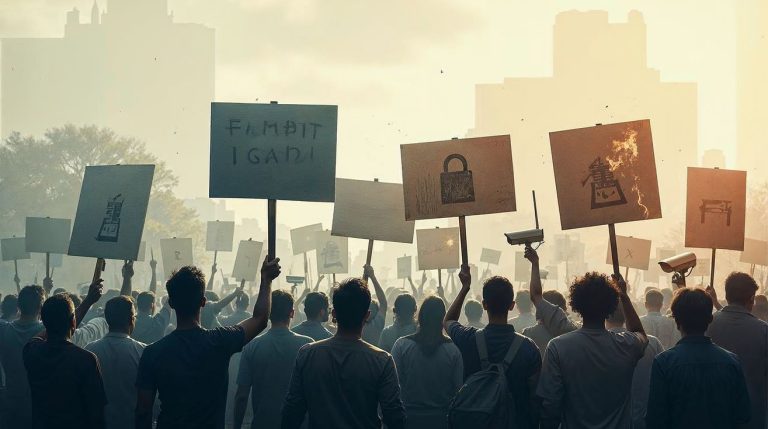
Enter the realm of parliamentary politics—a place where policies can either pave roads to recovery or spark another spiral into chaos. Talk about high stakes. Does the political apparatus today have the courage and foresight to make tough economic decisions? Or are there too many cooks in the kitchen, stirring up confusion?
In regions like the European Union, where parliamentary systems have a firm grip on economic protocols, the decision-making process is both art and ballet—a complex dance of negotiation and compromise. The resilience of these systems, as a Financial Times report illustrates, often depends on transparent processes and cooperation, not to mention a dash of visionary leadership.
The Human Element in Economic Equations
And yet, amid all these high-level talks and financial calculations, it’s easy to forget the individuals—ordinary folks like you and me. A delicate balance between markets and *humans* is required. Remember, behind every statistic is a story, a heart beating with hopes and challenges.
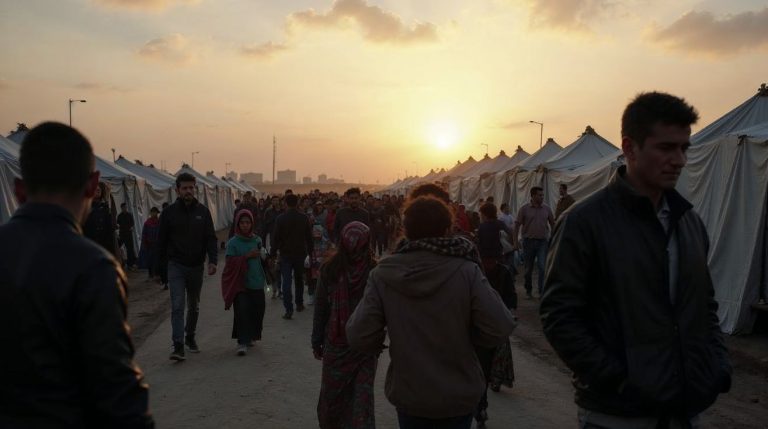
The flip side of colossal economic pivots is the direct effect they have on livelihoods. People lose jobs, businesses shutter overnight, and families scramble to make sense of it all. The emotional toll is no footnote—it’s the main narrative. And yes, it happens more often than you’d think.
A recent Yale University study highlights that during financial downturns, mental health issues see a marked increase. So, how do we factor humanity back into an often cold and calculating economic landscape?
Future Shock: Preparing for the Unknown
Is it a surprise, then, that we often wonder whether the ghost of past economic crises will rear its head again? Maybe it’s just a matter of time—or maybe, just maybe, we’re armed with enough experience now to steer away from the brink. But can we really say we’re prepared?
One thing’s for sure: vigilance is key. Staying informed, adaptable, and proactive is essential as our world evolves into an unpredictable mix of old and new economic paradigms. After all, those who do not learn from history are doomed, as they say, to repeat it.
Embedded below is a video offering intriguing insights into how global economies can better brace themselves for future storms. Take a moment to absorb these perspectives and reflect on the potential paths forward.
In these unpredictable times, staying informed and engaged is more important than ever. Dive deeper, question policies, and be part of the conversation. What do you think about our current economic resilience? Your insights could be more valuable than you know.