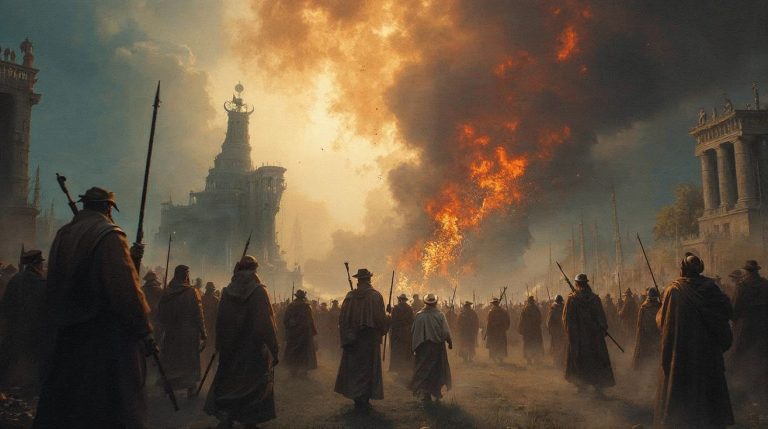
Remembering The Iraq War in an Era of Culture Wars
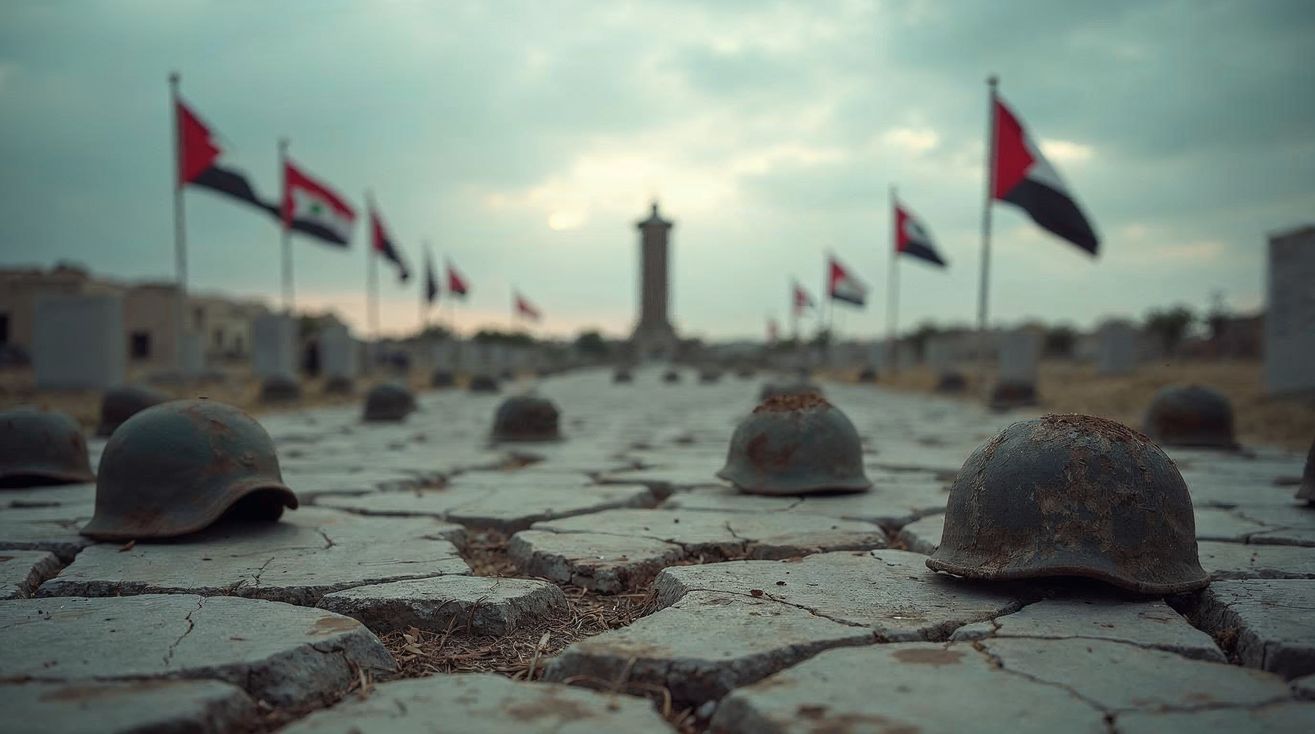
In a world where our attention spans are as brief as the latest TikTok trends, we often overlook pivotal moments in history. For many, the Iraq War stands as one of those moments. But ladies and gentlemen, let’s face it — the scars of that conflict aren’t just ancient history. They’re woven into the fabric of today’s heated dialogs, particularly in the swirl of cultural skirmishes we’re witnessing.
The Iraq War in Context
To understand the impact of the Iraq War, we must place it within its broader frame. This was a time of profound global uncertainty. The September 11 attacks had left the U.S. and much of the world grappling to comprehend a new kind of warfare — one without clear endgames or visible enemies. According to a Council on Foreign Relations report, this war was not simply a question of weapons of mass destruction but also one of ideology.
Today, this war’s legacy lingers. It influenced not just military endeavors but public consciousness regarding government transparency, foreign diplomacy, and — more crucially — media narrative control. Our screens became battlefields for who had the most compelling story to tell. Isn’t it something of a paradox that in trying to bring clarity, things have only become more blurred?
The Cultural Battlefield
If you think the cultural consequences are limited to policy shifts, think again. The Iraq War undeniably seeped into cultural spheres. Music, film, literature — all mirrored the tensions and traumas felt by a generation. In fact, the war’s ripple effect can still be felt today on platforms like YouTube and TikTok, where creators tackle topics once thought too politically fraught.
You can almost feel the cultural tension when exploring this rabbit hole. A reportage from the BBC offers insights into how artists and writers have graphed these feelings through their work, a testament to art’s ability to capture the mental scars wars leave behind. The discomfort of those conflicts often gave rise to some of the most raw and real artistic expressions — a cathartic release or a form of protest.
The Shifting Public Discourse
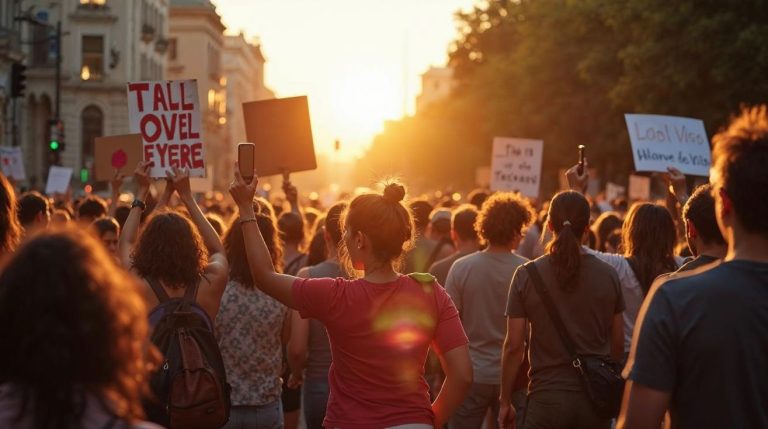
This conflict has also altered public discourse. Our conversations have evolved, weaving in components of skepticism and urgency. And honestly, it’s surprising — really surprising — how the source of political dialogue has shifted. There’s less binary discussion now; instead, more nuanced voices demand to be heard.
Social media, the digital agora of our age, plays host to these myriad voices, shaping and reshaping our perception of reality. Sometimes it feels like too many cooks in the kitchen, each with their own recipe for understanding. Amid the noise, the Iraq War’s echoes remind us to dissect stories more critically, to question more, and to, ultimately, learn from the past.
Lessons to Carry Forward
What then are the lasting lessons of the Iraq War? At its core, it serves as a reminder of the complex nature of conflict. It’s almost too easy to fall into simplified narratives, but this conflict demonstrated that wars are rarely black-and-white. The ramifications touch everything — from geopolitics to personal identity. And, yes, it happens more often than you’d think: debates rage on, often re-triggering memories, fueling further discussion.
A comment from a Georgetown University professor underscores this thought: “We must approach history with a sense of humility, acknowledging what we know and especially what we don’t.” A humble comment for an event that left such a complex legacy.
In this tangled web of the past and present, how do we untangle the threads? Perhaps the Iraq War’s greatest lesson is one of vigilance and understanding that can, and should, inform today’s decisions.
So, dear reader, what’s your take? Does the ghost of the Iraq War haunt you too? Let’s hear what echoes you’ve found in our labyrinthine world. Dive into the conversation with curiosity and a touch of skepticism — the conversation is far from over.