Why Empire and Decolonisation Still Influence European Integration Today

There’s a peculiar haunting in the corridors of European political discourse these days. It’s the ghost of empires past, of decolonization processes that never really stopped echoing through history. This isn’t just a topic for dusty textbooks or ivory tower debates. It’s alive and kicking, affecting modern European integration in ways both subtle and profound. But what’s really going on here? How do these historical shadows shape the unity – or disunity – of Europe? Let’s dive into this deeply intricate web of history and politics.
The Lingering Shadow of Empire
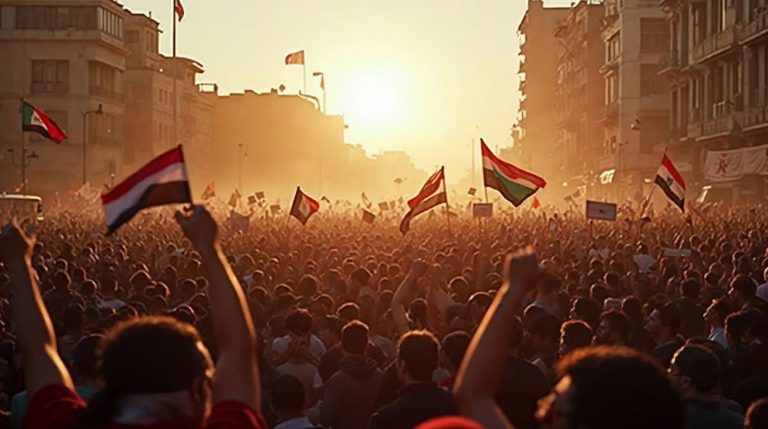
European nations, once the epicenters of vast empires, find themselves constantly dealing with the legacies of those times. Countries like Britain, France, and Spain wielded immense power across the globe, and the remnants of this past are impossible to ignore today. You can still see its fingerprints on language, culture, and politics within Europe. Take Britain, for example. Its imperial past profoundly influenced its decision to join – and later, leave – the European Union. The Brexit process was dotted with echoes of nostalgia for a perceived golden age of independence and might.
In fact, the yearning to reclaim sovereignty is often tied to historical pride, sometimes obscuring practical realities. The idea that a great nation should stand alone has been a compelling narrative, but as we’ve seen, it’s fraught with complexity and contradiction.
The Unresolved Business of Decolonization
Decolonization officially ended – or did it? While territories gained political freedom, many have argued that the processes were incomplete, leaving behind a tangle of social and economic issues. What’s striking is how these post-colonial dynamics continue to play out within Europe itself. This is not just about the former colonies but also about how Europe’s power dynamics have shifted internally.
For instance, consider the migration debates. Many immigrants hail from former colonies, bringing with them ties and tensions rooted in historical relationships. These communities often face challenges integrating into societies still grappling with their colonial histories. As noted by the BBC, Europe’s difficulty in reconciling with its imperial past is glaringly evident in public policy and political attitudes.
Wouldn’t it be ideal if historical wounds were merely academic concerns? Yet, every policy, every negotiation in the EU seems to whisper of these pasts that refuse to be forgotten.
Cultural Resilience and Resistance
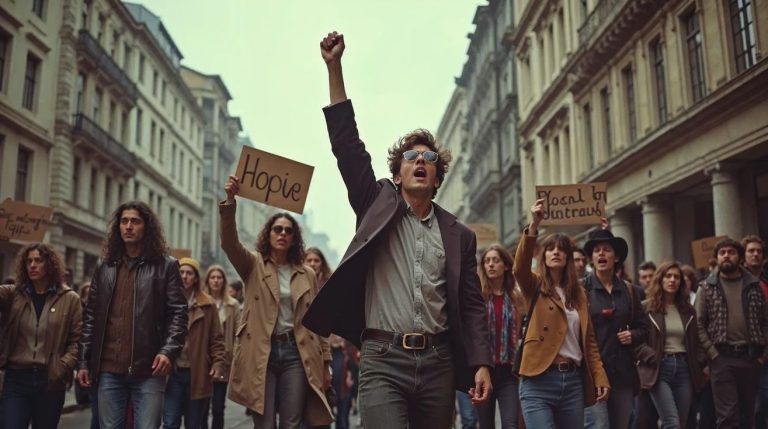
Culture has a funny way of persisting, stubbornly enduring long after political systems have changed. Poorly addressed legacy issues ignite cultural resistance movements, which are, at times, demanding acknowledgment and restitution for past grievances. Spain’s Catalonia region is a fascinating case of this cultural ripple effect. While not directly a colonial power in a traditional sense, the notion of regional identity plays into the larger European narrative of integration and resistance.
As cultural identity issues merge into political agendas, it’s not uncommon to see movements across Europe calling for greater autonomy or even independence. The European Union stands as a delicate balancing act, trying to accommodate a rich tapestry of cultures and histories. And honestly, it’s surprising — really surprising — how much these threads pull on the fabric of unity, especially when evaluated alongside modern political aspirations.
Unity through Diversity, or Just Diversity?
The very concept of “European integration” hinges on a delicate balance between unity and diversity. Can these nations, with their myriad tongues and tales, find common ground? Perhaps this is where the real challenge lies. According to a recent Guardian article, some experts argue that the EU’s strength comes from its ability to embrace both shared and disparate experiences. Yet, it’s easy to wonder: is this an attainable ideal, given the compounded histories?
A key to overcoming this challenge may be found in education and open dialogue. By fostering a deeper understanding of both Europe’s colonial past and its diverse present, maybe – just maybe – there’s hope for a more cohesive future.
In reflecting on the modern journey of the European Union, it’s clear that history is more than just a backdrop; it’s an active player on the stage of geopolitics. The imperial and decolonial ghosts may continue to haunt the EU, but they also offer lessons and opportunities for growth.
Isn’t it time we lean into these lessons, weaving a future that genuinely reflects our collective stories?
After all, what’s a better way to step forward than embracing and learning from the past? Keep the conversation going. Share your thoughts, history, and predictions with others. Let’s see where this discussion leads us next.