Why Cold War Propaganda Still Haunts Human Rights Legislation Today
In an age where the world seems both connected and fragmented all at once, the specter of Cold War propaganda still lingers, casting a shadow over the realm of human rights law. How did something so deeply rooted in history continue to influence modern legislation? It’s a fascinating tale of ideological battles and the unintended legacies they left behind.
The Echoes of a Bygone Era
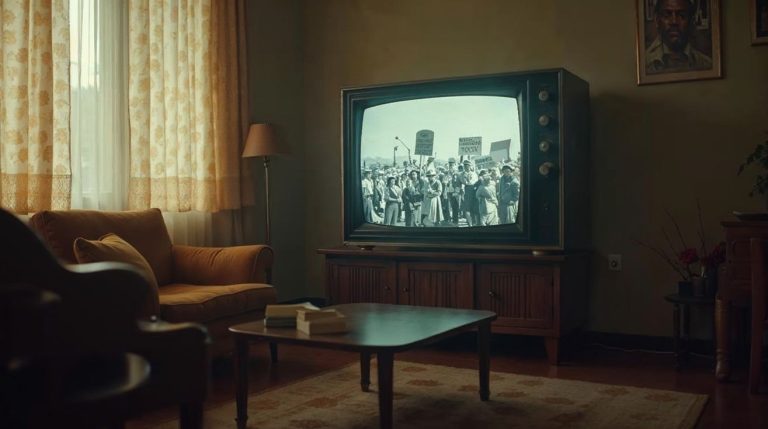
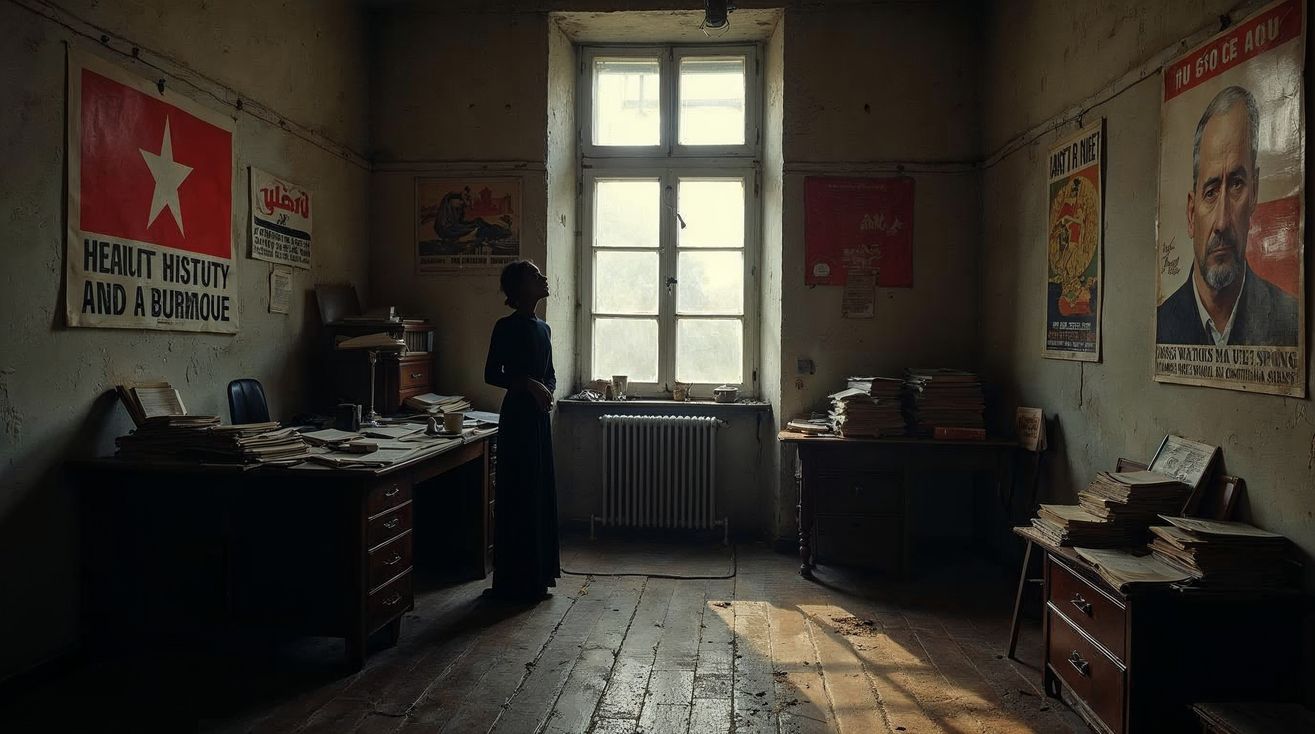
During the tense years of the Cold War, propaganda was a powerful tool, wielded skillfully by both the East and the West. It was more than just *smoke and mirrors*—it shaped perceptions, justified actions, and, at times, blurred the lines of truth itself. But here’s the twist: its echoes can still be heard today, subtly influencing the framework of human rights around the globe.
In a way, the Cold War gave rise to two dominant narratives. On one side, the West championed freedom and democracy. Meanwhile, the East heralded equality and unity. Each narrative painted a picture of the perfect society, but neither was free from the stain of propaganda.
Influence on Modern Legislation
So, how exactly has this decades-old ideological tug-of-war left its mark on today’s laws? Well, it’s an intricate web. The language, the focus, and even the priorities of modern human rights legislation can often be traced back to those old battles of rhetoric.
For example, the emphasis on individual freedoms found in many Western laws today—with *freedom of speech* often at the forefront—finds its roots in Cold War-era ideals. Yet, the focus on collective rights in various Eastern Bloc countries reflects the legacy of their own propaganda, which valued collective over the individual.
A report by the United Nations suggests that even today, legislation around the world struggles with this inherent tug-of-war, balancing individual rights with the needs of the community. And honestly, it’s surprising—really surprising—how these ideological vestiges continue to manifest in both expected and unexpected ways.
The Birth of Skepticism
One cannot overlook the deep-seated skepticism that Cold War propaganda instilled in people. In some regions, it’s the reason why government transparency and accountability have become such pressing issues. Citizens learned not to take things at face value, questioning motivations and demanding proof—a legacy of the suspicious era they lived through.
Interestingly enough, while skepticism can be a powerful tool for democracy, it’s often a *double-edged sword*. Some critics argue that it has led to a level of distrust in authority that makes enacting new human rights legislation somewhat of a murky battlefield. The result? A mixture of cynicism and activism, where populations are more informed yet more wary than ever.
Lessons from History
Is there a lesson to be learned here? Absolutely. The intertwining of past and present shows that *history isn’t just a series of events* that we leave behind. It’s an ongoing dialogue. As nations continue to develop their human rights laws, understanding the influence of Cold War narratives can be invaluable.
For lawmakers and citizens alike, it’s crucial to recognize these influences—both overt and subtle. By doing so, we can better craft legislation that truly serves today’s global community while acknowledging the complexities of our past. It’s a delicate dance, one that requires both *reflection and foresight*.
A Glimmer of Hope
Ultimately, while the lingering effects of Cold War propaganda might seem daunting, there is room for optimism. We have the chance to learn from the past, *adapt and grow*. Acknowledging where our laws come from helps us understand not just where we’re headed, but how we can shape our collective future for the better.
For a more in-depth look, this YouTube video dives into the historical nuances of how Cold War strategies have impacted modern policy-making.
As we navigate the complexities of human rights law, let’s commit to moving forward—by drawing both inspiration and cautionary tales from the past. In doing so, we preserve the hard-won strides towards a more just world and spark new ones for generations yet to come. Feel free to share your thoughts and engage in this ongoing dialogue, because it’s a conversation that’s far from over.