The Fall of the Berlin Wall and the Rise of Global Governance
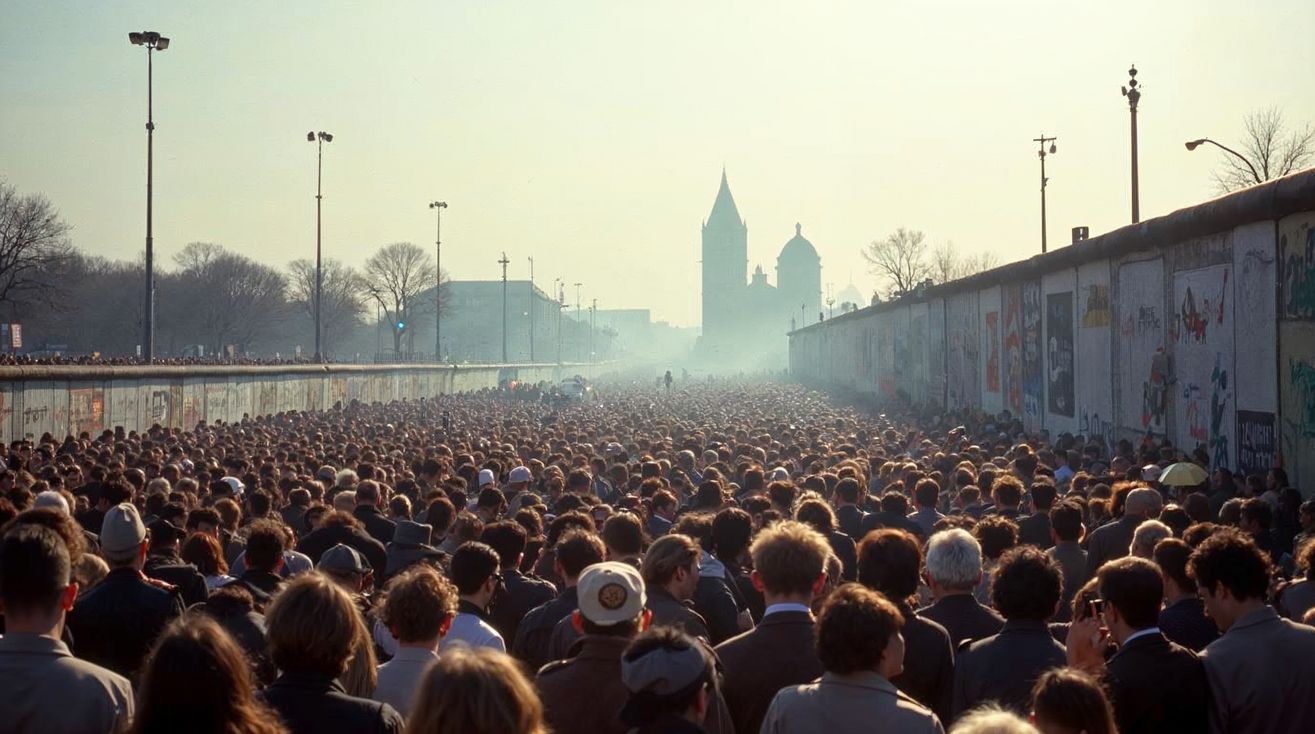
The fall of the Berlin Wall is a vivid reminder of the dramatic shifts that can shape our world, much like the evolving dynamics of global governance. It makes one ponder: How did this emblematic moment influence the political landscape we navigate today? We’ll explore the threads connecting these monumental changes.
The Ripple Effects of a Wall’s Demise
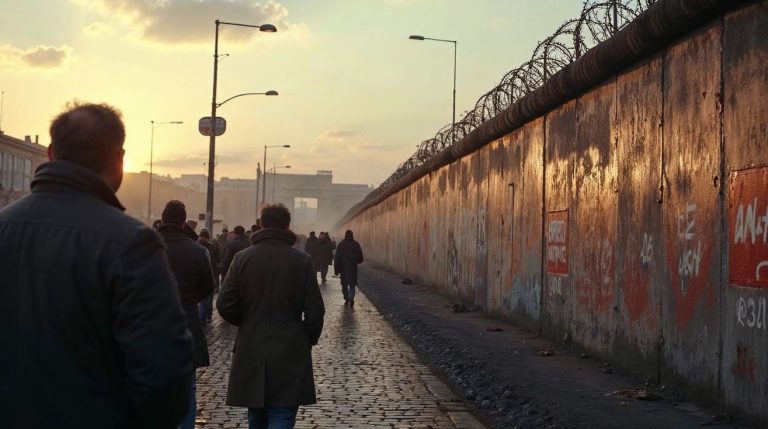
When Berliners witnessed the dismantling of that bleak concrete barrier in 1989, it sparked a wave of change far beyond Germany’s borders. This wasn’t just a physical wall coming down — it was a powerful harbinger of inevitable transformation. The fall set off a domino effect, fueling the end of the Cold War and reshaping global politics. It nudged us into a world where international cooperation, or the idea of it at least, began to flourish.
According to a New York Times article from 1990, the post-Wall period catalyzed new opportunities for democracy and capitalism. It created a fertile ground for debates on how nations should interact and operate on a global stage — a precursor to today’s complex web of global governance.
Reimagining Global Governance
With the rise of less rigid borders and more interconnected societies, what is the role of governance? Experts argue that while we aren’t seeing a fully unified global government, the framework of global governance embodies cooperative efforts to solve common problems. It tackles everything from trade disputes to climate change, encompassing a multitude of issues that cross national boundaries.
The World Economic Forum often highlights how collective decision-making, albeit complicated, remains crucial. Leaders gather to deliberate on policies aiming to balance national interests with global needs, which sometimes is akin to walking a tightrope — precarious yet essential.
Challenges on the Global Stage
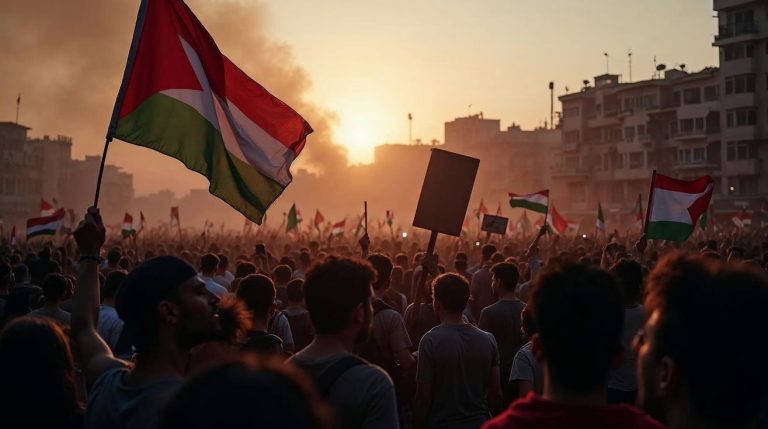
But let’s pause for a moment. Is global governance really the unifying force we hope for? Or does it struggle under the weight of diverse, sometimes conflicting national priorities? The answer isn’t straightforward. On one hand, there’s the monumental UN’s Sustainable Development Goals offering a shared vision for the future, yet on the other, we often witness political gridlock and the rise of nationalism.
A diplomat from a major international organization was quoted as saying, “Global governance is an ongoing experiment. We’re all learning and adjusting,” which reflects the continuous ebb and flow in this arena.
Adding to this complexity, technology and social media now influence governance profoundly. A tweet today can ripple across borders in seconds, challenging how quickly international structures can respond. This dynamic nature creates an environment where governance has to be agile, constantly evolving to address new realities without losing sight of earlier commitments.
A Future of Collaboration and Conflict
Looking forward, the interplay between collaboration and conflict will likely define the future landscape of global governance. The path isn’t clear, or easy, but it’s undeniably charged with potential. Whether addressing environmental threats or socioeconomic disparities, global governance holds the promise of fostering cooperative solutions — if we can navigate its intricacies wisely.
Here’s where public engagement becomes pivotal, inviting individuals worldwide to partake in this evolving narrative. Dive deeper into how these global shifts affect you personally. Stay informed, lend your voice, and be part of shaping a future where societies stand stronger together. And while the questions might outnumber the answers now, it’s this joint exploration that fuels progress. Together, we adapt, and — who knows? — maybe build new bridges in places we never imagined.
So, what do you think? Is the world on the verge of a new era in governance, or caught in its own web of complications? Your thoughts could be part of the new direction for our global community.