Why The Global Financial Crisis Still Affects Migration Policy Today
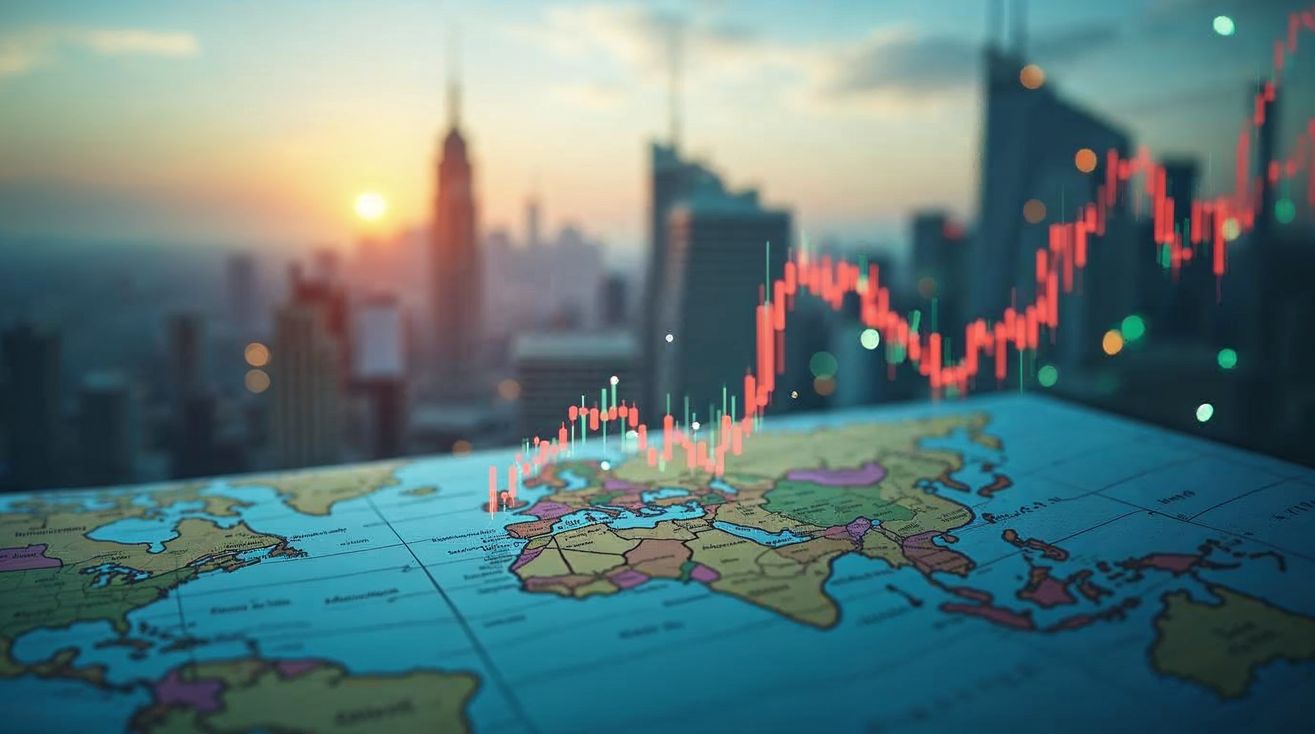
When we talk about migration policies today, it’s almost impossible to ignore the shadows of the global financial crisis that still linger, casting unexpectedly long silhouettes across borders and policies. It’s a tale of intertwined finances and unforeseen human movements, a story still unfolding with surprising twists.
The Inescapable Past
The financial crisis of 2007-2008 didn’t just shake Wall Street; it created ripples that reached far beyond, swaying migration policies globally. Countries grappled with economic chaos, and suddenly, migration became a blurred line in the sand, rather than a well-trodden path. But why does this past event remain so significant in shaping today’s approaches? Well, it circles back to an economic term—fiscal prudence. Nations, reeling from financial strain, became intensely cautious, and migration was one arena where this prudence played out visibly.
A Shift in Economic Priorities
Governments started to view immigration through the lens of economic survival. Jobs were scarce, economies fragile, and the idea of a fresh influx of people often stirred public anxiety. The narrative primarily fixated on protecting domestic job markets, and this has not faded with time. Alarming? Perhaps. But it’s a sentiment that many still hold.
A 2019 report from the International Monetary Fund (IMF) showcased how financial uncertainty continues to skew political incentives around migration. Economies that faltered during the crisis are often those tightening their migration policies today. It’s almost as if, despite recovery, the fear of a collapsed economy still whispers warnings from the past.
Cultural and Social Ripples
But it wasn’t just economics that felt the impact. Social dynamics took a hit too—an aspect that sometimes goes unnoticed, yet it’s pivotal. The financial crisis triggered a wave of nationalism in several countries. As economies staggered, a minority saw immigrants as scapegoats for strained resources. An unfair burden, no doubt, but a reality that sculpted many nations’ migration attitudes.
Research by the Pew Research Center highlights an increase in nationalistic sentiments during economic downturns. Clearly, sociocultural factors, tethered tightly to economic stability, heavily influence public opinion on migration.
Technology: The New Player
Fast forward to today, and technology has jumped into the fray—bringing both challenges and opportunities. Digital tools and social media have reshaped migration—a somewhat mixed blessing. On one hand, tech bridges continents, offering real-time updates to migrants far from home. On the other, it spreads misinformation, fueling fears about migration on a global scale.
A thought-provoking video explains it all better (worth a watch, really):
So, how does technology change the game? For one, it enables quicker processing of applications, making migration more feasible for many. Yet, it also amplifies the very misconceptions that harden policies.
A Present Defined by the Past
Though we are well over a decade past the initial shockwaves of the financial crisis, its effects stubbornly persist. Migration today is undoubtedly shaped by a history of economic tumult and the subsequent recovery, light as a feather yet heavy as a heart.
Countries continue to dance delicately between the needs of their economy and the pressure of international humanitarian obligations. It’s a balancing act played on a global stage, constantly adapting yet forever haunted by echoes of the past.
In the end, it beckons us to consider: how do we move forward, knowing our past intricately ties to the policies of tomorrow?
As we contemplate this very question, remember—your voice matters in shaping the future. Stay informed, share stories, and engage in discussions. After all, migration isn’t just about policy; it’s deeply human, imperfect, and fascinatingly complex.